A furnace that blasts hot air for a few minutes, shuts off, and repeats can make a home feel uneven even when the thermostat says everything is fine. When comparing a variable speed versus single stage furnace, the right answer depends on more than the equipment price. Your home’s ductwork, insulation, comfort expectations, and how you heat your home in Clark County all matter.
For homeowners in Washougal, Vancouver, and surrounding Southwest Washington communities, the decision often comes down to whether a lower upfront cost or more consistent comfort makes better long-term sense. Both furnace types can provide reliable heat when properly sized and installed. The differences are in how they deliver it.
Variable Speed Versus Single Stage Furnace: The Key Difference
A single-stage furnace operates at one heating output. When the thermostat calls for heat, the burners turn on at full capacity. Once the thermostat reaches its set temperature, the furnace shuts off. It is a straightforward design that has served homes well for decades.
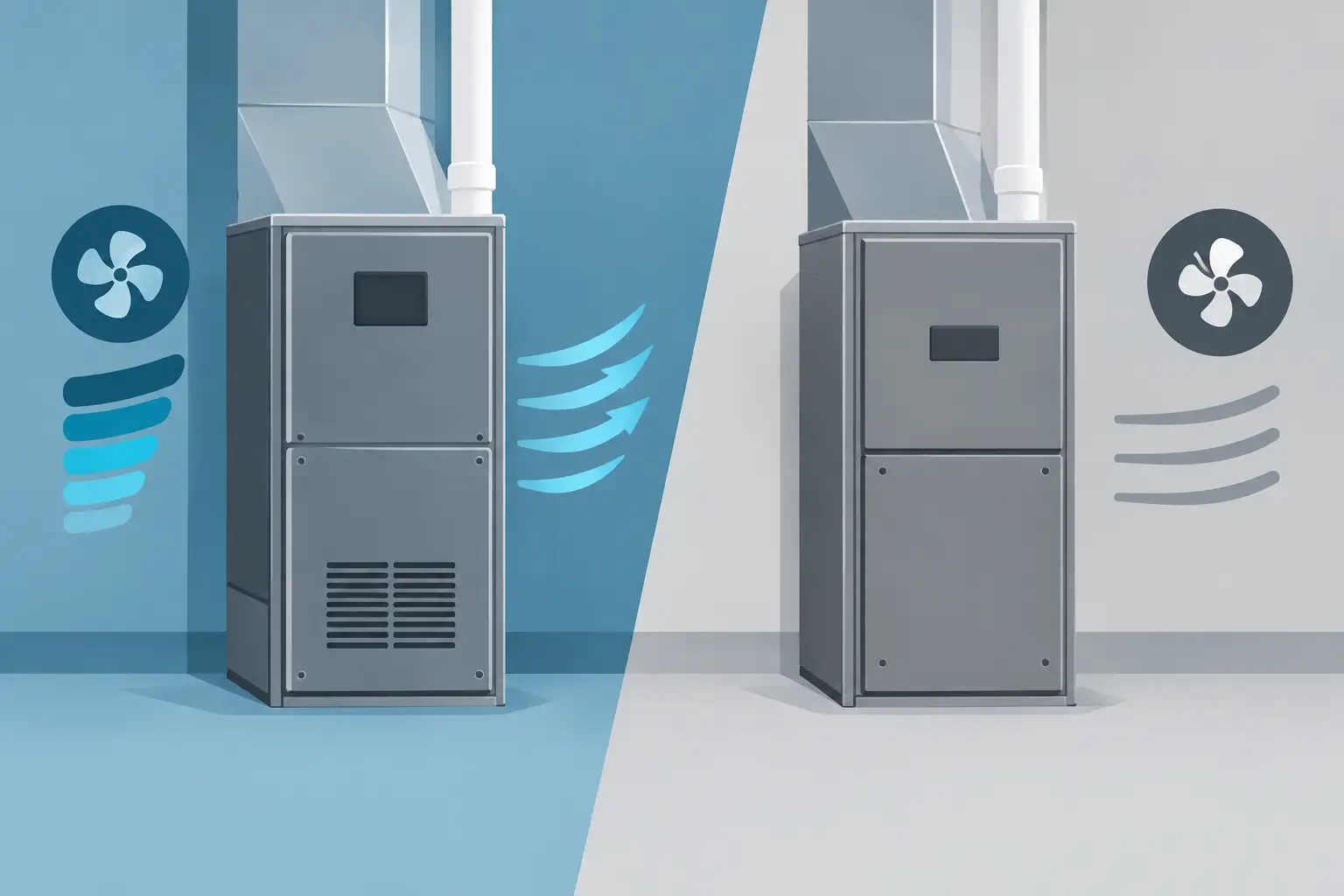
A variable-speed furnace refers to the blower motor, not necessarily the gas burners. Instead of running at one fixed speed, the blower can adjust its airflow gradually. It may start slowly, run longer at a lower speed, and continue circulating air after the burners turn off. This creates a more controlled heating cycle.
That distinction matters because a furnace can have a variable-speed blower and still have single-stage gas heat. It can also be paired with two-stage or modulating heating. When evaluating equipment, ask whether you are comparing blower performance, heating stages, or both. A trusted HVAC company should explain the full system clearly rather than relying on a label alone.
How a Single-Stage Furnace Performs
A single-stage furnace is often the practical choice for homeowners who need dependable heat with a lower initial investment. It runs at full output whenever it operates, which means it can bring indoor temperatures up quickly during a cold spell.
The trade-off is that full-capacity operation can lead to more noticeable temperature swings. A room may feel warm immediately after a heating cycle, then gradually cool before the next cycle begins. The blower can also feel more noticeable because it starts and stops at a fixed speed.
That does not make a single-stage furnace a poor choice. In a smaller, well-insulated home with a simple duct system, its performance can be entirely satisfactory. It is also usually easier on a replacement budget, making it a sensible option when an older furnace fails unexpectedly.
Single-stage equipment can be especially appropriate when the existing system has limited duct capacity. Moving more air is not automatically better if ducts are undersized, poorly sealed, or poorly balanced. Proper installation and airflow testing are still essential to reliable operation.
What a Variable-Speed Blower Changes
A variable-speed blower is designed to move air more gradually and precisely. Rather than turning on with a rush of air, it can ramp up smoothly. It can also run longer at lower speeds, helping mix air throughout the home.
The most noticeable benefit is often comfort. Longer, gentler cycles can reduce hot and cold spots between rooms. Bedrooms at the end of a duct run, upstairs spaces, and areas with large windows may feel more consistent when airflow is managed well.
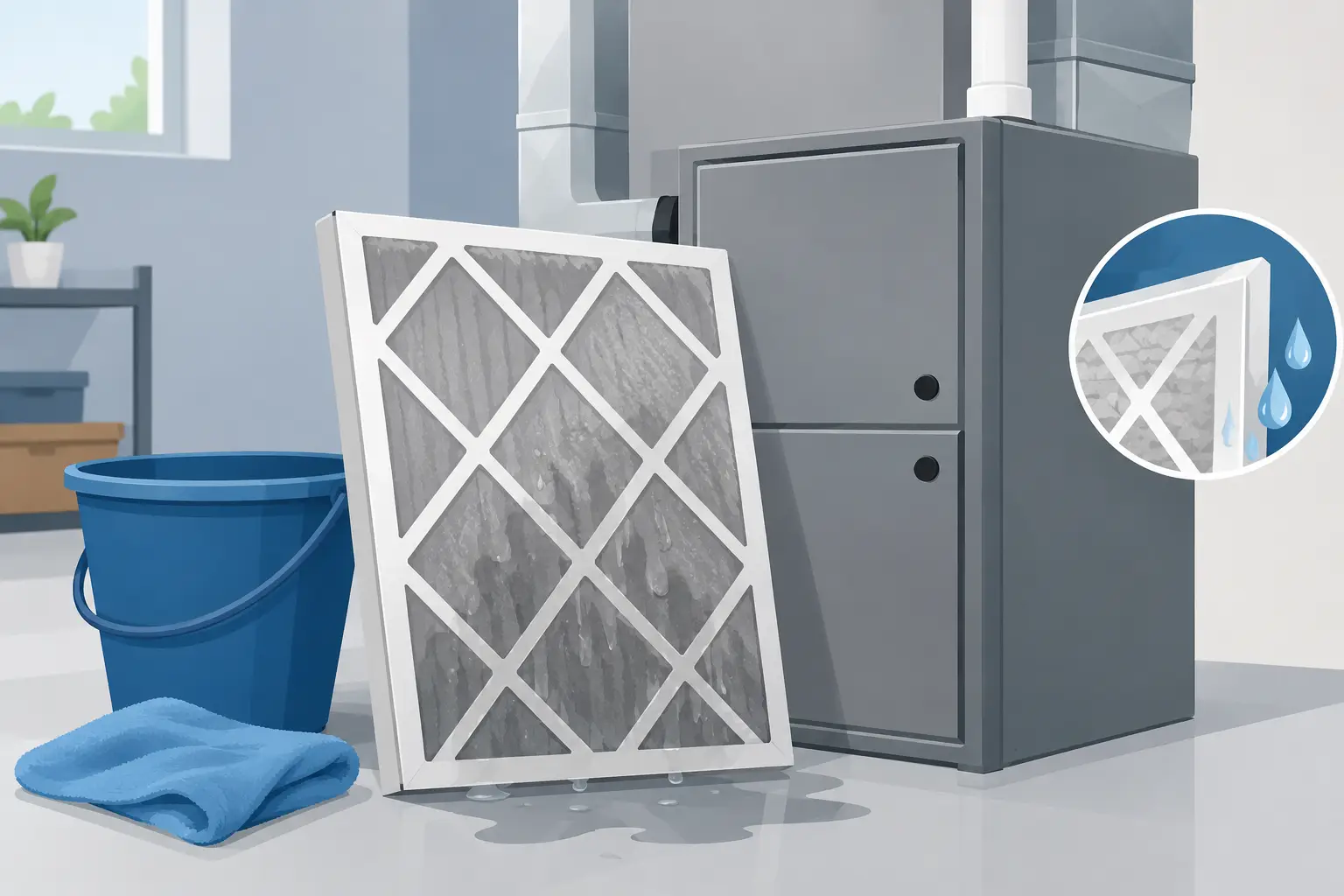
Variable-speed blowers can also improve filtration. Because the system may circulate air for longer periods, more air passes through the filter. This can help with dust and airborne particles, provided the filter is changed on schedule and the system is set up correctly. A restrictive filter that is not matched to the system can create airflow problems, so more filtration is not always better.
For homes with central air conditioning, a variable-speed blower can add value during cooling season, too. Slower airflow across the indoor coil can support better moisture removal in appropriate conditions. While Clark County summers are generally milder than many parts of the country, indoor humidity and cooling comfort can still matter during warm periods.
Efficiency Is More Than an AFUE Rating
It is easy to assume variable speed automatically means dramatically lower heating bills. The reality is more nuanced. A furnace’s AFUE rating measures how efficiently it converts fuel into heat. A high-efficiency single-stage furnace may have an excellent AFUE rating, while a variable-speed blower mainly reduces electricity used to move air and improves comfort.
The best efficiency gains often come from selecting the correct furnace size, sealing duct leaks, maintaining proper airflow, and choosing an AFUE rating that fits your budget and fuel use. An oversized furnace can heat a home quickly but cycle too often, reducing comfort and increasing wear. A correctly sized unit can run more steadily and effectively.
A variable-speed blower may use less electricity than an older standard blower motor, particularly when it runs at low speed for circulation. Still, savings vary by household. If your main concern is fuel cost, compare the furnace’s AFUE rating and heating stages alongside the blower type.
Upfront Cost, Repair Costs, and Long-Term Value
Single-stage furnaces usually cost less to purchase and install than models with variable-speed blowers and advanced controls. Their simpler design can also mean fewer high-tech components. For a rental property, a starter home, or a homeowner facing an urgent replacement, that lower cost can be a major advantage.
Variable-speed equipment generally costs more upfront. The blower motor and control systems are more sophisticated, and repairs may cost more if an electronic component fails outside the warranty period. The added expense may be worthwhile for a household that values quieter operation, more even temperatures, improved air circulation, or better performance with a matched air conditioner or heat pump.
The right financial question is not simply, “Which furnace is cheapest?” It is, “Which system delivers the comfort and operating value we expect over its service life?” A system that costs less but leaves persistent comfort problems unresolved may not feel like the better investment.
Your Home Can Determine the Better Choice
Before recommending a furnace, an HVAC professional should look beyond the old unit’s size and model number. Installing the same capacity as the equipment being replaced is not always correct. Home improvements, insulation changes, window upgrades, additions, and duct modifications can all change heating needs.
A professional load calculation helps determine the right capacity for the home. Ductwork should also be evaluated for leakage, restrictions, and proper return-air capacity. Variable-speed equipment can adapt to some airflow changes, but it cannot correct major duct design problems by itself.
For local commercial spaces, the same principle applies. A small office, retail space, or managed property may benefit from quiet, steady airflow, but the system must be selected around occupancy, layout, ventilation needs, and operating hours. Equipment features should follow the building’s needs, not the other way around.
When Each Furnace Type Makes Sense
A single-stage furnace is often a strong fit when budget is the primary factor, the home is compact and well-balanced, and the existing duct system is in good condition. It can provide dependable, straightforward heating without paying for features you may not notice.
A variable-speed blower may be a better fit when your home has uneven temperatures, you want lower blower noise, you use central cooling, or you spend a great deal of time at home and value steady comfort. It can also be a practical addition to a two-stage or modulating furnace, where the blower and heating output work together for longer, lower-output cycles.
Neither choice should be made based on one feature alone. A high-quality installation, proper commissioning, and regular furnace maintenance will affect performance every winter. Even the best equipment cannot compensate for incorrect sizing or neglected service.
If your furnace is noisy, short-cycling, struggling to keep rooms even, or nearing the end of its useful life, Creekside HVAC can help you compare reliable HVAC solutions for your property. A clear equipment recommendation should account for your home, your comfort concerns, and your budget, so the heat feels dependable when Southwest Washington weather turns cold.