A cold, damp Clark County morning is a poor time to find out your furnace is short-cycling, your heat pump is blowing cool air, or a clogged filter has restricted airflow. Knowing how to prepare HVAC for winter gives you time to address small issues before they become a no-heat call during the first sustained cold stretch.
Southwest Washington winters are not always extreme, but the combination of rain, humidity, and changing temperatures puts steady demand on heating equipment. A little seasonal attention can improve comfort, help manage energy use, and give homeowners and property managers a clearer picture of their system's condition.
How to Prepare HVAC for Winter Before Cold Weather Arrives
Winter HVAC preparation starts with the equipment you can safely check yourself, then moves to professional service for the parts that require testing, cleaning, and adjustment. The goal is not to take apart your furnace or heat pump. It is to ensure the system can move air properly, operate safely, and respond when you need heat.
If your system has already shown warning signs, schedule service before relying on it every day. Strange sounds, uneven room temperatures, frequent cycling, rising utility bills, and delayed starts are all worth addressing early. Heating equipment rarely becomes more reliable by being pushed through a full winter without attention.
Replace the air filter
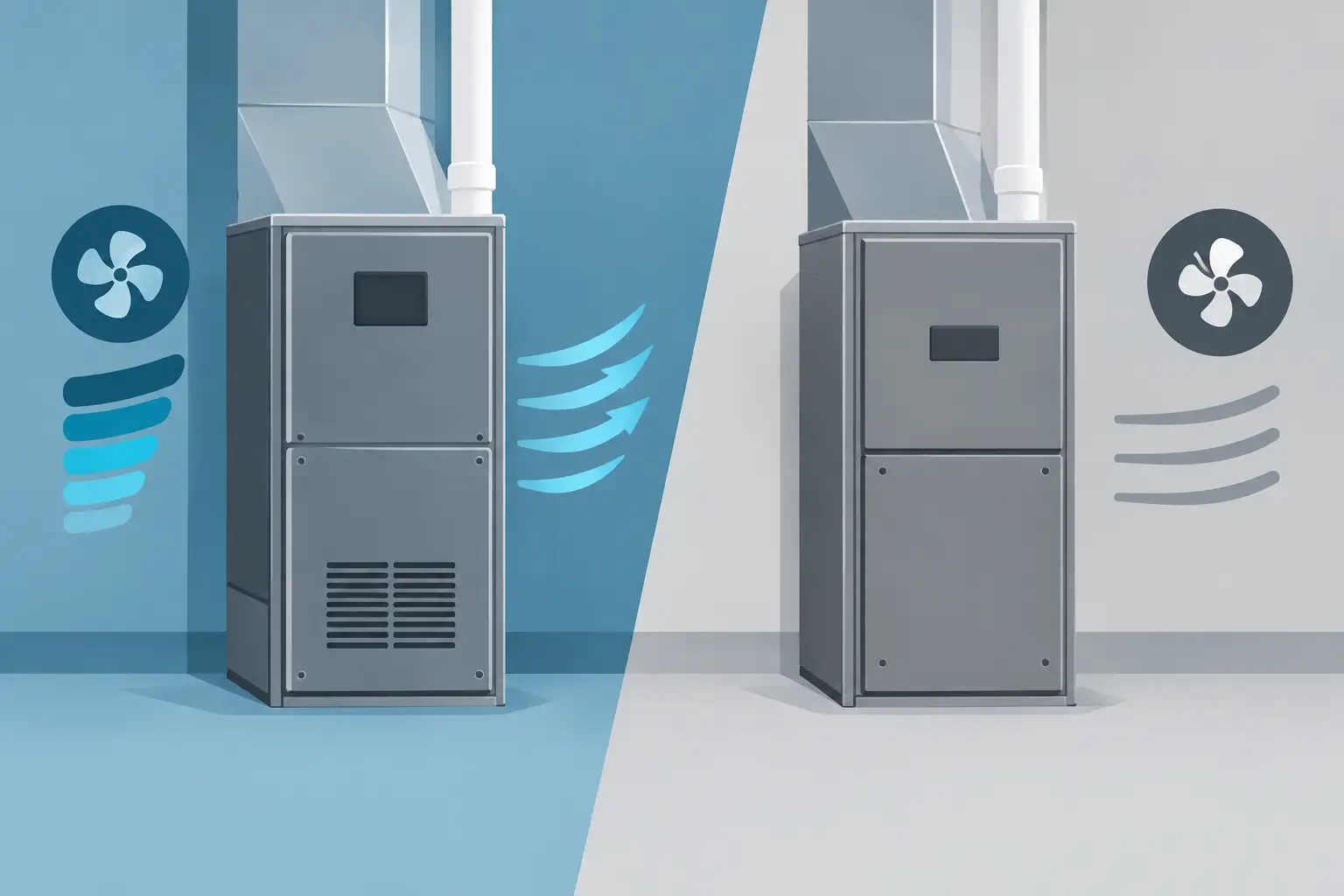
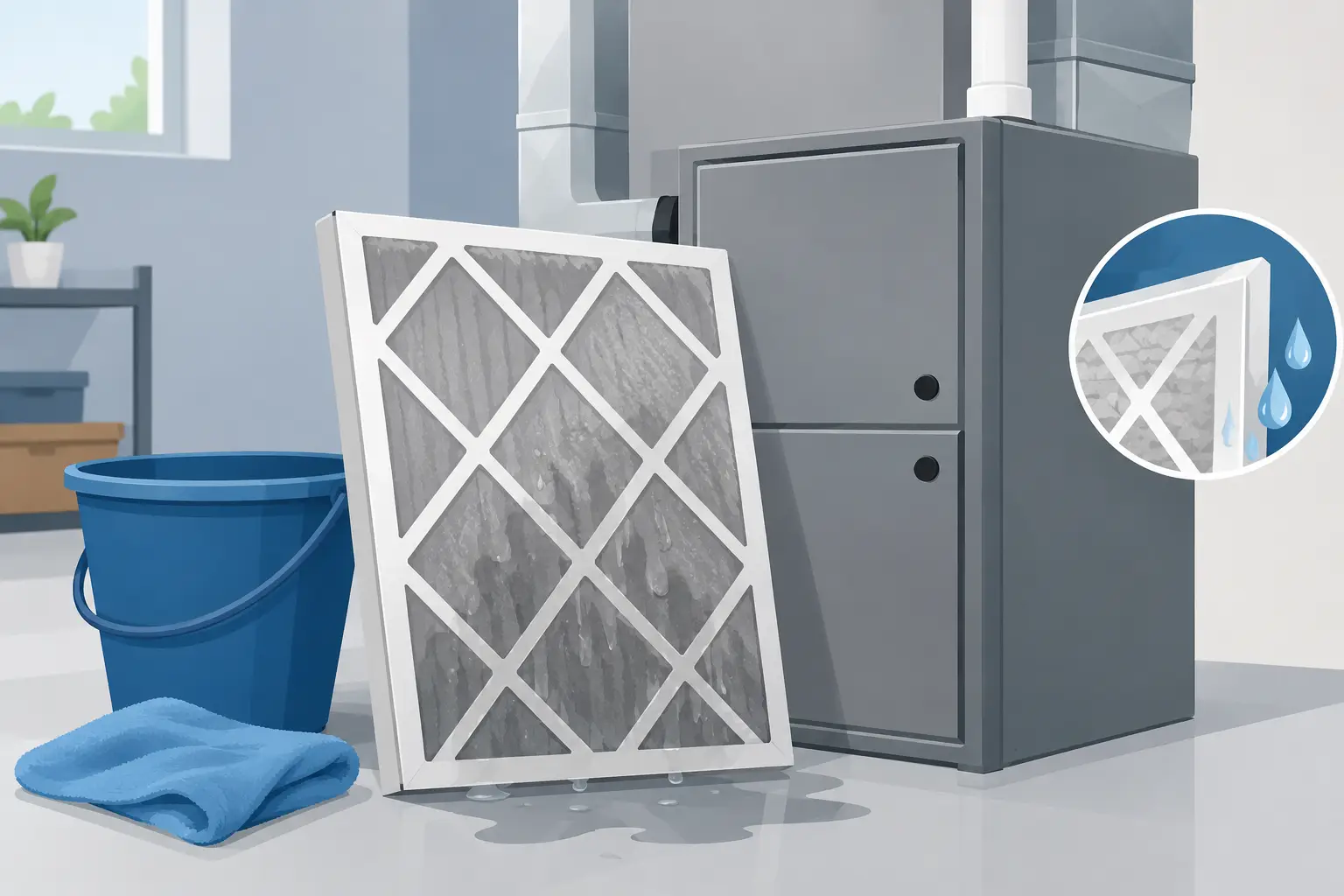
A clean air filter is one of the simplest and most valuable winter maintenance steps. When a filter is loaded with dust, pet hair, or debris, the blower must work harder to move air through the system. Restricted airflow can reduce comfort, contribute to overheating in a furnace, and make a heat pump run longer than necessary.
Check the filter size printed on the existing filter or cabinet door, then install the correct replacement in the direction of the airflow arrow. Standard one-inch filters often need replacement every one to three months, while thicker media filters may have a longer service interval. The right schedule depends on pets, household size, construction dust, and how often the system runs.
Avoid assuming the most restrictive filter is always best. Very high-efficiency filters can create airflow problems if the system was not designed for them. If you are unsure which filter rating fits your equipment, ask an HVAC professional during a maintenance visit.
Clear supply vents, return grilles, and outdoor equipment
Walk through the building and make sure supply vents and return grilles are open and unobstructed. Furniture, rugs, curtains, boxes, and closed interior doors can interfere with air circulation. Closing a vent in an unused room may seem like a way to save energy, but it can raise system pressure and create uneven temperatures elsewhere.
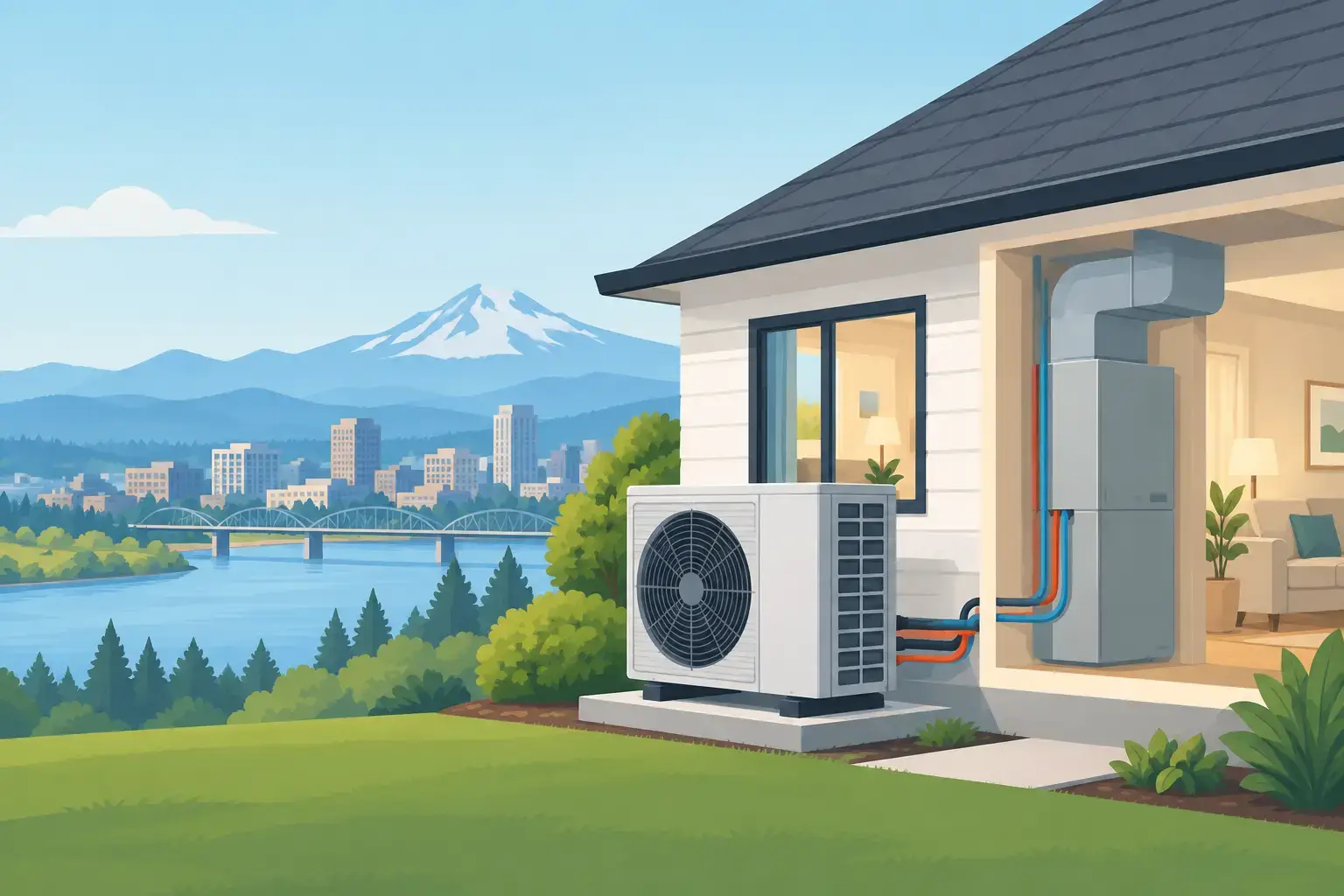
For heat pump systems, inspect the outdoor unit after leaves begin to fall. Remove leaves, loose debris, and vegetation around the unit while keeping your hands clear of the coil and fan. Maintain open space around it so the unit can draw and discharge air freely. Do not cover an operating heat pump tightly for the winter. It needs airflow during heating season, and covers can trap moisture or interfere with operation.
A gas furnace does not have an outdoor condenser operating in winter, but its air conditioner condenser should still be kept free from debris. A breathable, properly fitted top cover may be appropriate when the cooling system is dormant, but it depends on the equipment and site conditions.
Test the thermostat before you depend on it
Set the thermostat a few degrees above the current indoor temperature and listen for the heating system to start. Warm air should begin arriving at the vents after a short delay. For heat pumps, the air from vents may feel less hot than furnace air, but it should still raise the indoor temperature steadily.
Replace weak thermostat batteries if applicable and confirm the clock, schedule, and heat settings are correct. If you have a programmable or smart thermostat, use a realistic winter schedule. Aggressive temperature setbacks can be less effective for some heat pump systems because recovering several degrees may trigger auxiliary heat. A smaller setback may be the better balance between savings and comfort.
Schedule Professional Furnace or Heat Pump Service
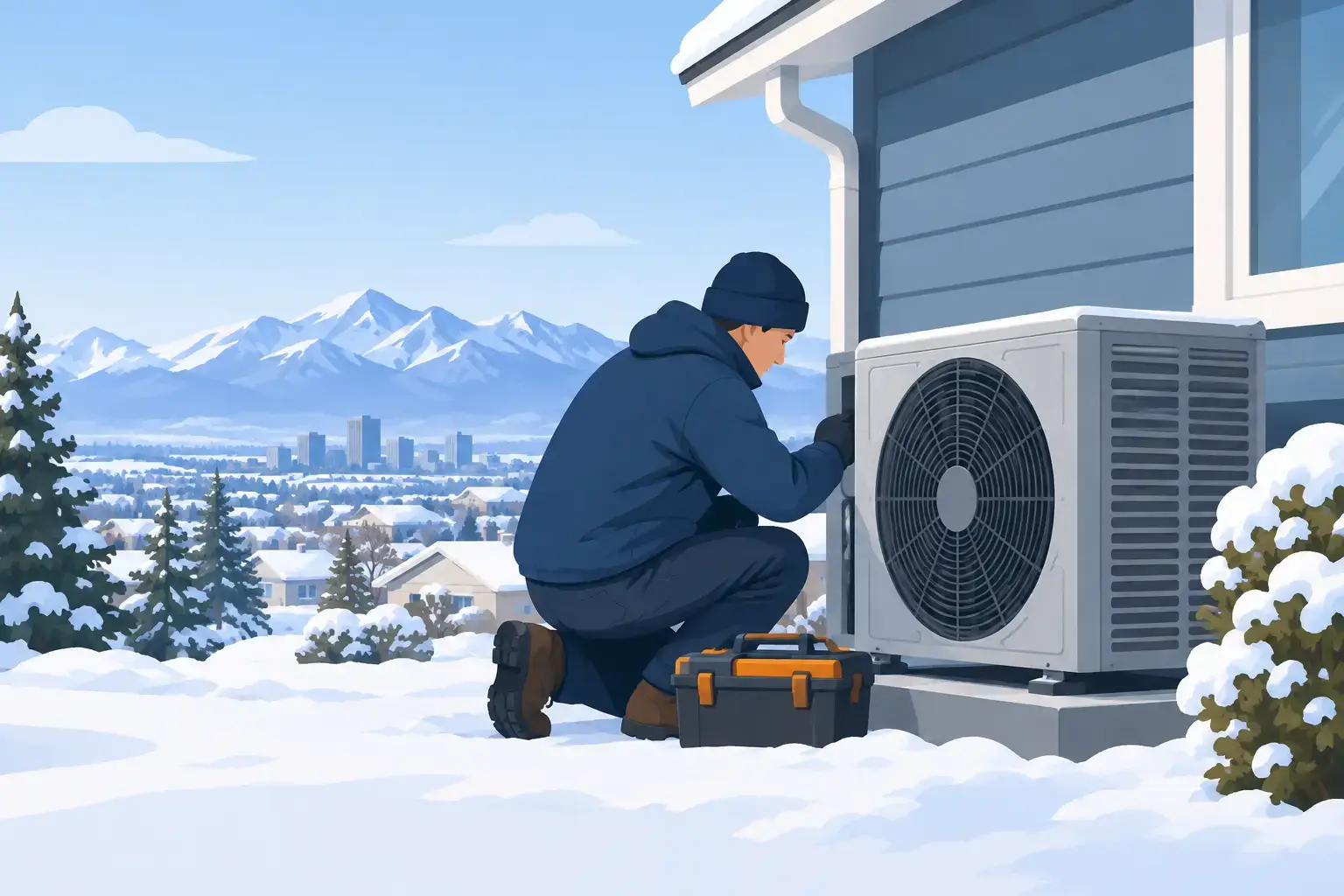
Seasonal maintenance is where a trained technician can identify conditions that are not visible from the thermostat or a floor register. A professional heating check typically includes inspection of electrical connections, controls, blower performance, safety components, condensate drainage, and overall operation. The exact work depends on whether you have a gas furnace, electric furnace, heat pump, ductless system, or a combined system.
For a gas furnace, service should include attention to combustion and venting components. The technician may inspect the burner assembly, flame sensor, heat exchanger condition, igniter, gas connections, and carbon monoxide safety concerns. These are not homeowner maintenance tasks. Safe operation matters as much as warm air.
For a heat pump, maintenance can include checking refrigerant-related performance indicators, defrost operation, electrical components, indoor and outdoor coils, and auxiliary heat. Heat pumps work efficiently in the Pacific Northwest, but they need to be operating correctly to handle chilly, wet weather. A heat pump that struggles to defrost or runs constantly deserves prompt evaluation.
Older equipment may need repairs before winter, while a newer system may only need routine maintenance. The right choice depends on the equipment's age, repair history, efficiency, and the nature of the problem. Replacing a system solely because it is old is not always necessary, but repeated breakdowns or major component failures can make a furnace installation or heat-pump replacement the more practical long-term option.
Check the Home for Heat Loss and Safety Risks
Your HVAC system cannot solve every comfort problem on its own. Drafts, leaky ductwork, weak insulation, and unsealed gaps around windows or doors can make rooms feel cold even when the heater is running correctly.
Start with obvious air leaks around exterior doors, attic hatches, windows, and utility penetrations. Weatherstripping and door sweeps can reduce drafts in many homes. If one room remains persistently colder than the rest of the house, the cause may be insulation, duct layout, airflow balance, or a problem with the heating equipment. A professional assessment helps separate an HVAC issue from a building-envelope issue.
If your home has accessible ductwork in an attic, crawl space, or garage, look for disconnected sections, crushed flex duct, and loose insulation. Do not use standard cloth duct tape for repairs. It often fails under temperature changes. Duct sealing materials and repairs should be selected for HVAC use.
Every home with fuel-burning equipment should also have working carbon monoxide alarms. Test alarms according to the manufacturer instructions and replace batteries where required. Carbon monoxide alarms do not replace furnace maintenance, but they are an essential layer of household safety.
Know Which Winter HVAC Signs Need a Service Call
Some heating problems should not wait for a convenient appointment. Turn off the system and seek qualified help if you smell gas, notice burning odors that do not fade after initial seasonal use, see soot around a furnace, or have a carbon monoxide alarm activate. If you smell gas, leave the area and follow your gas utility's safety instructions.
Other issues may not be emergencies, but they should be checked before cold weather deepens. Call for heating repair when the system blows cold air, trips breakers, makes grinding or banging sounds, cycles on and off repeatedly, leaks water, or cannot maintain the thermostat setting. For a heat pump, light frost can be normal, but a unit encased in ice or unable to complete a defrost cycle is not.
Small business operators and property managers should apply the same approach across each occupied space. A heating failure affects tenants, employees, customers, inventory, and daily operations. Maintaining filters, documenting service history, and addressing comfort complaints early can prevent a minor issue from becoming a disruptive winter shutdown.
Make Winter Comfort Easier to Manage
After maintenance is complete, pay attention to how the system performs during the first few cold weeks. Note rooms that run too warm or cool, unusual sounds, longer run times, and changes in your energy bill. Those details give a service technician useful information if an adjustment or repair is needed.
Creekside HVAC provides expert heating and cooling services for homeowners, property managers, and local businesses in Washougal, Vancouver, and throughout Clark County. Reliable heat starts with timely attention, especially before a small concern has the chance to become the problem that interrupts your winter morning.