A furnace that still produces heat is not always the best reason to keep it. If utility bills are climbing, some rooms stay cold, or your air conditioner struggles during summer heat, heat pump retrofits may be a practical way to improve year-round comfort without treating every problem as an emergency replacement.
For homeowners and property managers in Washougal, Vancouver, and throughout Clark County, the right answer depends on the building, existing equipment, electrical capacity, and how the system performs in Pacific Northwest weather. A careful evaluation matters more than choosing equipment based on a single efficiency number.
What Heat Pump Retrofits Mean for Your Home
A heat pump retrofit means adding or replacing heating and cooling equipment in an existing home or commercial space. Rather than generating heat by burning fuel, a heat pump transfers heat from outdoor air indoors during the heating season. In summer, it reverses operation to provide air conditioning.
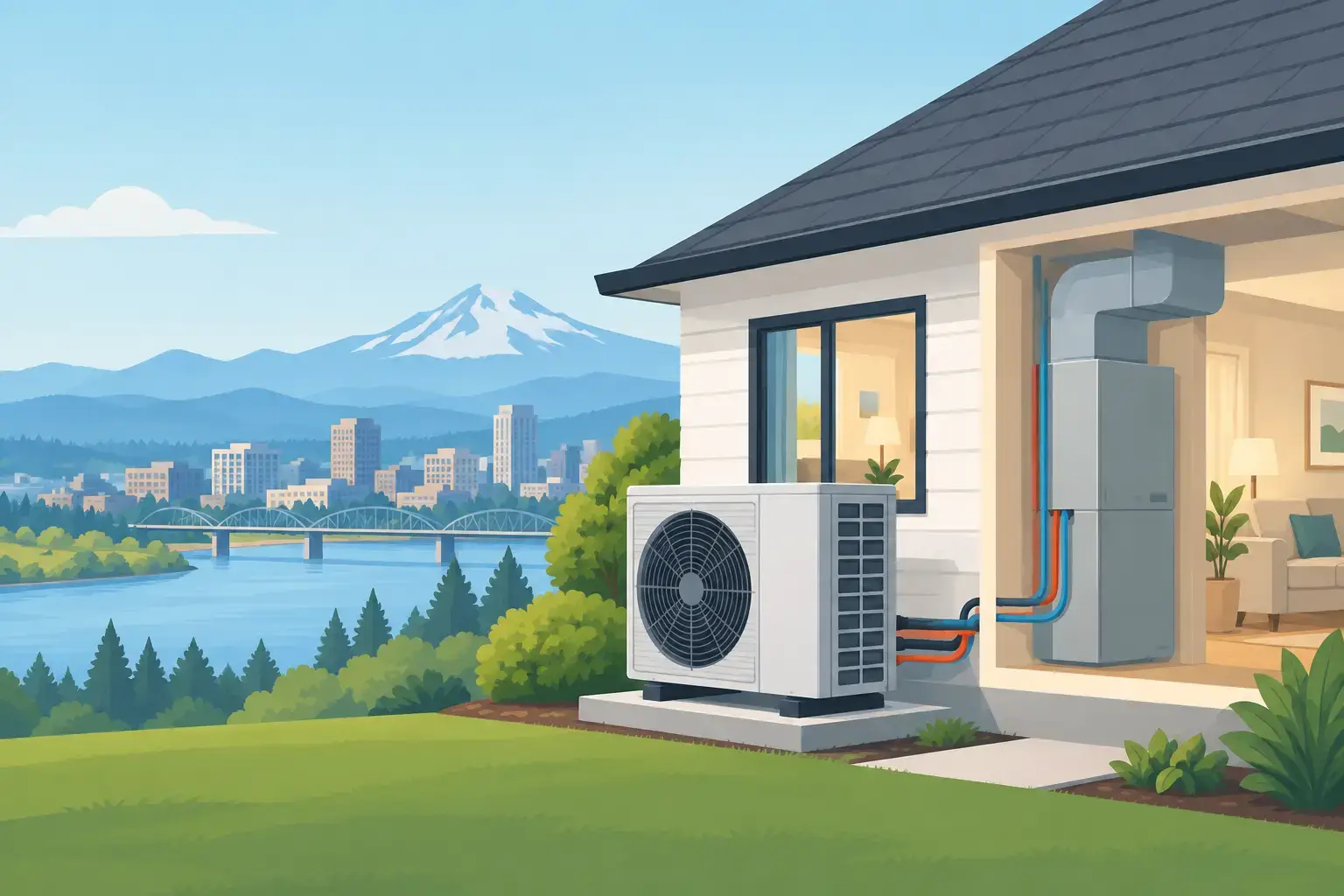
The retrofit can take several forms. In many homes, it means replacing an older central air conditioner and furnace with a ducted heat pump system. In others, a heat pump is installed alongside a gas furnace, creating a dual-fuel setup. Homes without usable ductwork may be better suited to ductless indoor units placed in the rooms that need conditioning most.
A retrofit is not simply setting a new outdoor unit next to the old one. Proper installation may involve evaluating ducts, refrigerant lines, thermostat controls, condensate drainage, insulation, and the electrical service. Those details determine whether the equipment delivers the comfort and operating costs you expect.
When a Heat Pump Retrofit Makes Sense
The clearest time to consider a retrofit is when major equipment is nearing the end of its service life. An aging furnace and air conditioner can be replaced together with one coordinated system, avoiding the expense of installing new cooling equipment now and revisiting the heating side a few years later.
It can also make sense when comfort is inconsistent. Bedrooms over the garage, upper floors, additions, and rooms with large windows often reveal limitations in older systems. A heat pump will not correct poor insulation or undersized ductwork by itself, but it can be part of a plan that addresses those issues.
Rising repair costs are another signal. One repair does not always justify replacement, especially if the unit is relatively new and otherwise reliable. But frequent breakdowns, outdated refrigerant, major compressor problems, or a furnace heat exchanger concern can change the repair-versus-replacement calculation quickly.
For local businesses and rental properties, predictable operation can be as important as energy use. Replacing equipment on a planned schedule is often less disruptive than waiting for a failed furnace or air conditioner during a weather extreme.
The Pacific Northwest Climate Advantage
Southwest Washington has a moderate climate that suits modern heat pump technology well. Winters are cool and wet rather than consistently severe, while summers can still bring periods when dependable air conditioning matters. A properly selected heat pump provides both heating and cooling in one system.
That does not mean every heat pump is identical. Cold-weather performance, capacity at lower outdoor temperatures, sound levels, and controls vary by model. A contractor should match the equipment to the home and the homeowner's priorities instead of recommending a one-size-fits-all replacement.
Choosing Between Ducted, Ductless, and Dual-Fuel Systems
Existing ductwork often shapes the retrofit decision. If ducts are in good condition, correctly sized, and reasonably sealed, a central ducted heat pump can use that distribution system. Before installation, the ducts should be inspected for leakage, restricted airflow, damaged sections, and return-air problems. A high-efficiency outdoor unit cannot overcome poor airflow indoors.
Ductless heat pumps are often a strong option for older homes, converted garages, additions, and spaces where adding ductwork would be difficult. Indoor wall-mounted or ceiling-mounted units can condition targeted areas efficiently. The trade-off is that comfort is more localized, and multiple indoor units may be needed for a whole-home solution.
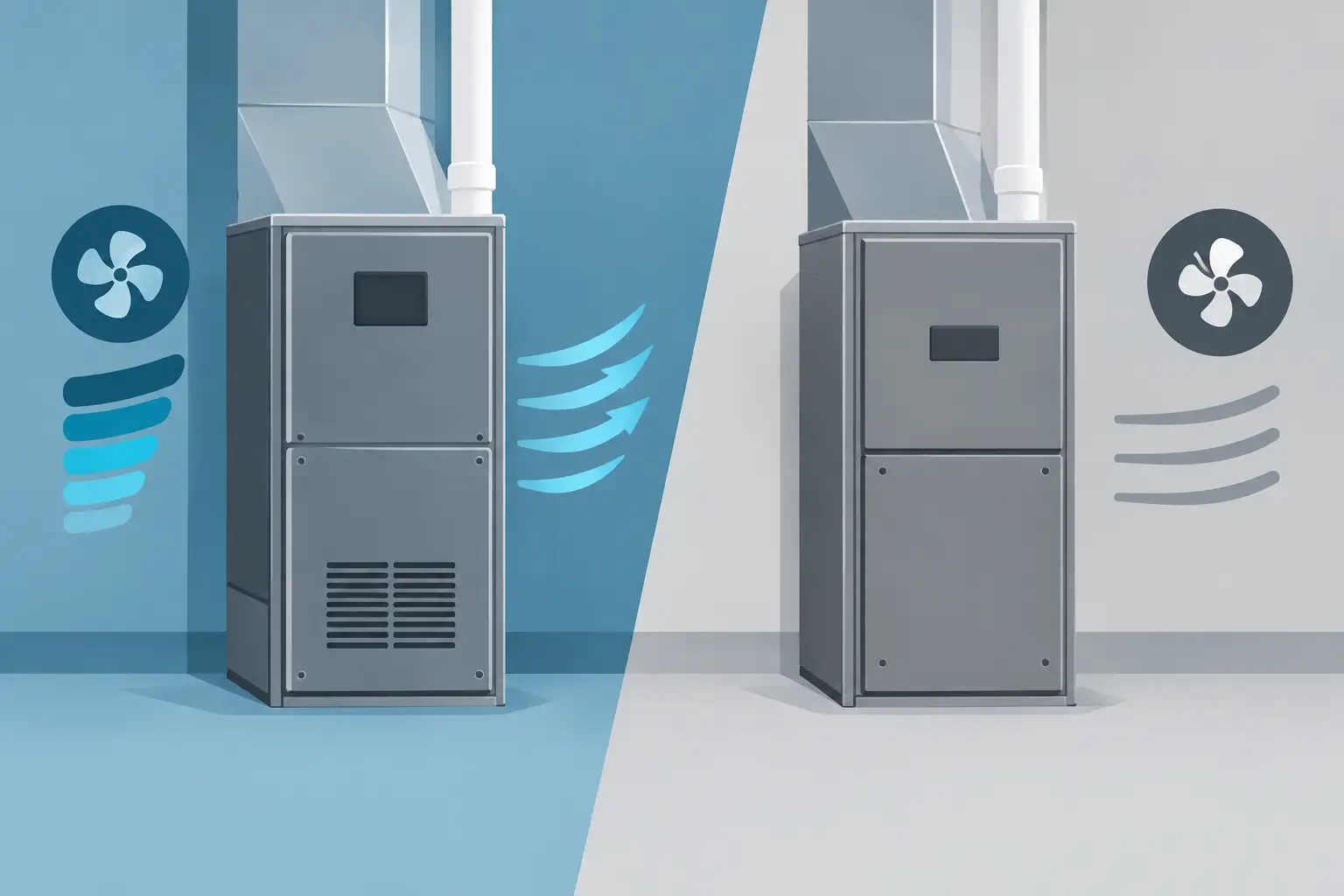
A dual-fuel setup pairs a heat pump with a gas furnace. The heat pump handles much of the seasonal heating, while the furnace can take over when outdoor temperatures drop or when a faster recovery is needed. This approach can be useful for homeowners who want heat-pump efficiency while retaining the familiarity and backup capacity of gas heat.
The best option depends on layout, fuel availability, insulation levels, electrical capacity, and how each space is used. A professional load calculation is more useful than relying on the size of the equipment being removed. Older systems are often oversized, undersized, or sized around conditions that have changed since the home was built.
Important Checks Before a Heat Pump Retrofit
A dependable installation starts with the home, not a catalog. An HVAC professional should evaluate the heating and cooling load, inspect ducts where applicable, and confirm that the electrical system can support the new equipment. Heat pumps require dedicated electrical circuits, and some homes may need panel work before installation.
Thermostat compatibility also deserves attention. Modern heat-pump controls manage heating stages, defrost cycles, auxiliary heat, and dual-fuel changeover when applicable. Using the right control helps prevent unnecessary backup heat operation and keeps the system responding correctly as outdoor temperatures change.
The condition of the building envelope matters as well. Air leaks, insufficient attic insulation, failing windows, and unsealed ductwork increase the workload on any HVAC system. Addressing the largest efficiency losses before or during a retrofit can improve results and may allow for more accurately sized equipment.
Homeowners should also ask about equipment placement. The outdoor unit needs clear airflow, a stable pad or bracket, proper drainage, and a location that considers service access and sound. Indoor equipment should be accessible for filter changes and routine maintenance, not tucked into a difficult-to-reach space that discourages service.
What to Expect During Installation
The scope of work depends on the system being replaced. A straightforward central-system replacement may take a day or two. Projects involving duct modifications, electrical upgrades, indoor air-quality accessories, or a conversion from a furnace-only setup can require more time.
Before work begins, the installation team should explain what equipment is being removed, where the new components will go, and whether access is needed to the attic, crawlspace, electrical panel, or multiple rooms. There may be periods without heating or cooling while the old equipment is disconnected and the new system is commissioned.
Commissioning is a critical final step. The contractor should verify refrigerant charge, airflow, electrical operation, condensate drainage, thermostat settings, and the heating and cooling performance of the system. The homeowner should also receive a clear walkthrough covering filter maintenance, thermostat use, expected sounds, and when to schedule service.
Costs, Efficiency, and Realistic Expectations
Heat pump retrofit costs vary widely because the equipment is only one part of the project. Duct repairs, electrical work, zoning needs, accessibility, and whether the system includes a furnace all affect the final price. The lowest initial quote may leave out work that is necessary for dependable performance.
Higher efficiency can reduce operating costs, but savings are not guaranteed to look the same in every home. Energy rates, thermostat habits, insulation, system sizing, and backup heat use all matter. It is better to discuss projected operating benefits honestly than to expect a specific utility bill reduction without reviewing the property.
Available rebates, tax credits, and utility programs can also change over time and may have equipment and installation requirements. Verify current eligibility before making a purchase decision, especially if an incentive is a major part of the budget.
Protecting a New System After the Retrofit
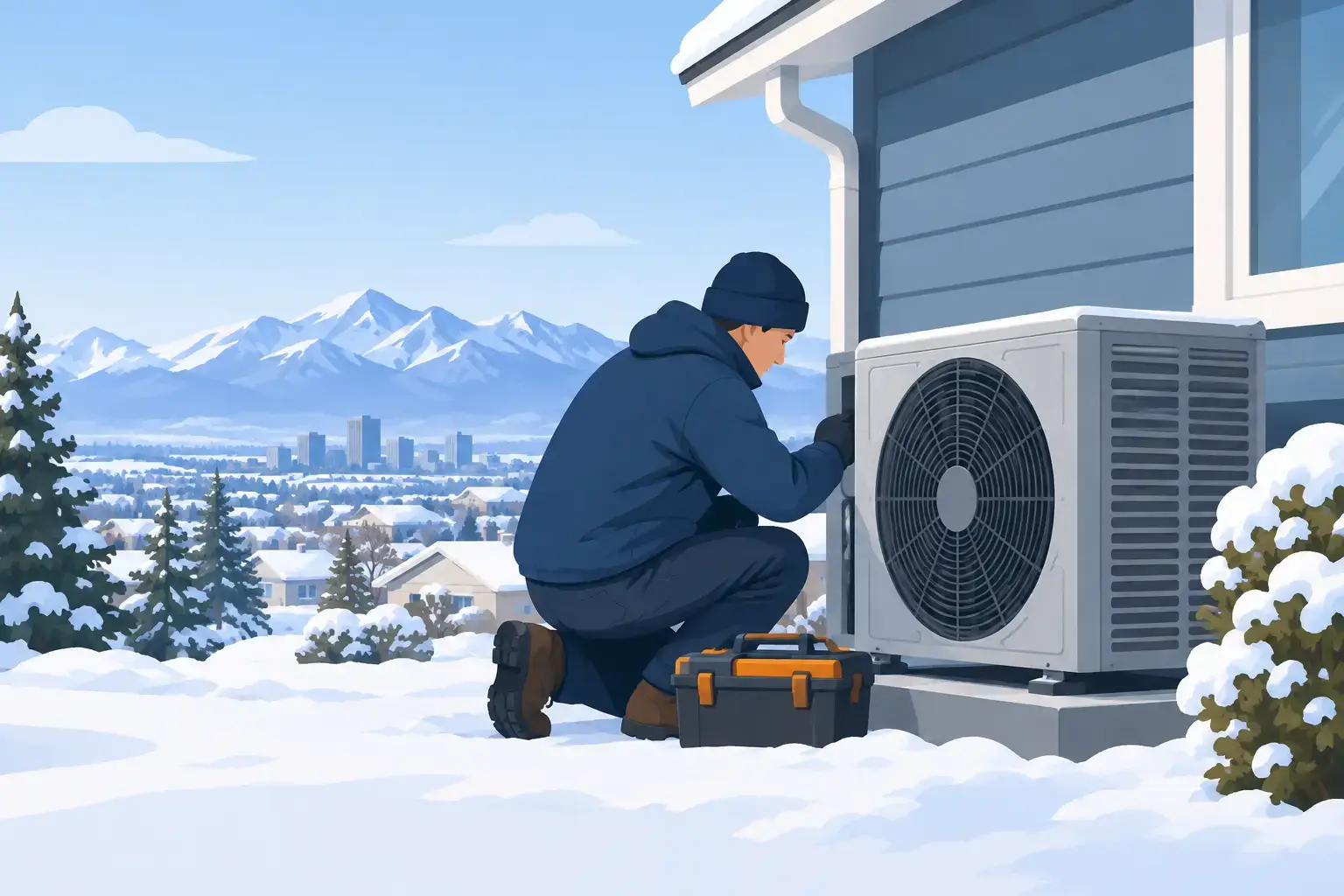
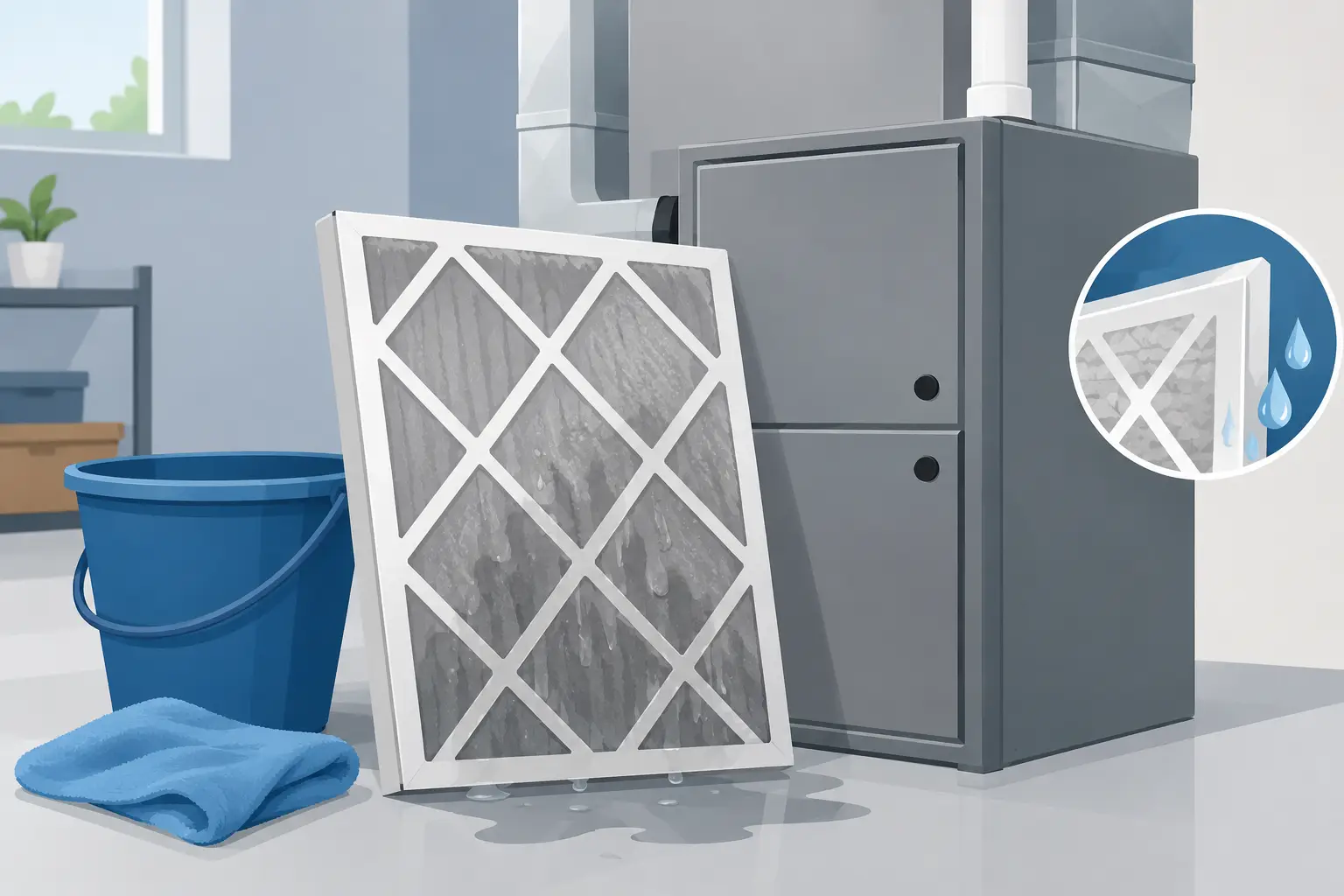
Once installed, a heat pump needs regular attention to keep operating efficiently. Replace or clean filters on schedule, keep outdoor equipment clear of leaves and debris, and avoid blocking supply or return vents. If performance changes, unusual noise develops, or the system runs continuously without maintaining temperature, schedule service before a small issue becomes a larger repair.
Professional maintenance helps catch drainage, electrical, airflow, and refrigerant concerns early. It also gives homeowners a chance to ask questions about seasonal settings and system operation. Creekside HVAC provides expert heating and cooling services for Clark County customers who need help evaluating, installing, or maintaining heat-pump equipment.
A well-planned retrofit should leave your home easier to heat, easier to cool, and easier to live in. The most useful next step is an on-site evaluation that looks beyond the old equipment and focuses on what your home actually needs.