A heating or cooling failure rarely happens at a convenient time. It usually shows up during the first cold stretch of fall, a summer heat wave, or when a rental property needs to be ready for new occupants. So, how often should HVAC be serviced? For most Clark County homes, professional maintenance once each year for every major heating and cooling system is the dependable baseline. A heat pump that works through every season generally benefits from service twice a year.
That schedule is not just about avoiding breakdowns. Routine service gives a technician the chance to find worn electrical parts, airflow restrictions, drainage problems, and efficiency losses before they become an urgent repair. In Washougal, Vancouver, and throughout Southwest Washington, where damp winters and changing temperatures put steady demands on home comfort equipment, timing matters.
How Often Should HVAC Be Serviced for Your System?
The right maintenance plan depends on the equipment in your home or business and how often it runs. Central air conditioners, furnaces, and heat pumps have different seasonal workloads, even though they may share ductwork, a thermostat, and an indoor air handler.
Furnaces: once a year, before heating season
A gas or electric furnace should receive professional service annually, ideally in early fall before regular nighttime heating begins. A furnace tune-up typically includes checking safety controls, electrical connections, burners or heating elements, blower performance, thermostat operation, and airflow.
For gas furnaces, the inspection should also include the heat exchanger, venting, ignition system, and carbon monoxide safety concerns. These are not parts to leave uninspected simply because the furnace seemed to work fine last winter. Small issues can affect safety, reliability, and fuel use long before the system stops producing heat.
A newer furnace still needs yearly maintenance. Manufacturer warranties often require documented professional service, and a neglected filter or loose electrical connection can create trouble at any age.
Air conditioners: once a year, before warm weather
A central AC system should be serviced once a year, preferably in spring. This gives the equipment a chance to be cleaned and checked before the first sustained warm days arrive.
During AC maintenance, a technician can inspect the outdoor condenser, indoor coil, refrigerant performance, condensate drain, capacitors, contactor, blower components, and electrical connections. Cleaning is a major part of the visit. Dirt on coils or around the outdoor unit restricts heat transfer, making the system run longer to cool the same space.
Annual maintenance does not guarantee an AC will never need repair. It does reduce the odds of discovering a failing component only after the house is already uncomfortable.
Heat pumps: twice a year is usually best
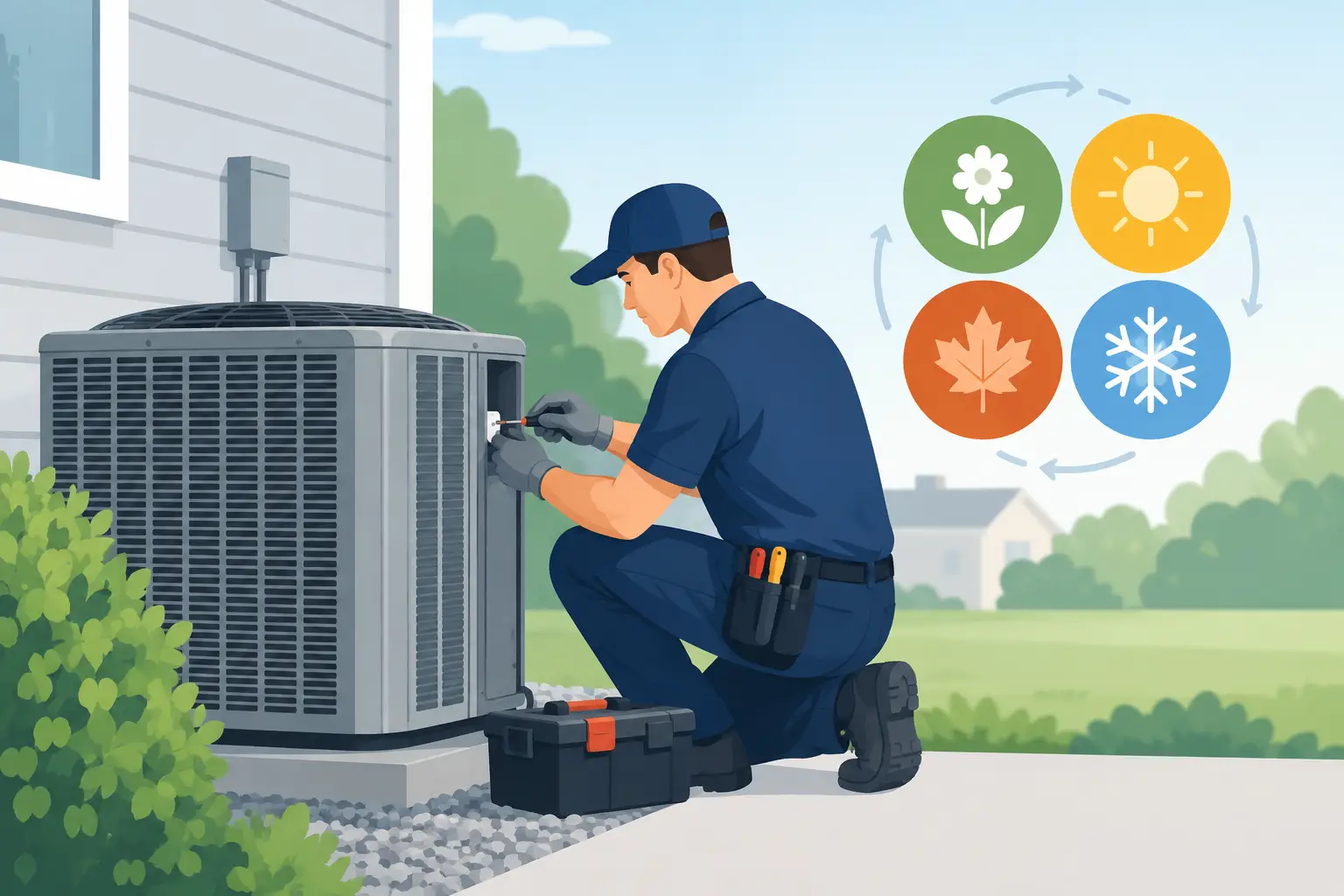
Heat pumps handle both heating and cooling, which means they do not get the same long off-season that a separate furnace or air conditioner may have. For that reason, twice-yearly heat-pump service is the preferred schedule: once in spring to prepare for cooling and once in fall before heating demand increases.
At a minimum, a heat pump should be professionally inspected once a year. But homeowners with older systems, all-electric homes, or equipment that runs nearly year-round should plan on two visits. The additional check can catch issues with defrost operation, refrigerant levels, auxiliary heat, reversing valves, and drainage before cold, wet weather makes them more noticeable.
What Professional HVAC Maintenance Should Include
A thorough service visit is more than changing an air filter and looking at the thermostat. While the exact checklist varies by system, expert heating and cooling services should evaluate operation, safety, airflow, and efficiency.
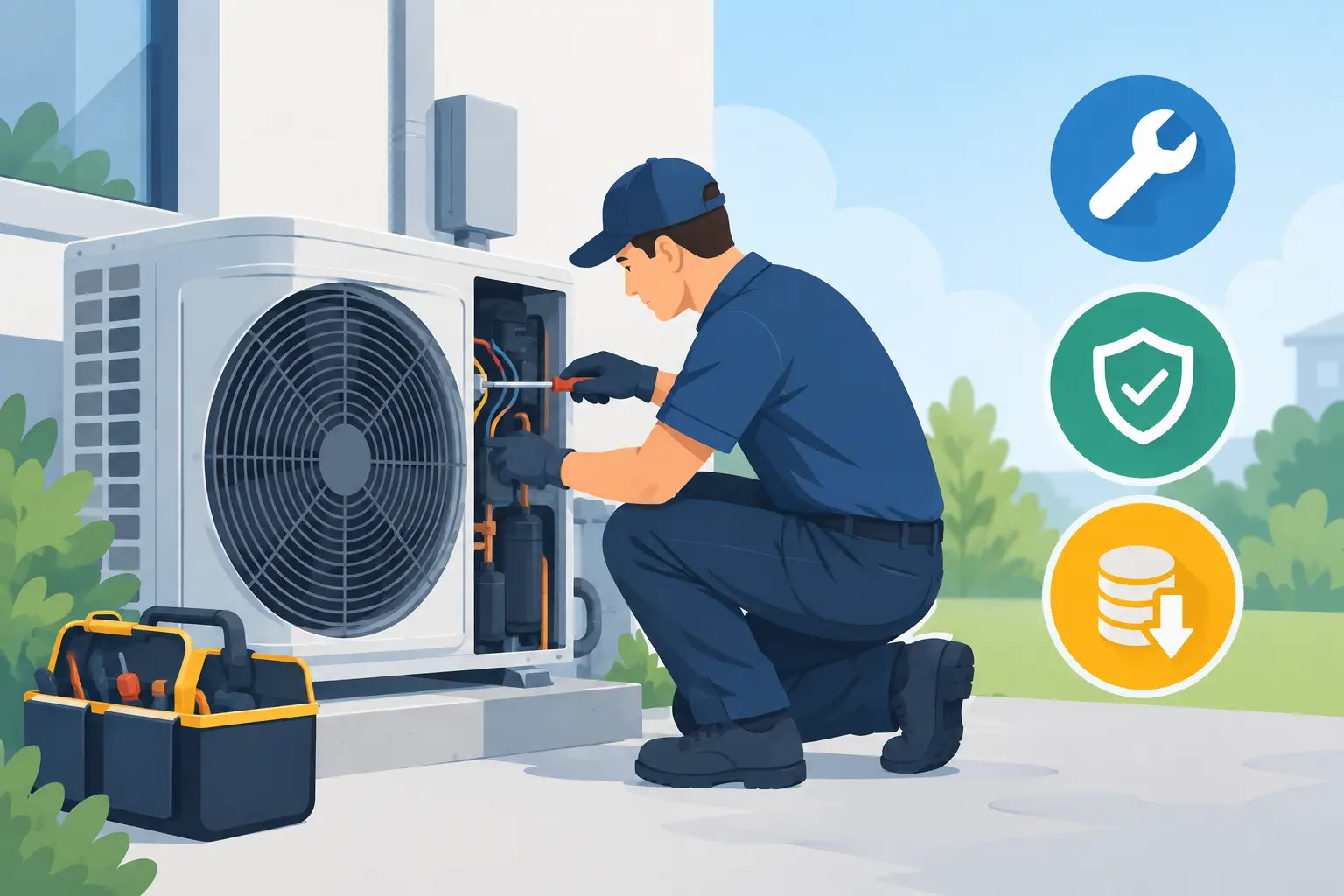
For a typical residential system, maintenance may include cleaning accessible components, inspecting wiring and controls, testing startup and shutdown cycles, checking temperature differences, assessing blower performance, examining the condensate drain, and confirming the thermostat communicates properly with the equipment. A technician may also identify parts that are still working but showing wear, such as a weak capacitor or a deteriorating contactor.
The goal is clear communication, not pressure. If a repair is recommended, you should understand what the part does, what could happen if it fails, and whether immediate replacement is necessary. For aging equipment, a reliable HVAC contractor can also explain whether continued repair makes sense compared with planning a replacement.
Factors That May Require More Frequent Service
Annual maintenance is a solid starting point, but some homes and small commercial properties need closer attention. Consider more frequent inspections when the system faces heavier-than-average use or challenging conditions.
A property may need additional HVAC service if it has pets that create extra filter and coil buildup, family members with allergies or respiratory sensitivities, ongoing construction dust, or a system that serves a busy small business. Restaurants, retail spaces, offices with long operating hours, and rental properties often benefit from scheduled checks more often than a typical single-family home.
Older systems also deserve a more proactive approach. Once equipment is past about 10 years old, the chance of age-related wear increases. That does not automatically mean replacement is the right answer. Many systems can continue operating reliably with the right repairs and maintenance. It does mean that delaying service after unusual noises, weak airflow, or rising utility costs becomes a greater risk.
Maintenance Between Professional Visits
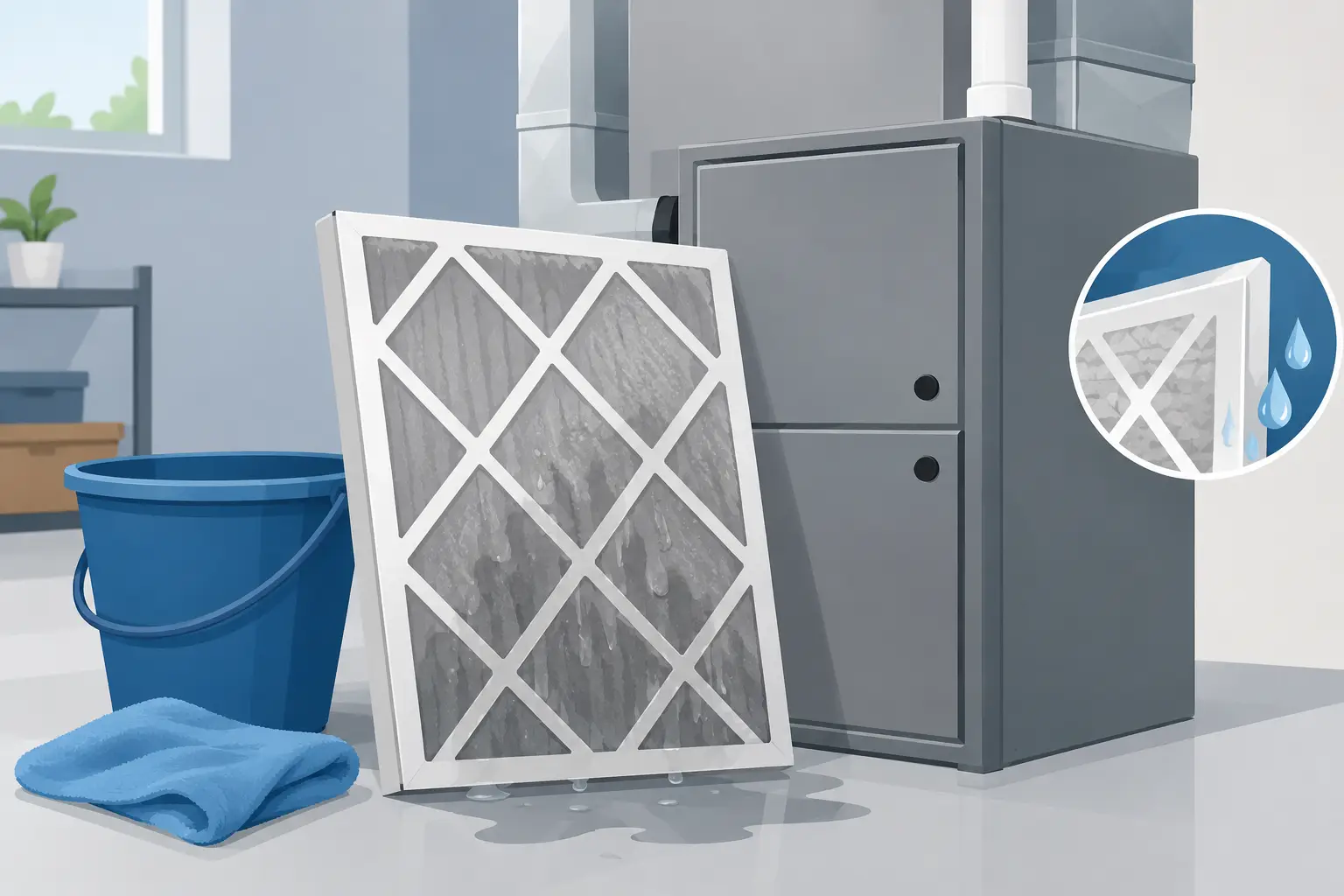
Homeowners can help their systems perform better between tune-ups, but basic upkeep is not a substitute for professional inspection. The most useful task is checking the air filter regularly. A standard 1-inch filter may need replacement every one to three months, depending on the filter type, household size, pets, and system runtime.
Keep the outdoor AC or heat-pump unit free of leaves, grass clippings, and stored items. Maintain open space around it so air can move through the coil. Inside, make sure supply vents and return grilles are not blocked by furniture, rugs, or boxes.
Pay attention to changes in normal operation. A system that starts cycling more frequently, struggles to reach the thermostat setting, makes new sounds, produces unusual odors, or leaves uneven temperatures throughout the building should be checked before the issue grows. Water near an indoor unit, ice on refrigerant lines, and repeated tripped breakers call for prompt service rather than another thermostat adjustment.
Why Seasonal Scheduling Works in Clark County
Scheduling furnace maintenance in fall and AC maintenance in spring gives technicians an opportunity to prepare equipment before its busiest period. It also gives property owners more scheduling flexibility than waiting for the first cold snap or unexpected hot weekend.
Pacific Northwest weather can shift quickly, and that makes dependable equipment especially valuable. A heat pump may be handling cool mornings, mild afternoons, and damp conditions across the same week. A furnace that sat unused through summer may need to operate reliably as soon as fall temperatures change. Seasonal maintenance is practical preparation, not unnecessary service.
For property managers, planned maintenance also creates a record of equipment condition. That can make budgeting easier, support tenant comfort, and reduce the disruption of emergency calls.
When to Schedule a Repair Instead of Waiting for Maintenance
Do not wait for your next tune-up if the system is showing an active problem. No heat, no cooling, burning smells, gas odors, loud grinding, electrical issues, or water leaking around equipment require timely professional attention. If you suspect a gas leak or carbon monoxide concern, leave the area and follow local emergency guidance before arranging HVAC service.
Less urgent symptoms still deserve attention. Higher utility bills without a clear change in usage, rooms that no longer heat or cool evenly, or a system that runs constantly can point to airflow, control, ductwork, or equipment problems. Addressing them early may prevent added wear on the compressor, blower motor, or heat source.
Creekside HVAC provides trusted local support for furnace service, AC repair, heat-pump maintenance, and dependable HVAC solutions across Washougal, Vancouver, and Clark County. The best time to schedule service is before comfort becomes an emergency - choose the season ahead, then give your equipment the professional attention it needs to carry the next one.