A heat pump can appear to do something backward on a cold, damp Southwest Washington morning: the outdoor unit may steam, the fan may stop, and warm air inside may briefly feel less noticeable. In most cases, that is normal. This heat pump defrost cycle guide explains what homeowners and property managers in Washougal, Vancouver, and Clark County should expect, what can indicate a problem, and when to call for heat-pump service.
Why Heat Pumps Need a Defrost Cycle
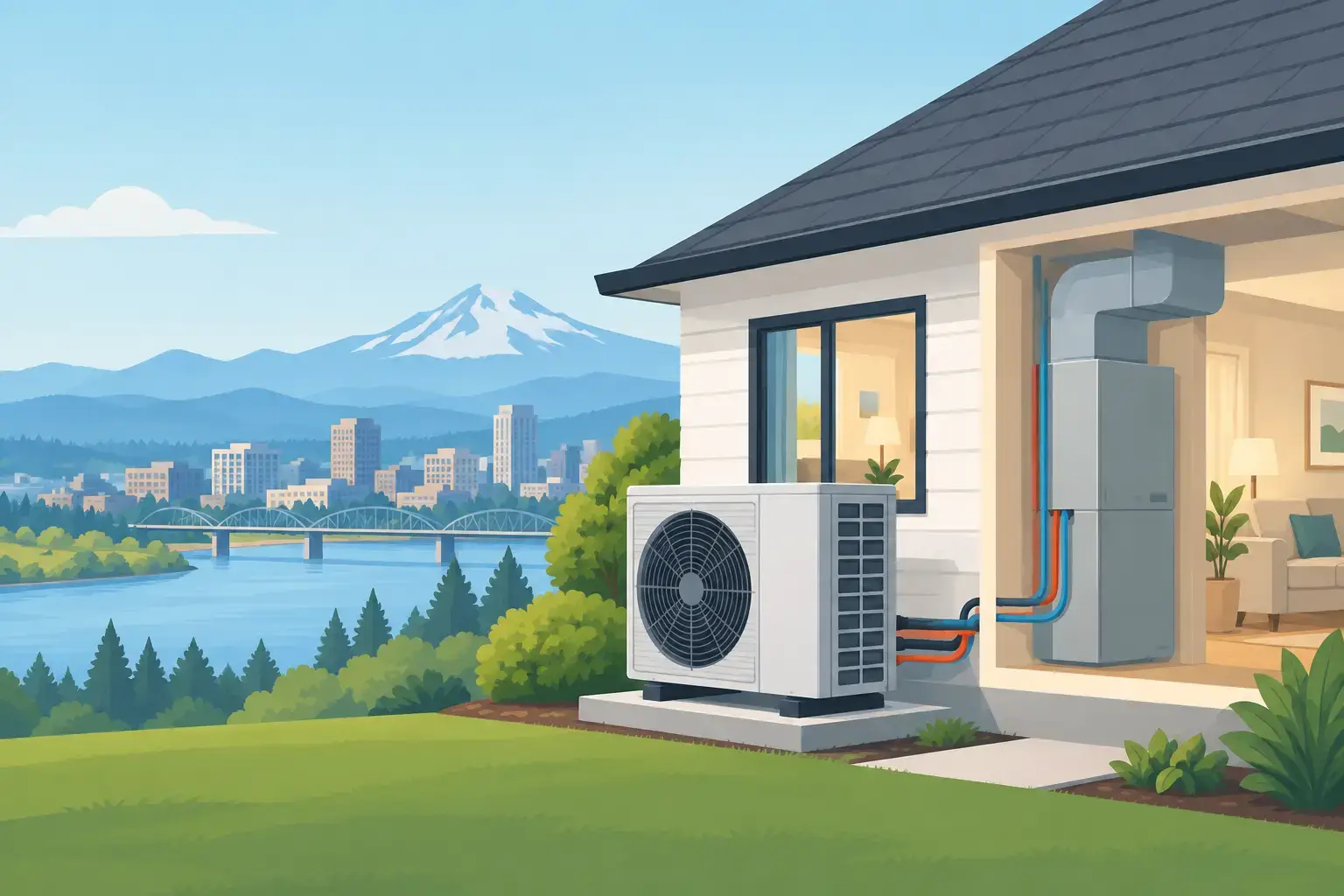
During heating season, a heat pump pulls usable heat from outdoor air and moves it indoors. Even when the air feels cold, it still contains heat energy. As the outdoor coil operates below the surrounding air temperature, moisture in the air can collect and freeze on the coil.
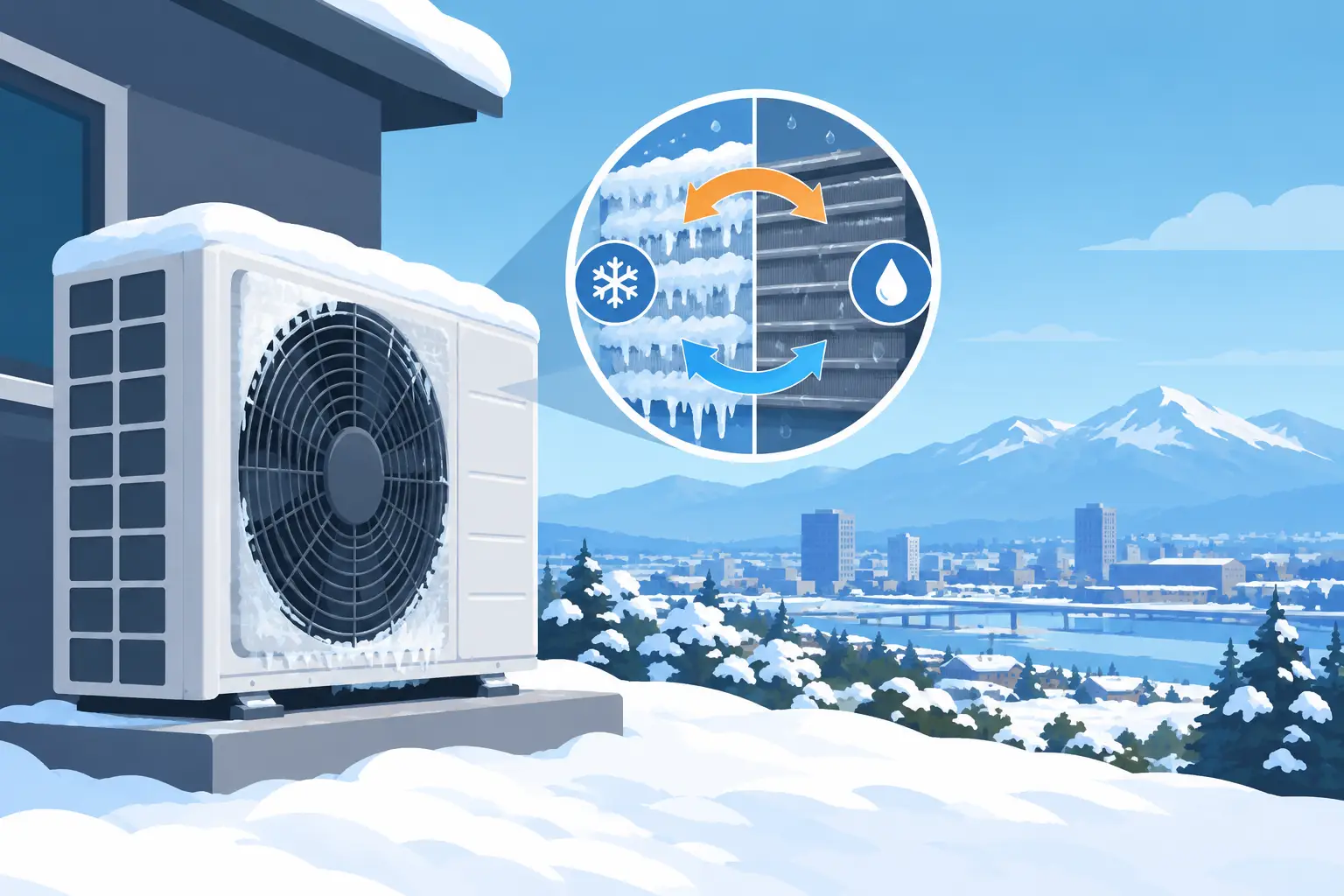
A light coating of frost is common, especially in the Pacific Northwest. Clark County winters are often cool and damp rather than severely cold, which creates the exact conditions that can lead to frequent frost buildup. Without a defrost cycle, ice would eventually block airflow through the outdoor coil. The system would lose efficiency, struggle to heat the building, and could experience unnecessary wear.
The defrost cycle is the system's automatic way of clearing that frost before it becomes a larger issue. It is not a sign that the heat pump has stopped working. It is part of normal operation.
What Happens During a Heat Pump Defrost Cycle?
When the controls detect frost or determine that operating conditions require defrosting, the heat pump temporarily changes its refrigerant flow. In simple terms, it briefly runs in a cooling-like mode so warm refrigerant can melt ice from the outdoor coil.
The outdoor fan commonly stops during this process. Stopping the fan helps the coil warm up faster and prevents cold outdoor air from working against the defrost process. Homeowners may see water dripping from the unit or a cloud of steam rising from it. Steam can look alarming, but it is usually just warm moisture meeting cold outdoor air.
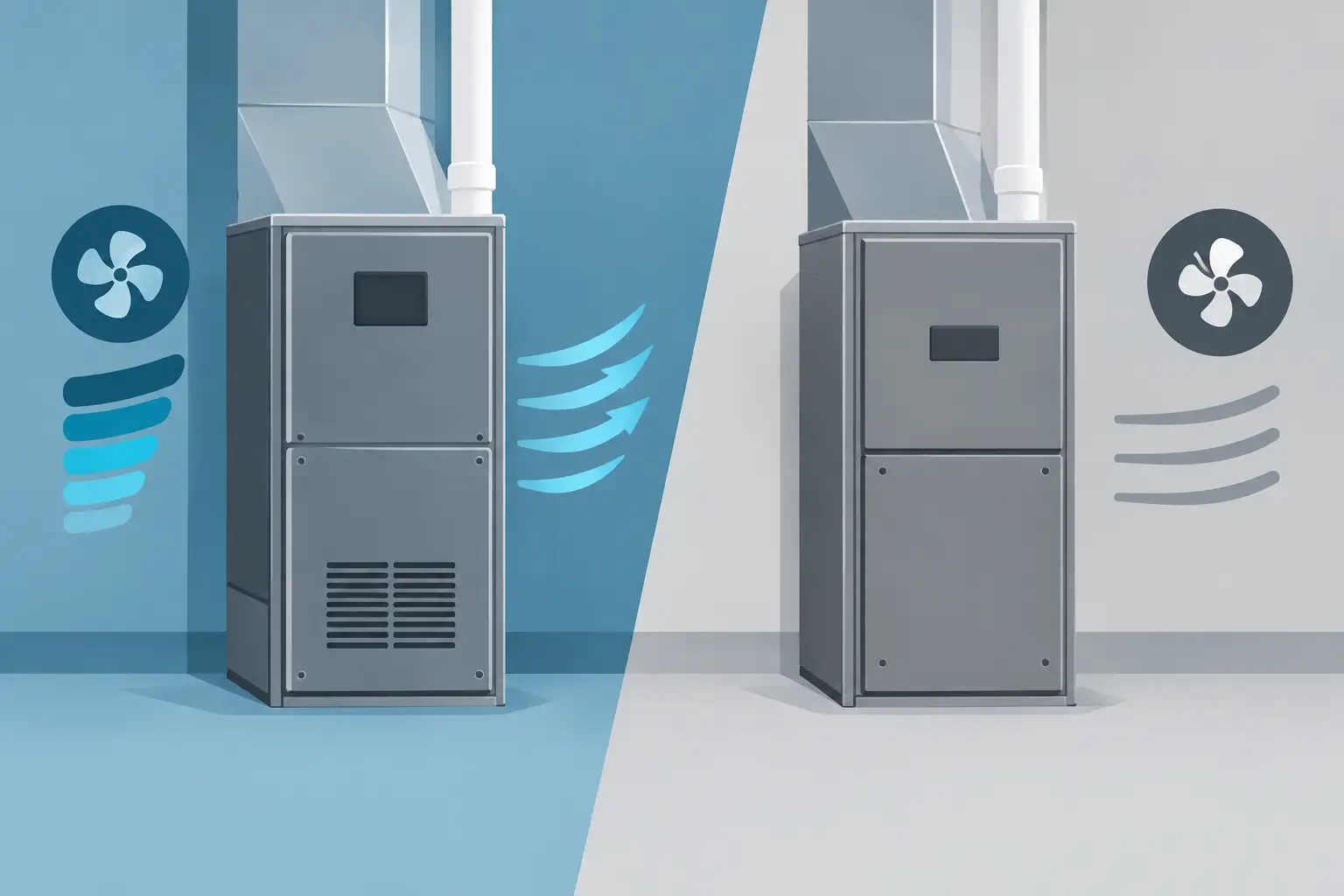
Because the system is temporarily directing heat toward the outdoor unit, many heat pumps turn on auxiliary electric heat indoors. That backup heat helps prevent a blast of cool air from coming through the vents. A properly operating system should return to normal heating once the coil is clear, often within five to fifteen minutes.
The exact timing depends on the equipment, outdoor temperature, humidity, frost level, and the defrost controls installed on the system. Some units defrost based on a timer, while newer systems use sensors and demand-based controls that activate only when needed.
Normal Signs You May Notice
A normal defrost cycle may include a pause in the outdoor fan, steam coming off the unit, water beneath the outdoor unit, and a brief change in indoor airflow temperature. These signs should be temporary.
It is also common to hear the heat pump change sounds as its reversing valve shifts. The sound may be a short whoosh or mechanical transition. That is different from loud grinding, repeated banging, or an outdoor unit that never resumes normal operation.
Frost Is Normal. Heavy Ice Is Not.
The key difference is the amount of buildup and whether the unit can clear it. A thin layer of white frost across the coil can be expected in winter. A heat pump covered in thick ice, with frozen fan blades or solid ice around the cabinet, needs attention.
Ice can form when the defrost cycle is not activating, is not completing, or cannot drain properly. It can also result from restricted airflow, a dirty coil, low refrigerant, a failing sensor, a reversing valve issue, or another mechanical or electrical problem. In some cases, snow, leaves, or landscaping too close to the unit can limit airflow and make icing worse.
Do not assume that all ice indicates a failed heat pump. A unit may be temporarily frosty just before it enters defrost. However, if heavy ice remains after a defrost cycle should have occurred, professional diagnosis is the safer choice.
Warning Signs That Call for Heat-Pump Service
A heat pump that defrosts occasionally is doing its job. A heat pump that seems stuck in defrost or cannot remove ice may be wasting energy and putting critical components under strain.
Schedule service if you notice any of the following conditions:
- The outdoor coil stays heavily iced over for hours or repeatedly freezes solid.
- The outdoor fan does not restart after the unit completes defrosting.
- The system enters defrost very often, such as several times an hour under ordinary winter conditions.
- Indoor temperatures fall and the system cannot keep up with the thermostat setting.
- You hear grinding, screeching, repeated clicking, or other unusual mechanical sounds.
- Water cannot drain away from the unit and refreezes into a large ice base.
- Your electric bill rises sharply while comfort drops.
These symptoms do not point to one single repair. A technician may need to inspect the defrost control board, coil temperature sensor, outdoor fan motor, refrigerant charge, reversing valve, wiring, condensate drainage, and overall airflow. Accurate testing matters because replacing a part based on symptoms alone can leave the actual problem unresolved.
What You Can Safely Check Before Calling
Start with the thermostat. Confirm it is set to Heat or Auto and that the temperature setting is above the current indoor temperature. If the system has an emergency heat setting, do not switch it on unless there is a specific need or a technician has advised it. Emergency heat can keep a home warm, but it typically costs more to run than normal heat-pump operation.
Next, look at the outdoor unit from a safe distance. Remove loose leaves, branches, or windblown debris around it, and make sure there is clear space for air to move. Do not chip ice from the coil, use sharp tools, or pour hot water on the unit. Those actions can bend delicate coil fins, damage wiring, crack components, or create a refreezing hazard.
Inside, check the air filter. A clogged filter restricts airflow and can affect system performance. Replace it if it is visibly dirty or according to the manufacturer's recommended schedule. Also make sure supply vents and return grilles are open and not blocked by furniture, boxes, or rugs.
If the heat pump has lost power, check the breaker once. A breaker that trips again should not be repeatedly reset. That can indicate an electrical issue that requires professional service.
How to Reduce Winter Defrost Problems
Good maintenance does not eliminate defrost cycles, nor should it. The goal is to make sure defrosting happens efficiently and that the heat pump can return to normal heating quickly.
Keep the outdoor unit clear throughout fall and winter. Wet leaves, snow buildup, and overgrown shrubs can reduce airflow. Check that roof runoff does not pour directly onto the unit, since repeated water exposure can create ice around the base. If the unit sits below a roof edge, a qualified HVAC professional can help determine whether a properly designed cover, gutter adjustment, or other solution is appropriate. Do not cover an operating unit tightly, as that restricts airflow.
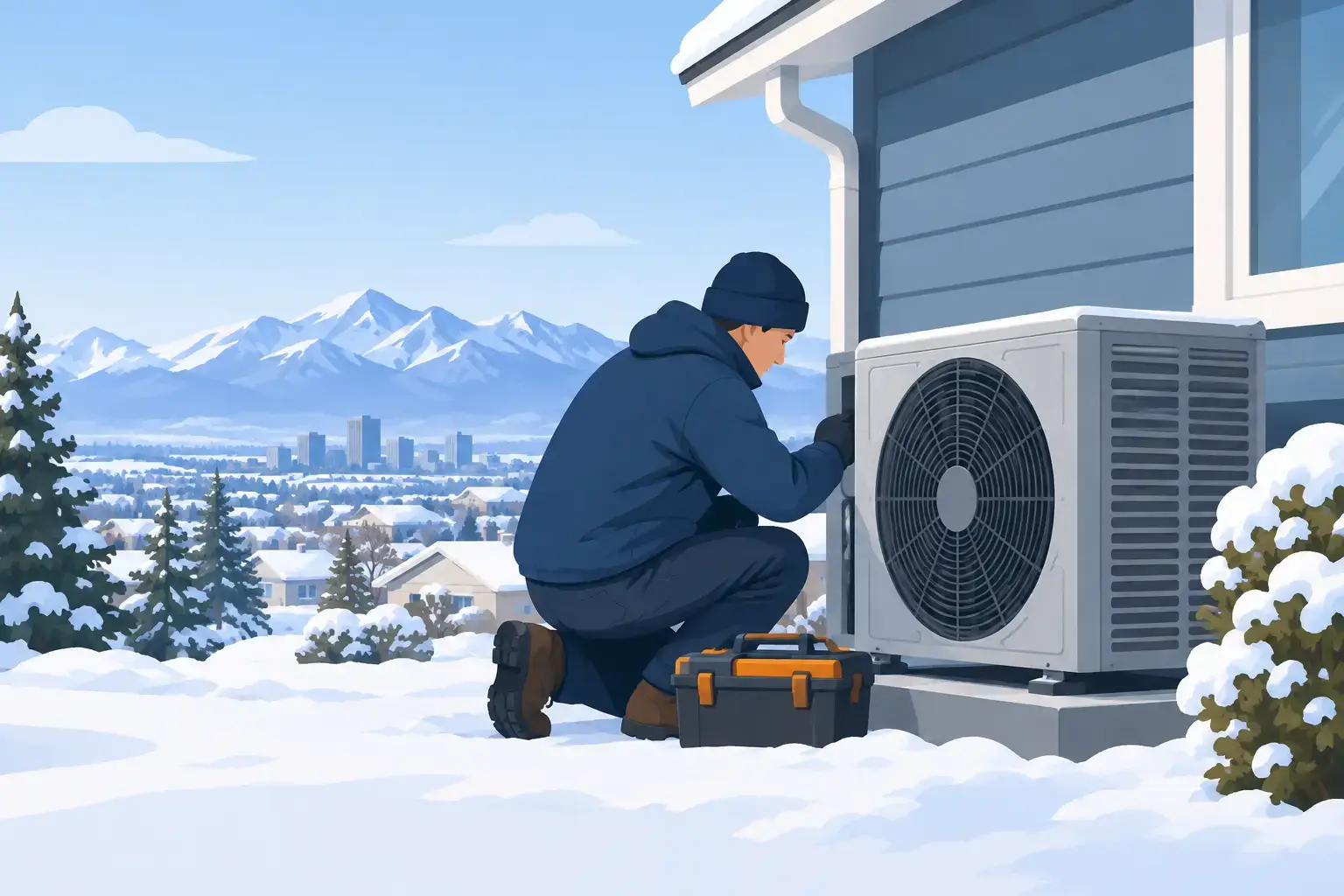
Seasonal maintenance is also valuable. During a professional heat-pump visit, the technician can inspect electrical connections, clean the outdoor coil when needed, verify refrigerant operation, test the defrost sequence, and identify wear before a cold-weather failure. This is especially useful for property managers responsible for tenant comfort and small businesses that cannot afford an unexpected heating interruption.
When Auxiliary Heat Is Working Harder Than It Should
Auxiliary heat is designed to support the heat pump during defrost cycles and periods of high heating demand. It may run when temperatures drop, when the thermostat is raised several degrees at once, or when the heat pump needs backup to maintain indoor comfort.
However, auxiliary heat running constantly can increase operating costs. In Clark County's generally moderate winter climate, a properly sized and maintained heat pump should carry much of the heating load on its own. Constant auxiliary heat may indicate an iced coil, thermostat issue, duct problem, undersized equipment, refrigerant concern, or a system that needs repair.
If your home is warm but energy use has become noticeably higher, it is worth having the system checked. Small performance issues often become more expensive when they force backup electric heat to run for long periods.
Trusted Local Help for Heat-Pump Issues
Heat pumps are efficient, dependable heating systems when their controls, airflow, and refrigerant components are working together correctly. A little frost and occasional steam are part of winter operation. Persistent ice, poor heating, and repeated defrost activity are not conditions to ignore.
Creekside HVAC provides expert heating and cooling services for homeowners, property managers, and local businesses across Washougal, Vancouver, and Clark County. If your heat pump is not recovering from defrost, is building heavy ice, or is leaving your space uncomfortable, a timely service visit can protect both comfort and equipment life. Paying attention to how your system behaves on damp winter days gives you a practical early warning before a minor issue becomes a no-heat call.