A cold morning in Washougal can make any homeowner question the equipment outside. Can heat pumps work below freezing? Yes. A properly selected, installed, and maintained heat pump can heat a home well below 32 degrees. The real question is how efficiently it will perform in your specific home, and when supplemental heat may be needed.
For Clark County homeowners and property managers, heat pumps are often a practical year-round comfort solution. They provide air conditioning in summer and electric heating in winter, which can make them an efficient alternative to relying on a furnace alone. But not every heat pump is built for the same low-temperature performance, and installation details matter as much as the equipment label.
Can Heat Pumps Work Below Freezing in Clark County?
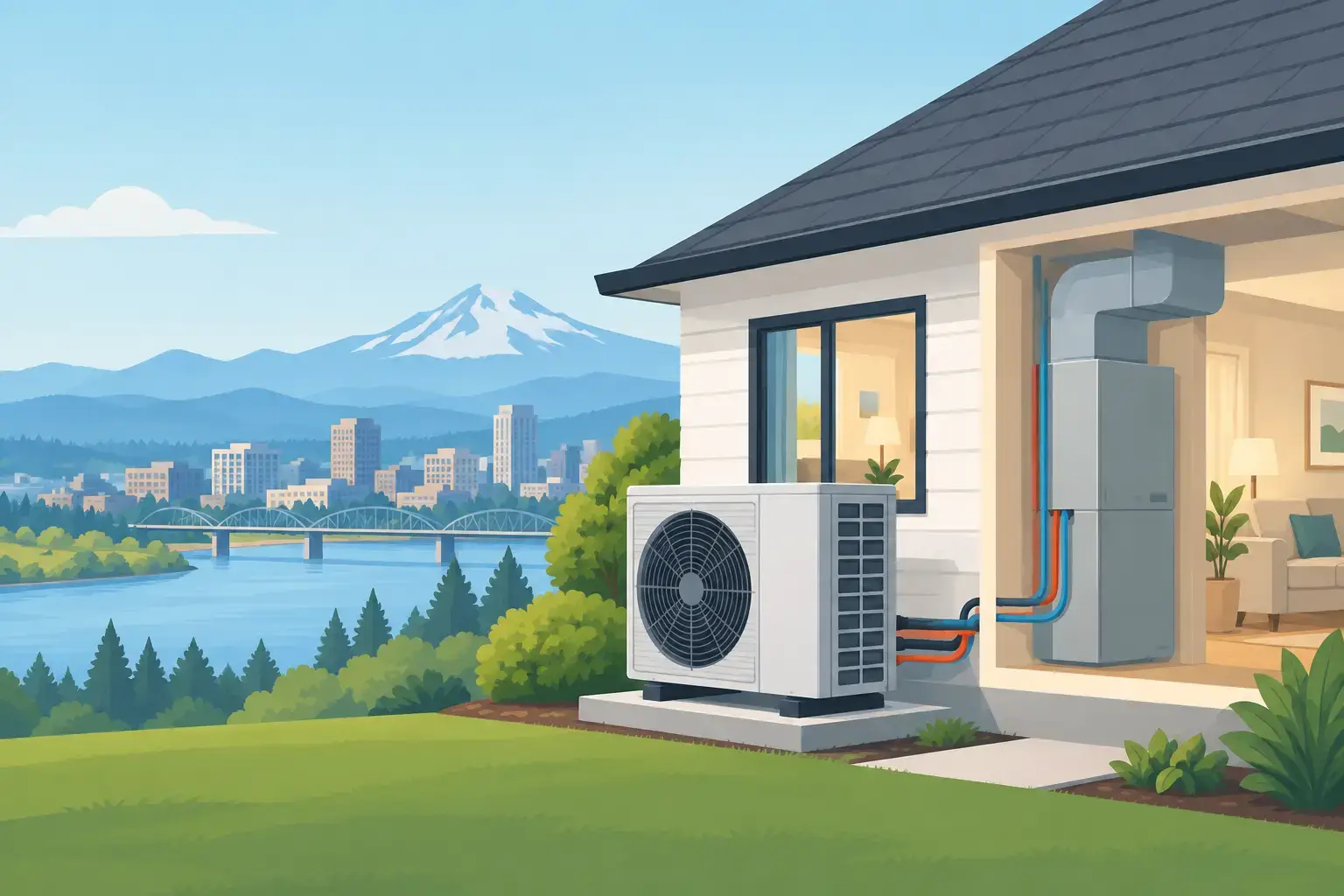
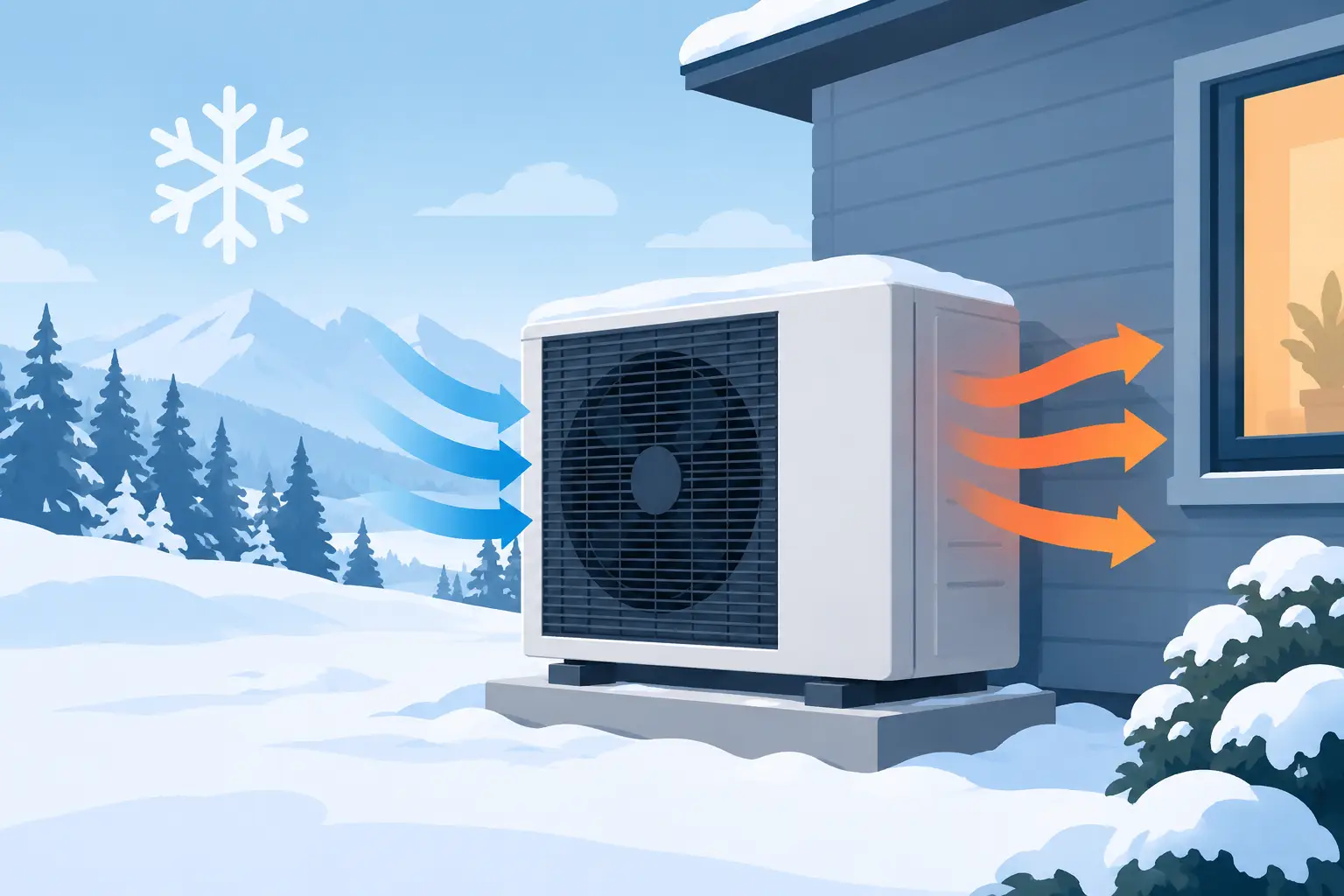
They can. A heat pump does not create heat by burning fuel. It moves available heat from outdoor air into the building through a refrigeration cycle. Even air that feels freezing cold still contains thermal energy. The system captures that energy, compresses the refrigerant, and transfers heat indoors.
As outdoor temperatures drop, the heat pump has less heat to collect and must work harder to deliver it. That means its efficiency declines compared with mild 40- to 55-degree weather. It does not mean the system stops working at 32 degrees.
Many standard modern heat pumps can continue heating below freezing, while cold-climate models are designed to maintain strong output at much lower temperatures. Some high-performance systems can operate effectively near or below 0 degrees, although their capacity and efficiency will vary by model and installation. For Southwest Washington, where winter weather is usually cool and wet with occasional cold snaps, a well-designed heat pump system can be an excellent fit.
The right answer for a particular home depends on more than the outdoor temperature. Home size, insulation, window condition, ductwork, thermostat settings, and the heat pump's actual low-temperature rating all affect comfort.
Why Heat Pumps Lose Efficiency in Cold Weather
Heat pump performance is commonly discussed using a coefficient of performance, or COP. In simple terms, it compares the heat delivered to the electricity used. In moderate weather, a heat pump can often provide several units of heat for every unit of electricity it consumes. As temperatures fall, that advantage narrows.
This is still different from electric resistance heat, such as baseboard heaters or many emergency heat strips, which generally produce one unit of heat for each unit of electricity used. A heat pump may remain the more efficient option below freezing, even when it is no longer operating at its best.
The system also has to manage frost. During damp winter weather, moisture can collect and freeze on the outdoor coil. Heat pumps periodically enter a defrost cycle to melt that frost and protect airflow. During defrost, the outdoor unit may change sound, steam may rise from it, and the indoor system may briefly rely on backup heat. These are often normal operating behaviors, not automatic signs of a breakdown.
Frequent, extended, or ineffective defrost cycles are different. If the outdoor unit becomes heavily iced over, airflow is restricted, or indoor temperatures keep falling, it is time for professional heat-pump service.
The Role of Backup or Auxiliary Heat
Many heat-pump systems include auxiliary heat. In an all-electric setup, this is often electric heat strips inside the air handler. In a dual-fuel system, it may be a gas furnace that takes over during colder conditions. Auxiliary heat supports the heat pump when demand exceeds what the outdoor unit can provide efficiently.
Backup heat is not a failure of the system. It is part of the design. A properly configured thermostat determines when to use the heat pump, when to add supplemental heat, and when to run a furnace in a dual-fuel arrangement.
That said, auxiliary heat can increase energy use, especially if electric heat strips run for long periods. If the thermostat shows “Aux Heat” or “Emergency Heat” constantly during ordinary winter weather, the system may need attention. Possible causes include an undersized heat pump, incorrect thermostat configuration, a refrigerant issue, duct leakage, poor airflow, or a malfunctioning outdoor unit.
Emergency Heat should generally be used only when the heat pump is not operating correctly or when a technician directs you to use it. Switching it on during every cold night can lead to unnecessarily high utility bills.
What Makes a Heat Pump Perform Well Below Freezing?
Cold-weather performance starts with choosing equipment rated for the job. A contractor should review the unit's heating capacity at lower outdoor temperatures, not only its standard efficiency rating. A system that looks efficient on paper may not provide enough heat for a poorly insulated home or a building with significant heat loss.
Proper sizing is equally important. An oversized system can short-cycle during milder weather, while an undersized system may depend too heavily on auxiliary heat. Professional load calculations account for square footage, ceiling height, insulation, windows, sun exposure, building layout, and local winter design temperatures.
Installation quality also has a direct effect on performance. Refrigerant charge, electrical connections, condensate drainage, airflow, and duct condition all need to be correct. A heat pump cannot deliver reliable heating if the indoor blower is restricted by a dirty filter or if conditioned air is escaping through leaky ducts.
For homes without ductwork, ductless mini-split heat pumps can be a strong option. They avoid duct losses and allow individual rooms or zones to be heated independently. However, indoor unit placement still matters. A unit installed in one open area may not adequately serve distant bedrooms or closed-off spaces without a thoughtful system design.
Signs Your Heat Pump Needs Service This Winter
A heat pump should run more often during cold weather than a furnace because it supplies heat at a lower, steadier temperature. Continuous operation during a cold spell is not necessarily a problem. But certain changes deserve a service call:
- The home will not reach the thermostat setting.
- The outdoor unit is covered in thick ice rather than a light, temporary frost.
- Auxiliary or emergency heat runs excessively.
- Airflow from vents is weak, cool, or uneven between rooms.
- The system makes grinding, rattling, or repeated clicking sounds.
- Your electric bill rises sharply without a clear change in weather or usage.
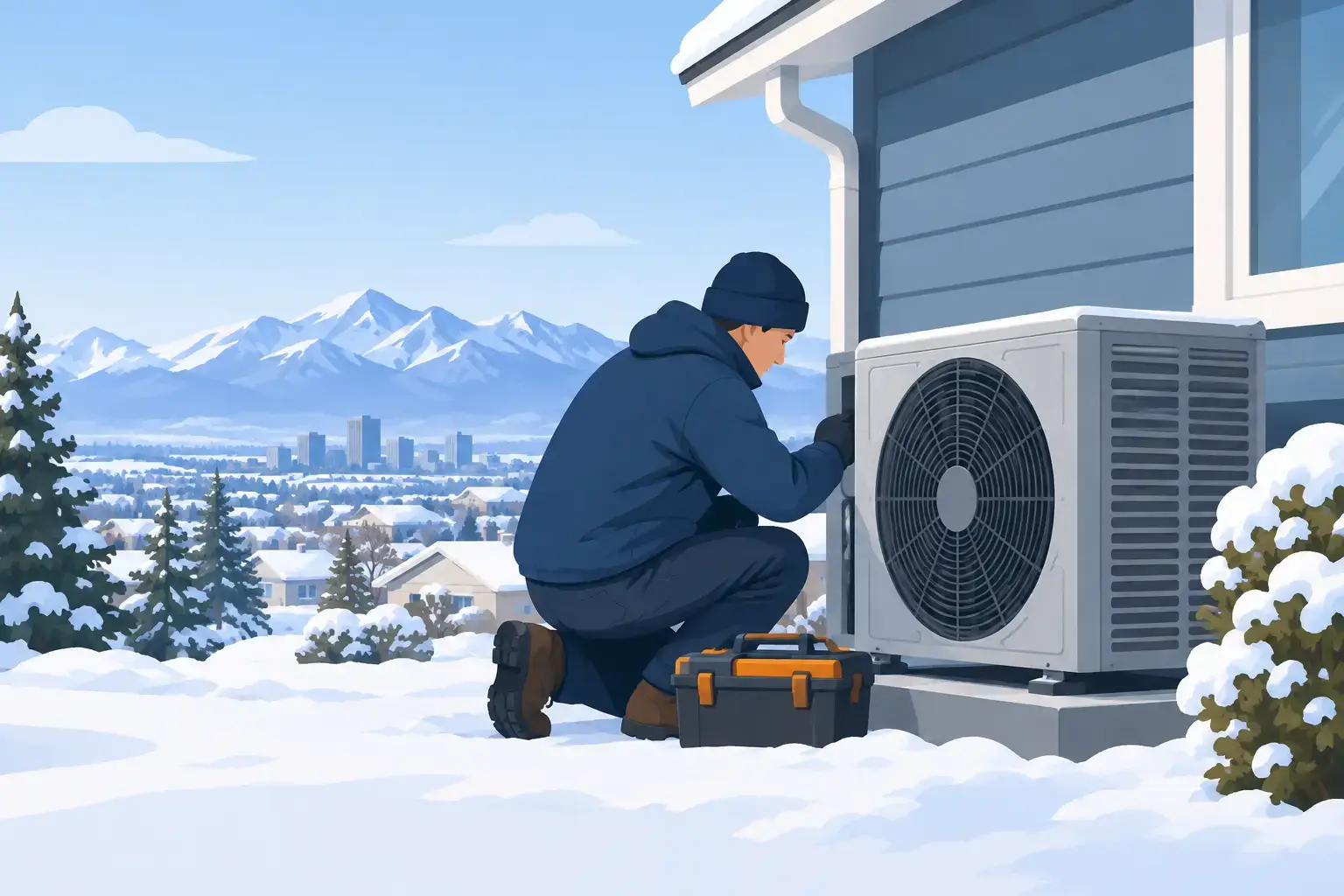
Before calling, check the thermostat mode, replace a dirty air filter, and make sure the outdoor unit has clear space around it. Do not chip ice from the coil or pour hot water on the unit. That can damage the equipment and may create a refreezing problem.
Practical Winter Settings for Heat Pump Owners
Heat pumps generally perform best with steady thermostat settings. Raising the temperature several degrees at once can trigger auxiliary heat, which may cost more to operate. Instead of making major setbacks overnight, choose a comfortable setting and make small adjustments when needed.
Keep supply vents open and unblocked, and do not close off large sections of the home in an effort to save energy. Restricting airflow can create pressure issues and reduce system performance. Schedule regular maintenance before the heating season as well. A technician can inspect the electrical components, refrigerant operation, coils, defrost controls, blower performance, and overall heating output before the first serious cold snap.
For property managers and small business owners, preventive service is especially valuable. A comfort issue in one tenant space, office, or retail area can quickly become a business interruption. Addressing weak airflow, unusual cycling, or rising operating costs early is usually easier than responding to a no-heat call on a freezing morning.
When a Furnace May Still Make Sense
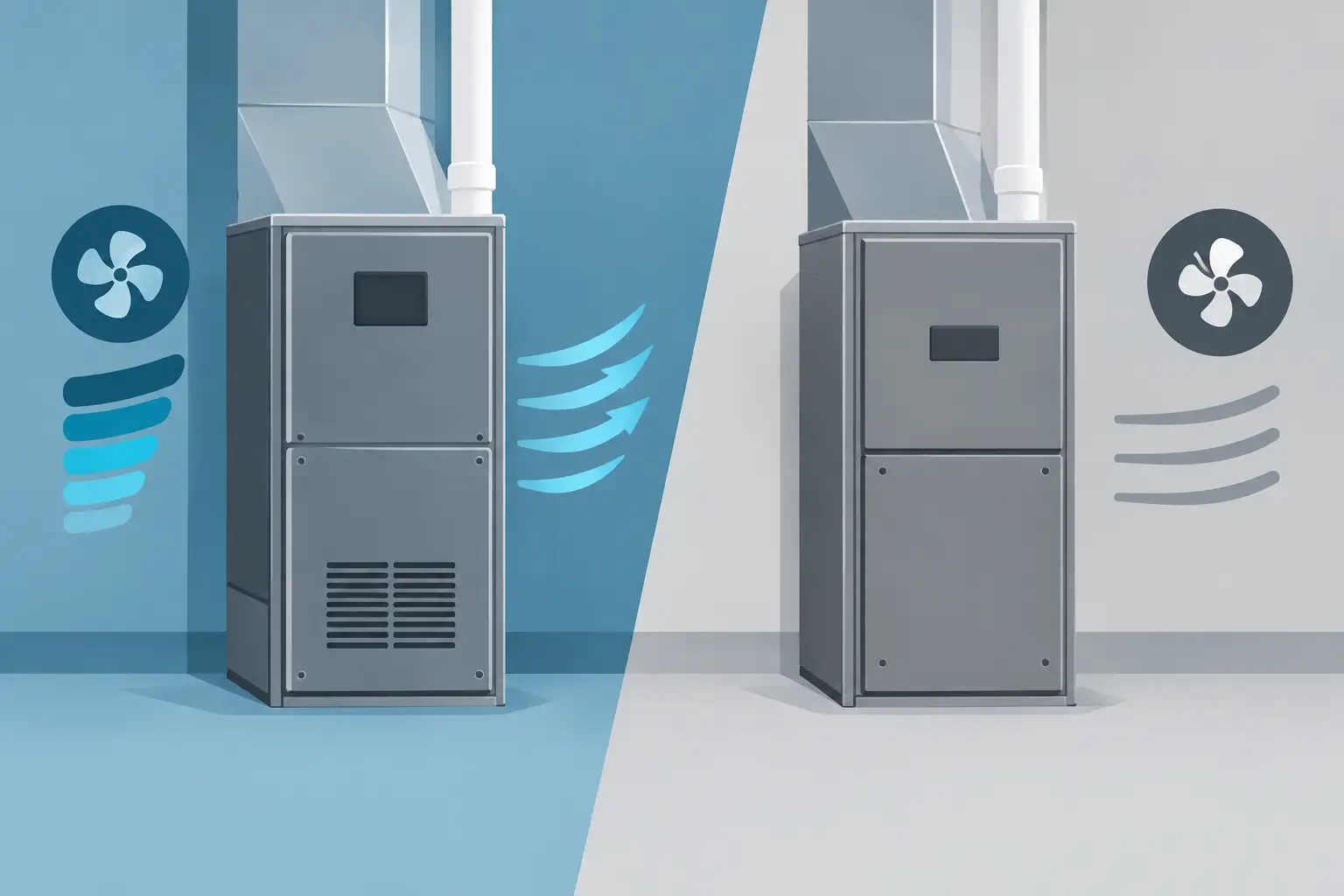
A heat pump is not the only good heating choice. Homes with existing gas service, high heating loads, limited electrical capacity, or specific comfort preferences may be better served by a furnace or a dual-fuel system. A dual-fuel arrangement pairs a heat pump with a gas furnace, allowing the system to use efficient electric heating in milder weather and furnace heat when temperatures fall past a selected point.
The best choice is not always the equipment with the highest advertised rating. It is the system that matches the building, local climate, budget, and long-term operating goals. Creekside HVAC can help homeowners and local businesses in Washougal, Vancouver, and throughout Clark County evaluate those factors with clear, practical recommendations.
A heat pump that is correctly matched to your property should not leave you guessing every time temperatures drop. If your system is struggling to keep up, icing over, or relying on emergency heat too often, a timely inspection can protect your comfort before the next cold stretch arrives.