A cooling system replacement is not just about getting through the next hot week. In Southwest Washington, the right equipment also has to handle cool, damp winters, uneven temperatures between rooms, and the way your home is actually used. When comparing ductless mini split versus central air, the best choice depends on your existing ductwork, heating needs, room layout, budget, and long-term plans for the property.
Both systems can provide dependable cooling. Both can be highly efficient when properly sized and installed. But they solve comfort problems in very different ways.
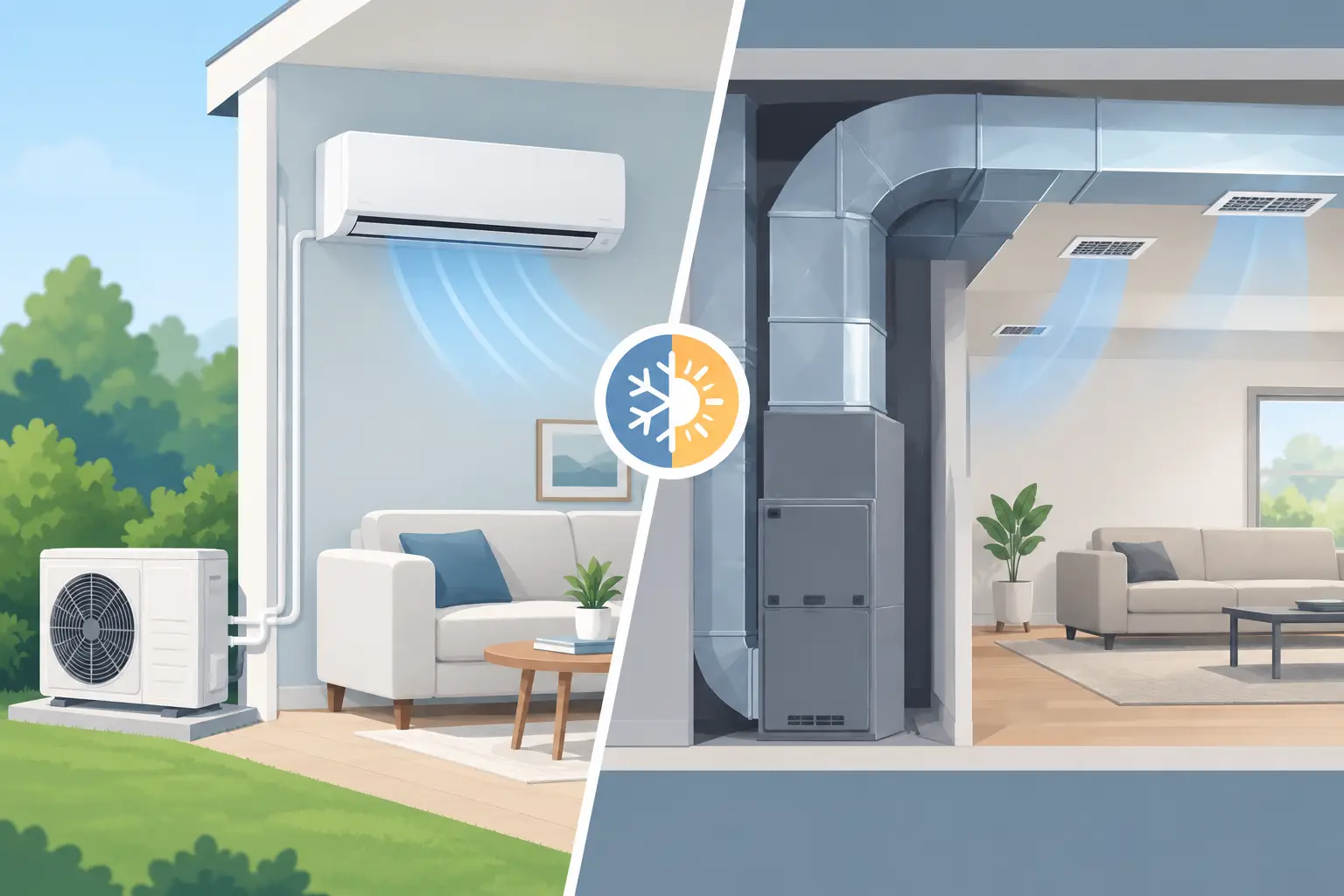
Ductless Mini Split Versus Central Air: The Basic Difference
Central air conditioning uses one outdoor condensing unit and an indoor coil connected to a forced-air furnace or air handler. Conditioned air moves through a network of supply ducts and returns to cool the home from central vents. If your house already has ductwork in good condition, central air can be a straightforward way to cool every room.
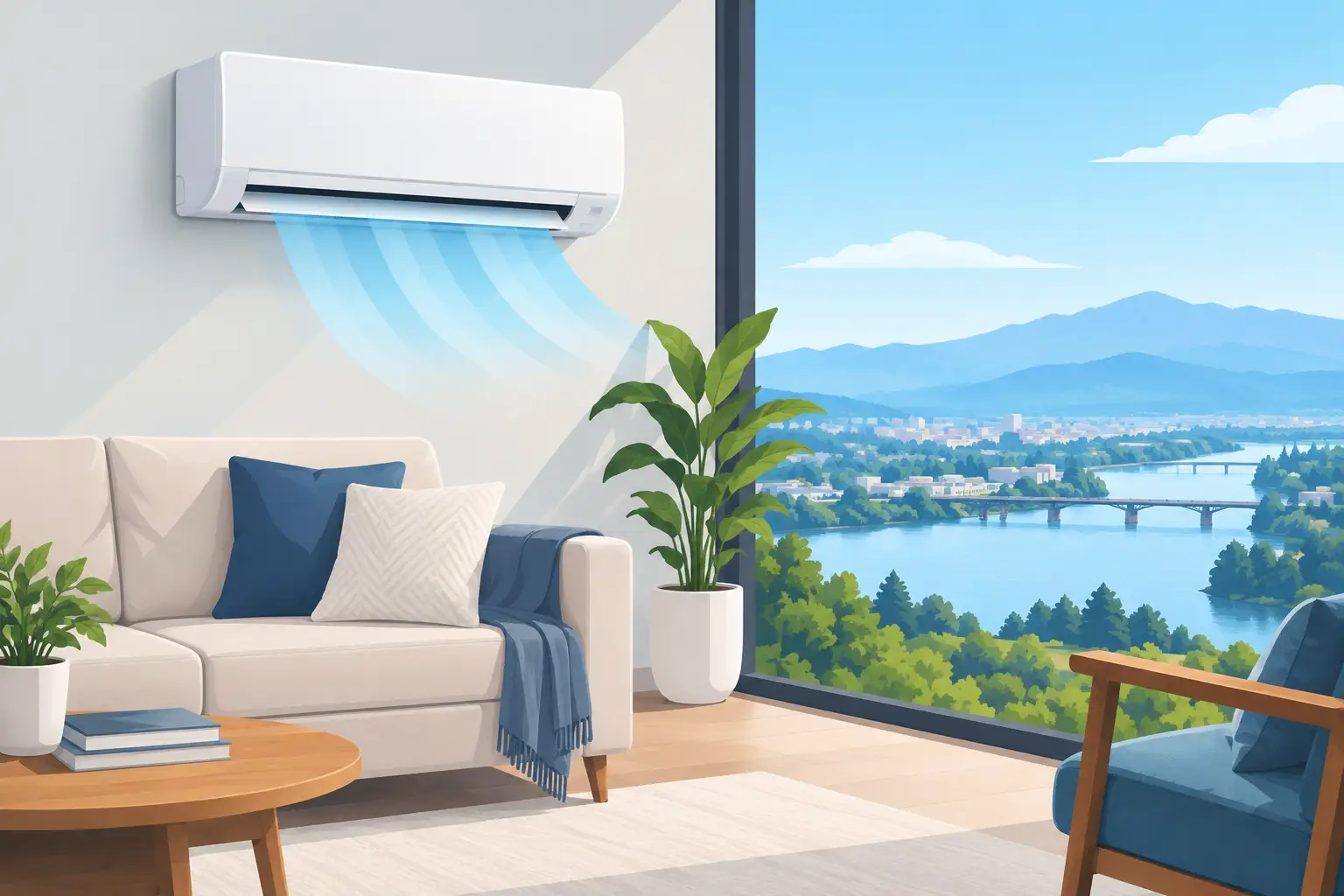
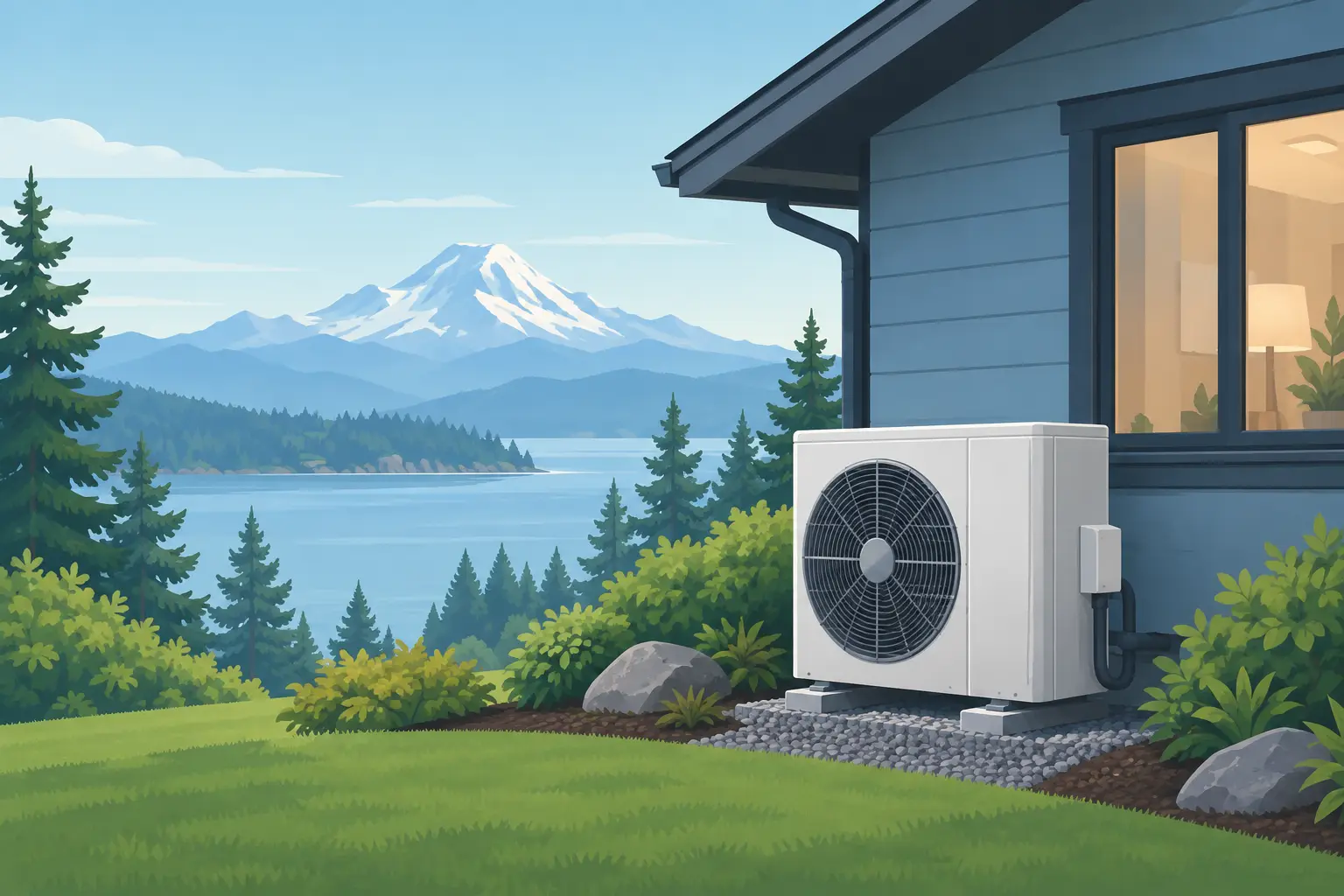
A ductless mini split uses an outdoor heat pump connected to one or more indoor wall-mounted, ceiling-mounted, or concealed air handlers. Each indoor unit serves a specific room or zone. Because it does not need ducts to move air, a mini split is often a strong option for older homes, additions, converted garages, and rooms that never seem to match the rest of the house.
Most ductless systems installed locally are heat pumps, which means they provide both cooling and heating. Central air is cooling-only unless it is paired with a furnace for heat or installed as part of a ducted heat-pump system.
When Central Air Is the Better Fit
Central air often makes practical sense for a home that already has a working furnace and well-designed ductwork. The installation may require adding an outdoor unit, indoor evaporator coil, refrigerant line set, electrical work, and thermostat controls, but the ducts and vents are already in place.
For many homeowners, one of central air's biggest benefits is whole-home coverage from a familiar system. Every room with a supply vent can receive conditioned air, and the equipment stays mostly out of sight. There are no wall-mounted heads in bedrooms or living areas, which can matter to homeowners who prefer a less visible solution.
Central air can also be a good choice when consistent filtration throughout the home is a priority. The central return system can accommodate a properly selected air filter and, in some cases, additional indoor air quality equipment. This is useful for households concerned about dust, pet dander, or seasonal allergens.
That said, central air depends heavily on the condition of the duct system. Leaky, undersized, poorly insulated, or poorly balanced ducts can reduce comfort and waste energy. A home may have a furnace and ducts, but that does not automatically mean central air is the right answer. An HVAC professional should evaluate airflow, duct condition, electrical capacity, insulation, and equipment sizing before recommending a system.
When a Ductless Mini Split Makes More Sense
A ductless mini split is especially useful when adding ducts would be difficult, expensive, or disruptive. Many homes in Washougal, Vancouver, and throughout Clark County have older layouts, baseboard heat, additions, bonus rooms, or finished spaces without existing ductwork. In these cases, a ductless system can deliver efficient comfort without opening walls and ceilings for a full duct installation.
Zoning is another major advantage. With multiple indoor heads, occupants can set different temperatures in different areas. A sunny upstairs bedroom can be cooled without overcooling the first floor. A home office can stay comfortable during the day without conditioning unused rooms to the same level. This targeted control can reduce wasted energy, particularly in homes where only part of the building is occupied at certain times.
Because mini splits are heat pumps, they can provide efficient heating during much of a typical Pacific Northwest winter. For a home with electric resistance heat, a ductless heat pump may significantly improve heating efficiency as well as add air conditioning. Some properties use mini splits as the primary system, while others use them to supplement an existing furnace in hard-to-condition areas.
The trade-off is that indoor units must be placed where they can distribute air effectively. One wall head cannot reliably solve every comfort issue in a closed-off home. Bedrooms with doors shut, long hallways, and multi-level layouts may require multiple zones or a different system design. Indoor units also need regular filter cleaning to maintain airflow and performance.
Installation Cost Depends on the Home, Not Just the Equipment
It is tempting to compare a single advertised system price, but HVAC installation costs are driven by the work required to make the equipment operate correctly. A central air project may be less expensive when suitable ductwork and a compatible furnace are already in place. Costs can rise if ducts need repairs, a furnace needs replacement, electrical service needs upgrading, or airflow problems must be corrected.
A single-zone ductless mini split can be an efficient solution for one room, such as a new addition or converted garage. A multi-zone system serving an entire home is a more involved project. The final cost is affected by the number of indoor units, line-set routes, condensate drainage, electrical work, mounting requirements, and the capacity needed for each area.
The lowest initial quote is not always the lowest-cost choice over time. An oversized system can short-cycle, fail to control humidity well, and wear components faster. An undersized system may run constantly and still leave rooms uncomfortable. Proper load calculations and thoughtful equipment selection are worth more than a quick estimate based only on square footage.
Efficiency and Comfort Are Not the Same Thing
High efficiency ratings are valuable, but they are only part of the decision. A ductless mini split often offers excellent efficiency because it avoids duct losses and allows room-by-room control. Central air can also perform efficiently, especially with sealed, insulated ductwork and properly matched equipment.
Comfort is more personal. Some homeowners prefer the even, less noticeable air distribution of central vents. Others value the direct control and fast response of a mini split in the rooms they use most. Noise, appearance, maintenance habits, and the need for heating all deserve consideration alongside energy use.
Humidity control is another factor. Both systems can remove moisture while cooling, but correct sizing and run time matter. Oversized equipment may cool the air too quickly and shut off before it has removed enough humidity. In a region where damp conditions are common for much of the year, equipment that is properly sized for the building helps create a more comfortable indoor environment.
Heating Matters in Clark County
A central air conditioner does not produce heat. It usually works alongside a gas furnace, electric furnace, or another heating source. That arrangement may be ideal if you have a reliable furnace you plan to keep, especially if your home already has ducts that distribute heat well.
A ductless mini split is generally a heat pump, so it can replace or reduce reliance on electric baseboards, wall heaters, or older inefficient equipment. Modern cold-climate heat pumps can provide useful heat at low outdoor temperatures, although some homes benefit from backup heat during the coldest periods or in rooms beyond the mini split's reach.
For homes considering a furnace replacement and new cooling at the same time, it may also be worth comparing a ducted heat pump system. It uses existing ducts like central air but provides heating and cooling through one heat-pump system. The right path depends on fuel availability, existing equipment condition, duct layout, comfort goals, and project budget.
Maintenance Requirements to Expect
Neither choice is maintenance-free. Central systems need regular filter changes, clear outdoor-unit space, and professional service to check refrigerant performance, electrical components, drainage, and airflow. Ductwork may also need attention if rooms become unevenly heated or cooled.
Mini split owners should clean or wash the indoor filters regularly, typically more often than a standard central filter. The indoor heads, coils, drain lines, and outdoor unit still require professional inspection and cleaning. Neglecting these tasks can lead to reduced airflow, odors, drainage problems, and lower efficiency.
Reliable HVAC solutions begin with correct installation, then continue with routine service. Equipment that receives regular care is more likely to deliver the comfort and efficiency it was designed to provide.
Choosing the Right System for Your Property
Choose central air when your home has sound ductwork, you want unobtrusive whole-home cooling, and you are keeping or replacing a forced-air heating system. Consider ductless mini splits when you need comfort in a room without ducts, want independent temperature zones, or are looking for efficient heating and cooling without major renovation.
Some properties benefit from a combination. A central system may serve the main living areas while a ductless unit handles an addition, upstairs suite, workshop, or persistently warm bedroom. There is no advantage in forcing one type of equipment to solve every problem if a tailored approach will provide better comfort.
A qualified local evaluation can identify duct limitations, calculate the actual heating and cooling load, and clarify which option makes financial sense for your home or business. Creekside HVAC can help Clark County property owners compare systems based on the building, not a one-size-fits-all recommendation. The best next step is choosing equipment that will keep the spaces you use most comfortable through every season.