A failing furnace or an air conditioner that cannot keep up is never convenient. When replacement becomes the practical choice, energy rebates can help reduce the upfront cost of installing efficient heating and cooling equipment. For homeowners, property managers, and small business operators in Clark County, the key is knowing which upgrades may qualify and confirming the requirements before work begins.
Rebates are not a reason to replace equipment that still operates safely and reliably. They are, however, worth considering when an aging system needs frequent repairs, utility bills are climbing, or comfort is inconsistent from room to room. A properly selected heat pump, furnace, or air conditioner can improve day-to-day comfort while creating a potential opportunity for incentive savings.
How Energy Rebates Work for HVAC Equipment
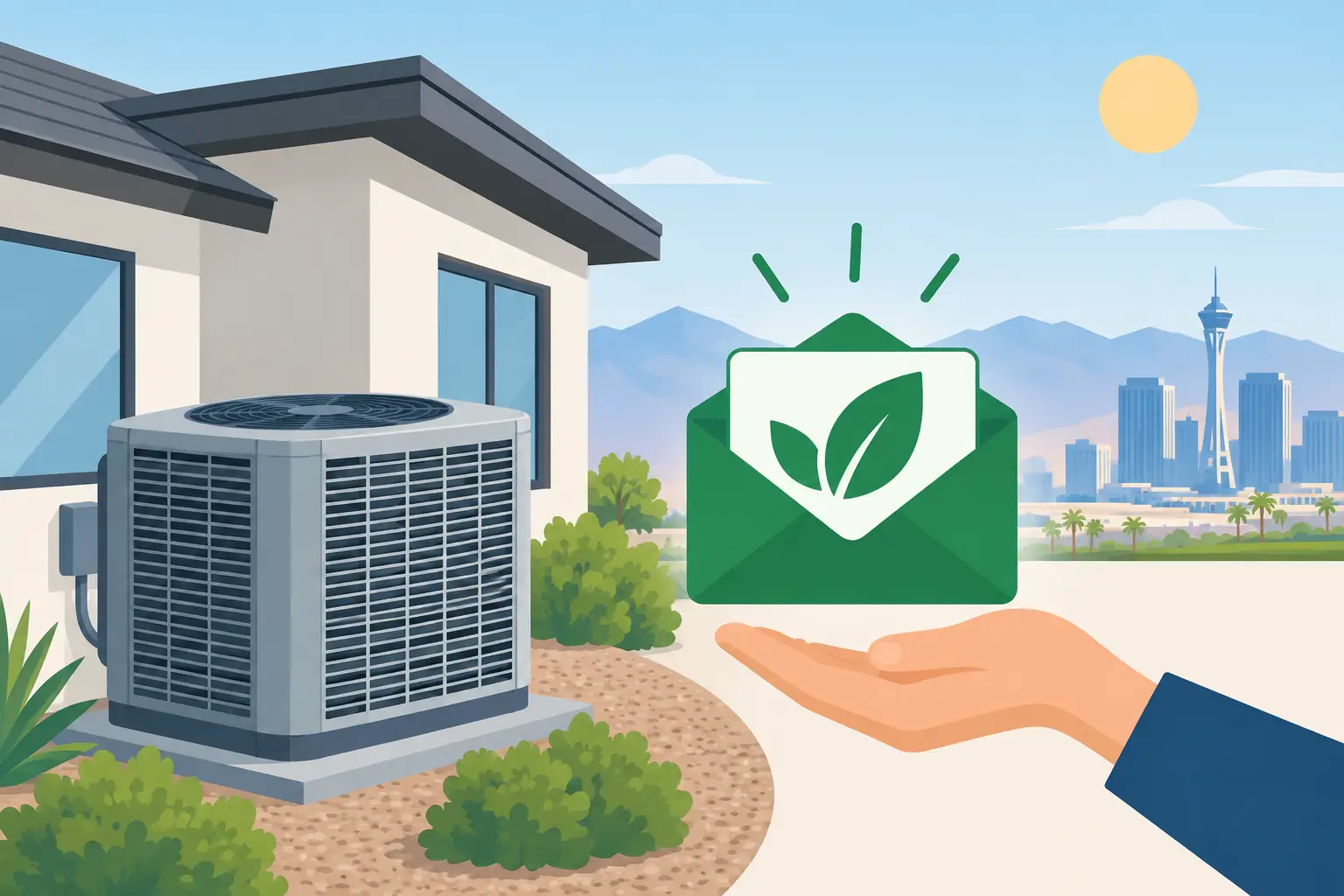
Energy rebates are financial incentives offered by utilities, government programs, manufacturers, or regional efficiency organizations. Their purpose is to encourage the installation of equipment that uses less energy than standard alternatives. Depending on the program, a rebate may be paid after installation, issued as an instant discount, or processed by the contractor as part of the project paperwork.
The amount is rarely based on the equipment price alone. Most programs set eligibility rules around the type of system, its efficiency rating, where it is installed, and whether the customer meets utility or income requirements. Some incentives are available only for replacing electric resistance heat, oil heat, propane, or older gas equipment. Others apply broadly to qualifying high-efficiency systems.
That distinction matters. Two heat pumps may look similar on a proposal, but only one may meet a current program's efficiency threshold. The same is true for furnaces, central air conditioners, smart controls, and water-heating equipment. Before choosing a model based on a rebate amount, confirm that the system fits your home, your electrical capacity, and your long-term heating and cooling needs.
Which HVAC Upgrades May Qualify
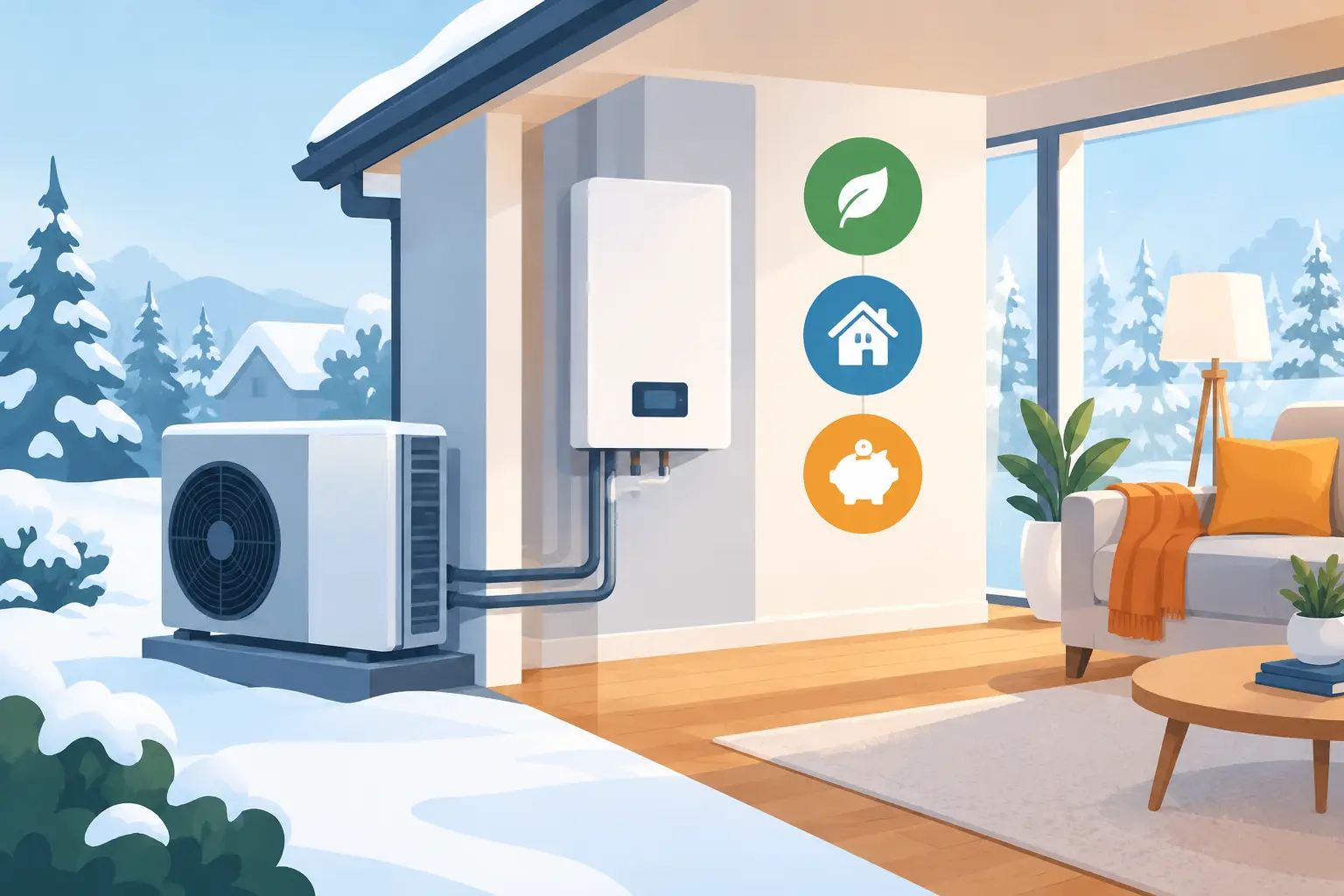
Available programs change, but efficient heat-pump equipment is often a primary focus in the Pacific Northwest. Heat pumps provide both heating and cooling, making them a practical option for many Southwest Washington homes. Rather than generating heat through combustion or electric resistance elements alone, a heat pump transfers heat. That can deliver efficient comfort through much of the year when the system is correctly sized and installed.
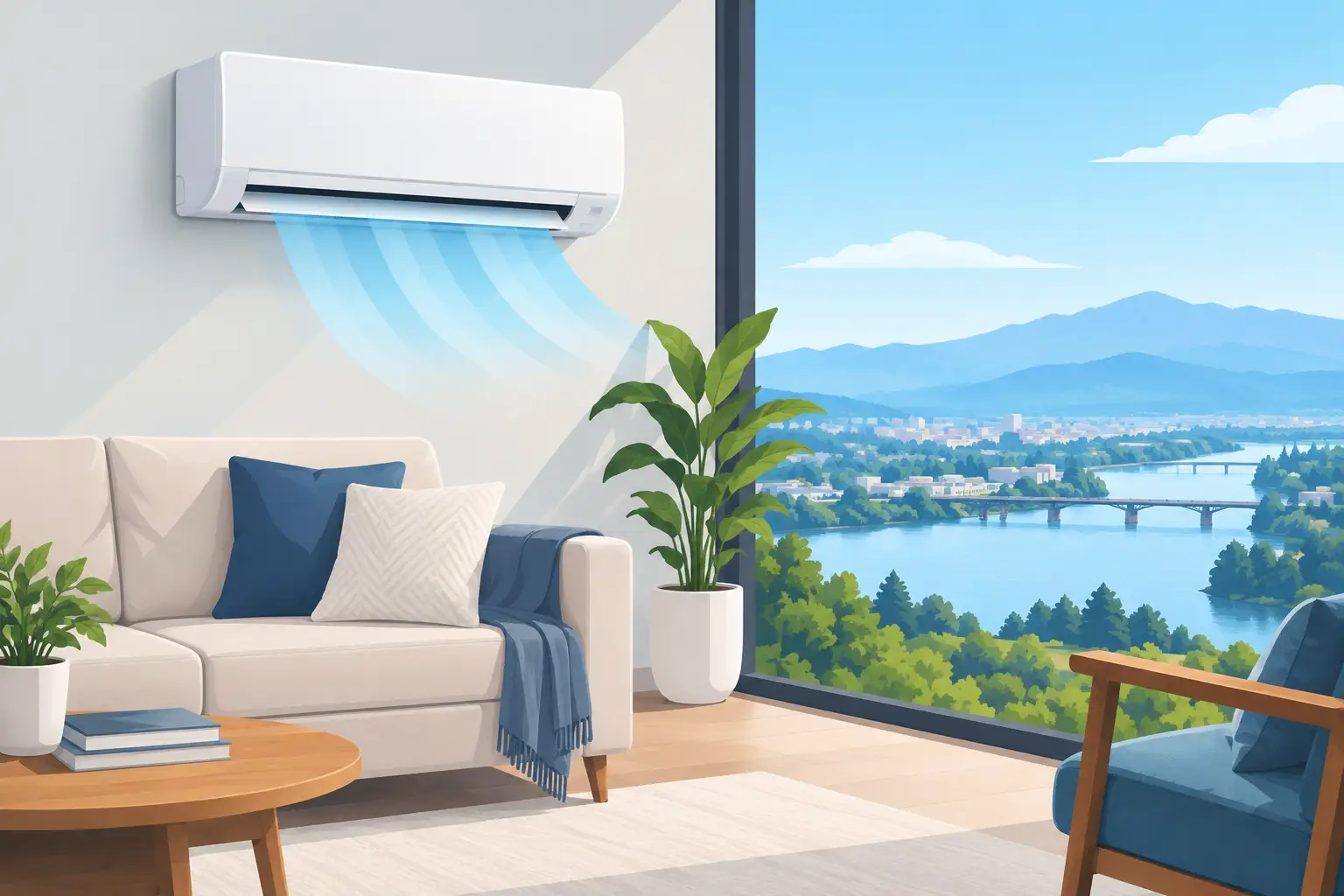
A ducted heat pump may be a good fit for a home with usable existing ductwork. Ductless systems can make sense for additions, garages, smaller homes, or spaces without ducts. The right choice depends on the layout, insulation levels, existing system condition, and how each area of the building is used.
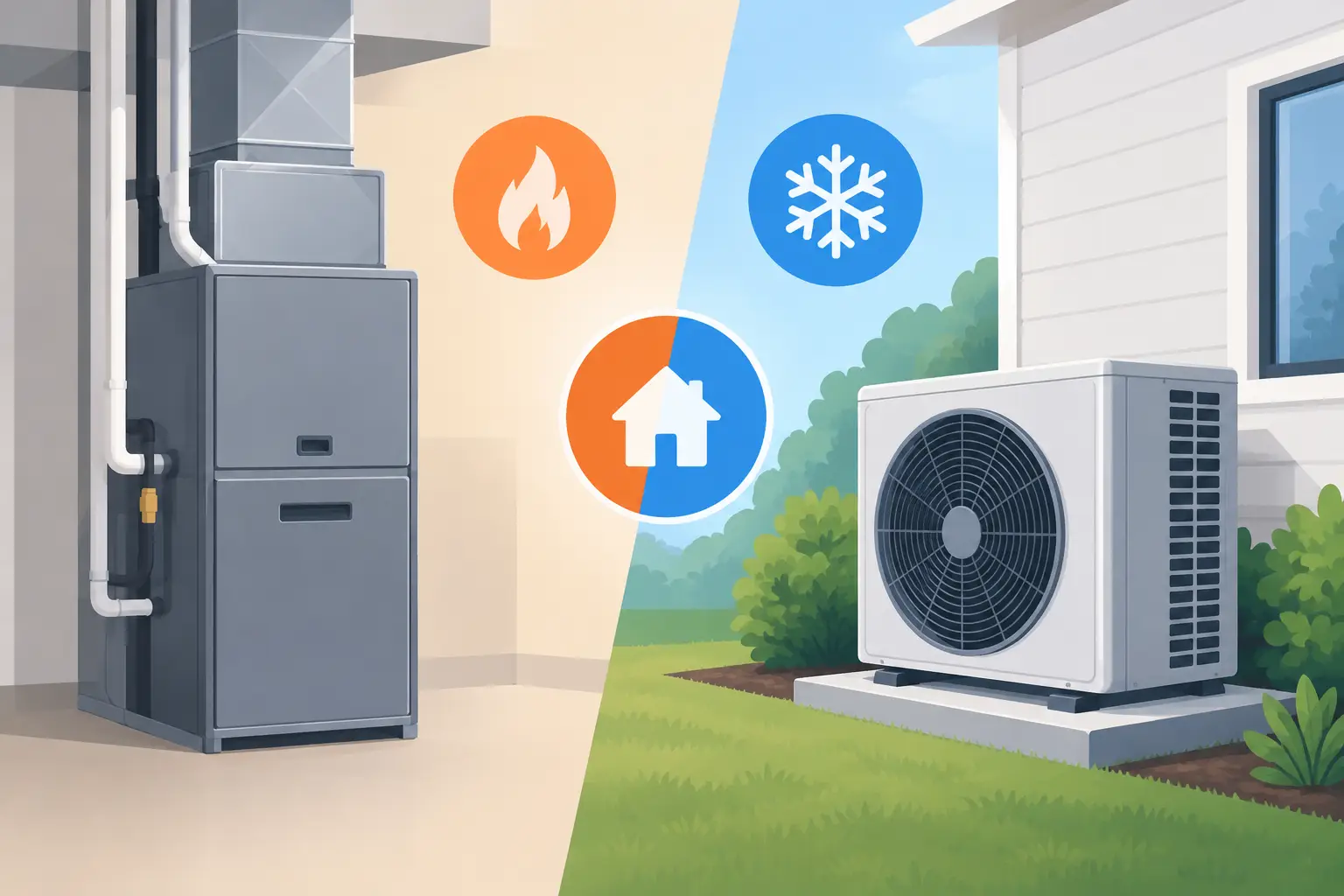
High-efficiency furnaces may also qualify under certain utility or manufacturer programs. A furnace remains a strong option for homes with natural gas service and a sound duct system, particularly when replacing older equipment. In some cases, a dual-fuel setup that combines a heat pump with a gas furnace can offer flexibility during colder weather. It is not automatically the best option for every property, but it can be worth discussing when comfort preferences, fuel costs, and existing equipment point in that direction.
Other upgrades may be eligible as part of a larger project. These can include qualifying central air conditioners, heat-pump water heaters, thermostats, duct improvements, electrical upgrades, or insulation measures. Each program treats these items differently, so do not assume that every efficiency-related improvement receives a rebate.
Efficiency Ratings Are Only Part of the Decision
Heating and cooling equipment comes with ratings such as SEER2, HSPF2, AFUE, and EER2. Higher ratings generally indicate greater efficiency under standardized testing conditions. But the highest rating on a brochure is not always the best value for a specific property.
A system must be properly sized, installed, charged, and commissioned to perform as expected. Oversized equipment can short-cycle, wear components faster, and leave humidity control uneven during cooling season. Undersized equipment may struggle during temperature extremes. Duct leakage, poor airflow, and an aging electrical panel can also affect real-world performance.
That is why a professional assessment should come before selecting equipment around an advertised rebate. The incentive is helpful, but dependable comfort and reliable operation should remain the priority.
What to Confirm Before You Apply
Many missed rebate opportunities come down to timing. Some programs require approval before installation, while others require forms, invoices, model numbers, or proof of purchase after the work is complete. Starting a project before checking the rules can make an otherwise eligible installation ineligible for payment.
Before moving forward, confirm these details with the program administrator or your HVAC professional:
- The equipment type and exact model meet the current efficiency requirements.
- Your home or business is served by the utility or provider offering the incentive.
- The installation must be completed by a qualified contractor, if the program requires it.
- Any application, pre-approval, inspection, or income-verification steps are completed on time.
- Required documents, including invoices and AHRI or manufacturer information, will be available for submission.
Program terms can change due to funding levels, seasonal demand, or updated efficiency standards. A rebate that was available last year may be reduced, paused, or replaced. Conversely, a new incentive may become available after a utility updates its offerings. Verify current details rather than relying on a neighbor's experience or an older online estimate.
Rebates, Tax Credits, and Financing Are Different
People often use these terms interchangeably, but they affect your project budget in different ways. A rebate is generally a direct incentive that lowers the net cost of qualifying equipment. A tax credit may reduce your federal tax liability if you meet the applicable requirements and retain the necessary documentation. Financing spreads the cost of a project over time, with terms that vary by lender and program.
In some situations, these options may be combined. In others, one incentive may affect eligibility for another. Homeowners should also understand that a tax credit is not the same as a cash payment and may not provide an immediate discount at installation. A tax professional can help answer questions about your individual tax situation.
For a commercial property, the calculation can be different again. Equipment use, ownership structure, depreciation, lease arrangements, and utility account details can all affect which incentives are available. Property managers and business owners should gather program information early, especially when planning a larger replacement project across multiple units or spaces.
When a Repair Still Makes More Sense
An available rebate does not mean replacement is automatically the right call. If your furnace, air conditioner, or heat pump needs a straightforward repair and has years of expected service life remaining, repair may be the sensible choice. This is especially true when the repair addresses a single component and the system has been maintained well.
Replacement becomes more compelling when repairs are frequent, major components have failed, efficiency is poor, or the equipment uses outdated refrigerant. It may also make sense when comfort problems are tied to an improperly sized or poorly designed system rather than a repairable fault.
A clear repair-versus-replacement discussion should include more than the rebate amount. Consider the equipment's age, repair history, estimated repair cost, operating efficiency, warranty status, and the condition of ducts and controls. A local HVAC contractor should be able to explain the trade-offs without pressuring you toward equipment that does not fit the property.
Plan Early for a Better Upgrade
The best time to investigate energy rebates is before an emergency replacement. A furnace failure in the middle of a cold spell or an AC breakdown during a heat wave can narrow your options. With a little planning, you have more time to compare equipment, review incentives, and make decisions based on comfort and operating costs rather than immediate urgency.
For homes and businesses in Washougal, Vancouver, and throughout Clark County, Creekside HVAC can help assess your current system and explain practical options for efficient replacement. Bring any rebate information you have to the conversation, and make sure the proposed equipment, installation scope, and required documentation align before the work is scheduled.
A well-planned HVAC upgrade should leave you with more than a rebate confirmation. It should provide dependable heating, effective cooling, and confidence that your equipment is ready for the seasons ahead.