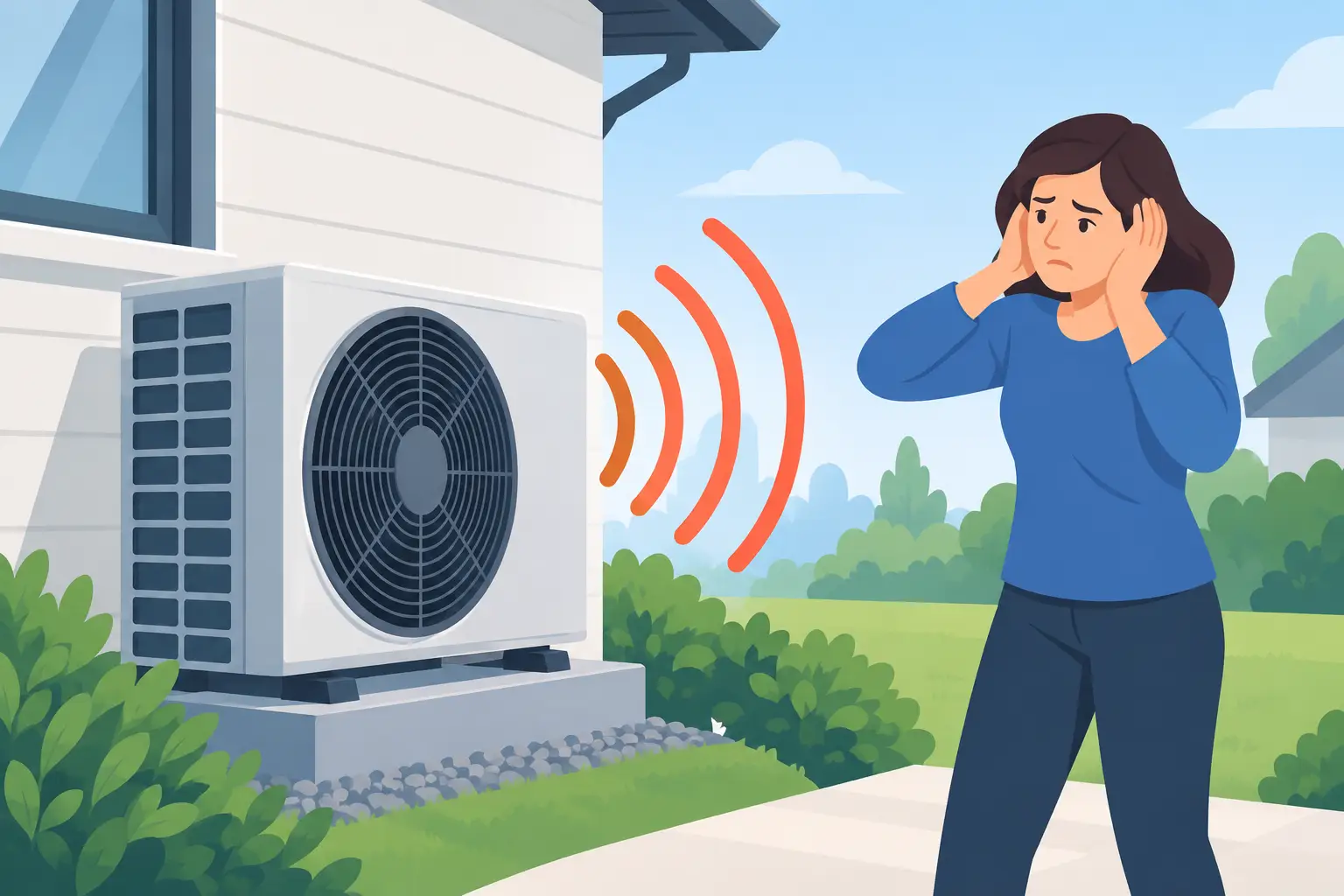
A heat pump making loud noise is more than an annoyance when you are trying to heat or cool your home. The sound can be a normal part of operation, particularly during a defrost cycle, but sharp banging, grinding, squealing, or persistent rattling can point to a problem that should not wait. Knowing the difference helps protect your comfort, your equipment, and your repair budget.
In Washougal, Vancouver, and throughout Clark County, heat pumps work through wet winters, temperature swings, and warm summer days. That year-round workload means unusual sounds deserve attention before a small mechanical issue turns into a no-heat or no-cooling call.
Why Is Your Heat Pump Making Loud Noise?
Heat pumps are not silent. You may hear the outdoor unit's fan, the compressor starting, airflow through indoor ducts, or a brief whoosh when the system shifts into defrost mode. Those routine sounds are generally steady, short-lived, and do not affect comfort.
A loud or new sound is different. It may occur only while heating, only in cooling mode, at startup, or whenever the outdoor unit runs. The timing matters because it helps narrow down whether the issue involves the fan, compressor, refrigerant system, electrical components, ductwork, or a loose cabinet panel.
Do not assume a loud system will correct itself. Heat pumps have moving parts and electrical controls that operate under load. Continuing to run equipment with a failing component can cause additional damage, especially if the problem involves the compressor or outdoor fan motor.
Rattling or Vibrating
Rattling is often caused by something loose. A cabinet screw, access panel, refrigerant line, mounting hardware, or debris around the outdoor unit can vibrate as the equipment runs. Outdoor units can also transfer vibration into a deck, wall bracket, or pad if the base is uneven or a vibration isolator has worn out.
A light rattle may have a straightforward repair, but a strong vibration should be inspected. Excess movement can stress refrigerant lines and electrical connections over time. If the outdoor unit visibly shakes, turn the system off and schedule heat-pump service rather than trying to hold panels or components in place yourself.
Banging, Clanking, or Metallic Striking
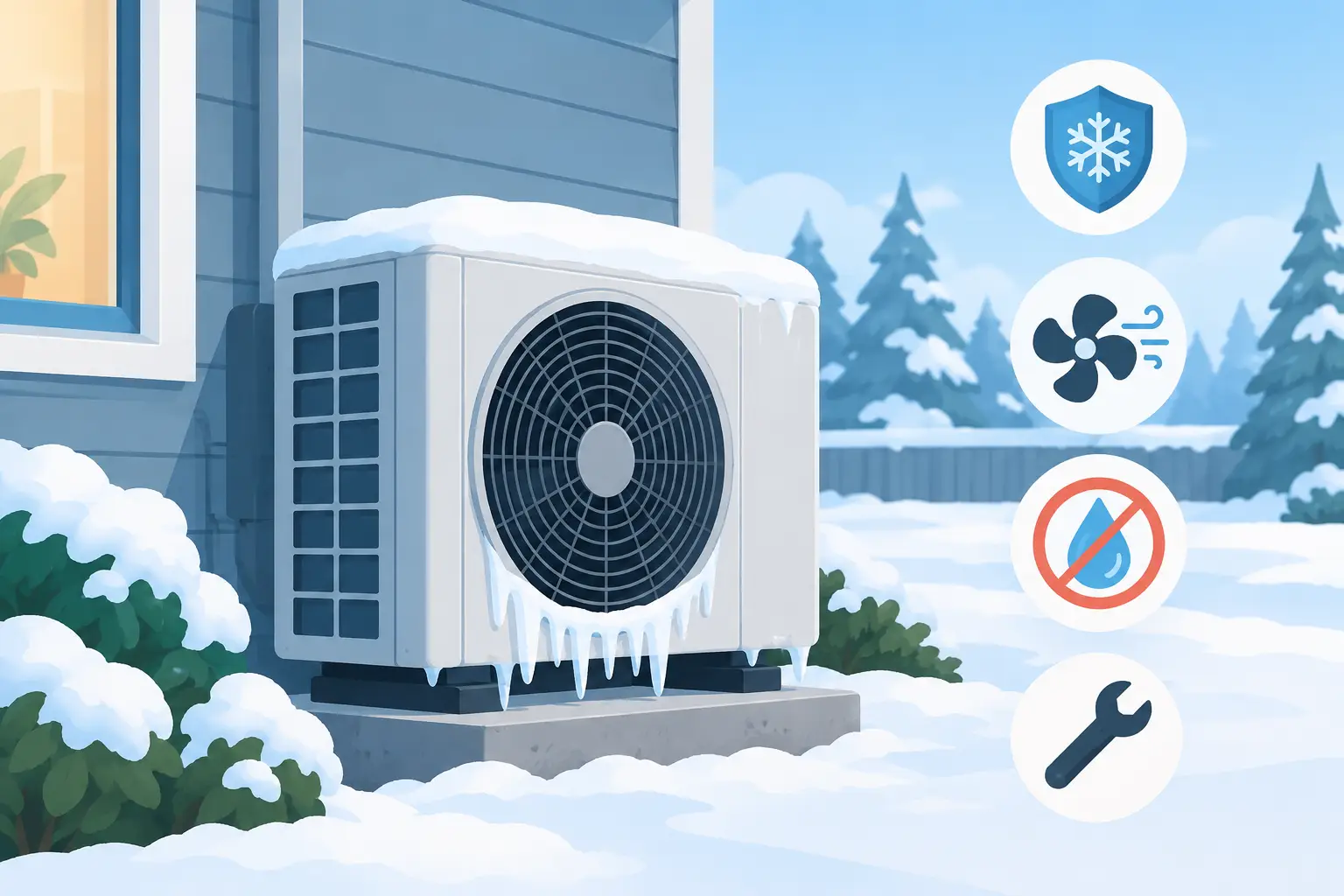
Banging and clanking typically call for faster attention. A loose fan blade, damaged blower wheel, failing motor mount, or loose internal component can strike the cabinet as it spins. Ice buildup around the outdoor fan can also create a knocking sound during cold weather.
Never reach into an outdoor unit or chip at ice with a tool. The fan can start unexpectedly, and coils or wiring can be damaged easily. If ice is blocking the fan or the unit is repeatedly freezing over, the system may have a defrost, airflow, or refrigerant-related issue that needs professional diagnosis.
Grinding or Scraping
Grinding is not a normal heat-pump sound. It can indicate worn motor bearings, a failing fan motor, or a blower assembly problem. Scraping may mean a fan blade or blower wheel is rubbing against a housing.
These conditions can worsen quickly. Shut the system down if grinding is loud, continuous, or accompanied by poor airflow. Running a motor until it fails can turn a targeted repair into a larger service call and may leave your home without reliable heating or cooling.
Squealing or Screeching
A high-pitched squeal can come from a struggling blower motor, worn bearings, or a belt issue in certain air-handler configurations. It may be most noticeable when the system first starts or when the indoor fan changes speed.
Because modern heat pumps use different equipment designs, the source is not always obvious from sound alone. A technician can check the indoor blower, outdoor fan motor, electrical components, and controls to identify the actual cause instead of replacing parts based on a guess.
Hissing, Bubbling, or Whistling
A brief hiss during a defrost cycle may be normal. Continuous hissing, bubbling, or a new whistling sound deserves a closer look. These noises can be associated with refrigerant movement, a refrigerant leak, a metering device issue, or air escaping from ductwork.
Refrigerant work requires trained handling and proper testing. If the heat pump is hissing and also produces weak heating, weak cooling, ice on the coil, or unexpectedly high energy use, arrange service promptly. Adding refrigerant without finding the reason for a loss does not solve the underlying problem.
When a Loud Heat Pump Is an Urgent Problem
Some heat-pump noises are clear signs to stop operation and call for expert heating and cooling services. Turn the system off at the thermostat and use the breaker only if necessary and safe to do so when you notice a burning smell, smoke, sparking, repeated breaker trips, loud electrical buzzing, or severe metal-on-metal grinding.
A loud buzzing can sometimes come from a failing contactor, capacitor, transformer, or compressor. Electrical problems should not be ignored or investigated by removing equipment panels. Heat pumps contain high-voltage components, and a professional diagnosis is the safe choice.
You should also act quickly if the system is loud and not maintaining temperature. In a Clark County cold snap, an outdoor unit that is frozen, banging, or unable to complete a defrost cycle can leave the home relying on costly backup heat or without enough heat altogether.
Safe Checks You Can Make Before Calling
A homeowner can make a few basic observations without opening the unit or touching electrical components. First, note where the noise comes from: the outdoor unit, indoor air handler, supply vents, or ductwork. Next, note when it starts and whether heating or cooling performance has changed.
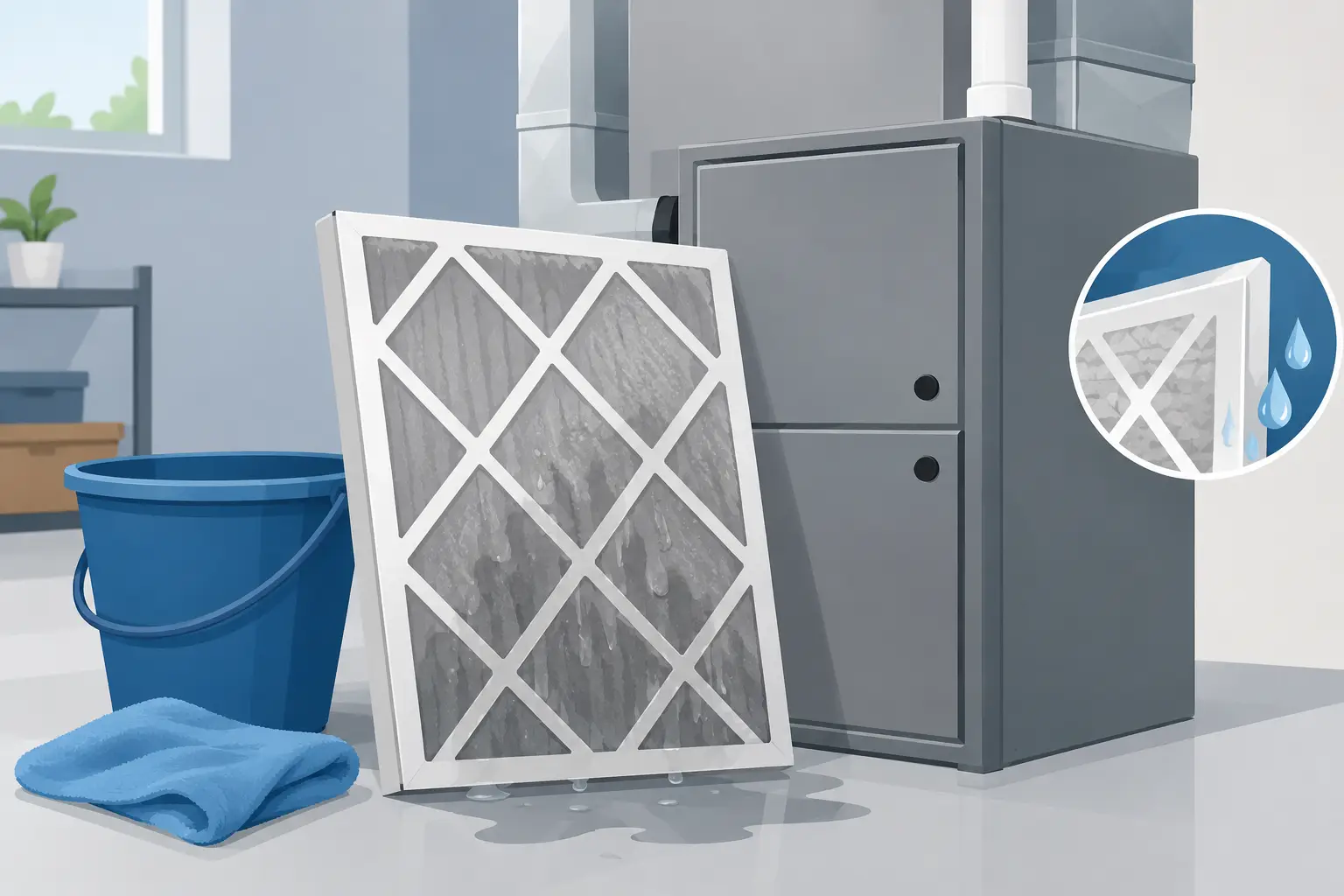
Check that the outdoor unit has clear space around it. Leaves, branches, loose objects, or snow accumulation can interfere with airflow and create noise. Look for obvious loose exterior panels, but do not remove them. Indoors, make sure the return-air filter is clean and correctly installed. A severely restricted filter can strain airflow and contribute to unusual indoor blower sounds.
If you have recently had a storm, landscaping work, or construction near the unit, mention that when scheduling service. Those details can help identify whether debris, impact damage, or a shifted pad is involved.
Avoid repeatedly turning the heat pump on and off to see if the noise returns. Short cycling equipment can add stress, and a failing component may be damaged further each time it starts.
What a Professional Heat-Pump Inspection Includes
A proper service visit focuses on the cause of the sound, not just quieting it temporarily. A technician will inspect mounting and cabinet condition, fan blades, motors, electrical connections, controls, airflow, drainage, and defrost operation. Depending on the symptoms, the inspection may also include refrigerant performance checks and testing for compressor concerns.
The right repair depends on what is found. Tightening a panel, clearing debris, replacing a worn motor, correcting a fan issue, or repairing a damaged electrical component are very different jobs with different costs and urgency. If an older system has a major compressor issue, the technician can explain the repair-versus-replacement trade-off based on equipment age, condition, efficiency, and expected reliability.
For property managers and small business owners, prompt diagnosis matters just as much. Loud equipment can disrupt tenants, customers, and staff, while an unexpected failure can affect operations. Documenting the sound, operating conditions, and any comfort complaints gives your HVAC provider useful information from the start.
Preventing New Heat-Pump Noises
Not every repair can be prevented, but routine maintenance reduces the chances of hearing a problem first. Seasonal service gives a technician the opportunity to check fasteners, motors, fan assemblies, coils, condensate drainage, electrical components, and system performance before heavy heating or cooling demand arrives.
Between visits, keep the outdoor unit clear, replace filters on schedule, and pay attention to changes in sound or runtime. A heat pump that has always produced a steady operating hum should not suddenly start rattling, shrieking, or grinding.
If your heat pump is making a loud noise in Washougal, Vancouver, or the surrounding Clark County area, Creekside HVAC can help identify the cause and recommend a practical repair. A timely service call can often restore quiet operation before the issue affects the comfort you depend on at home or work.