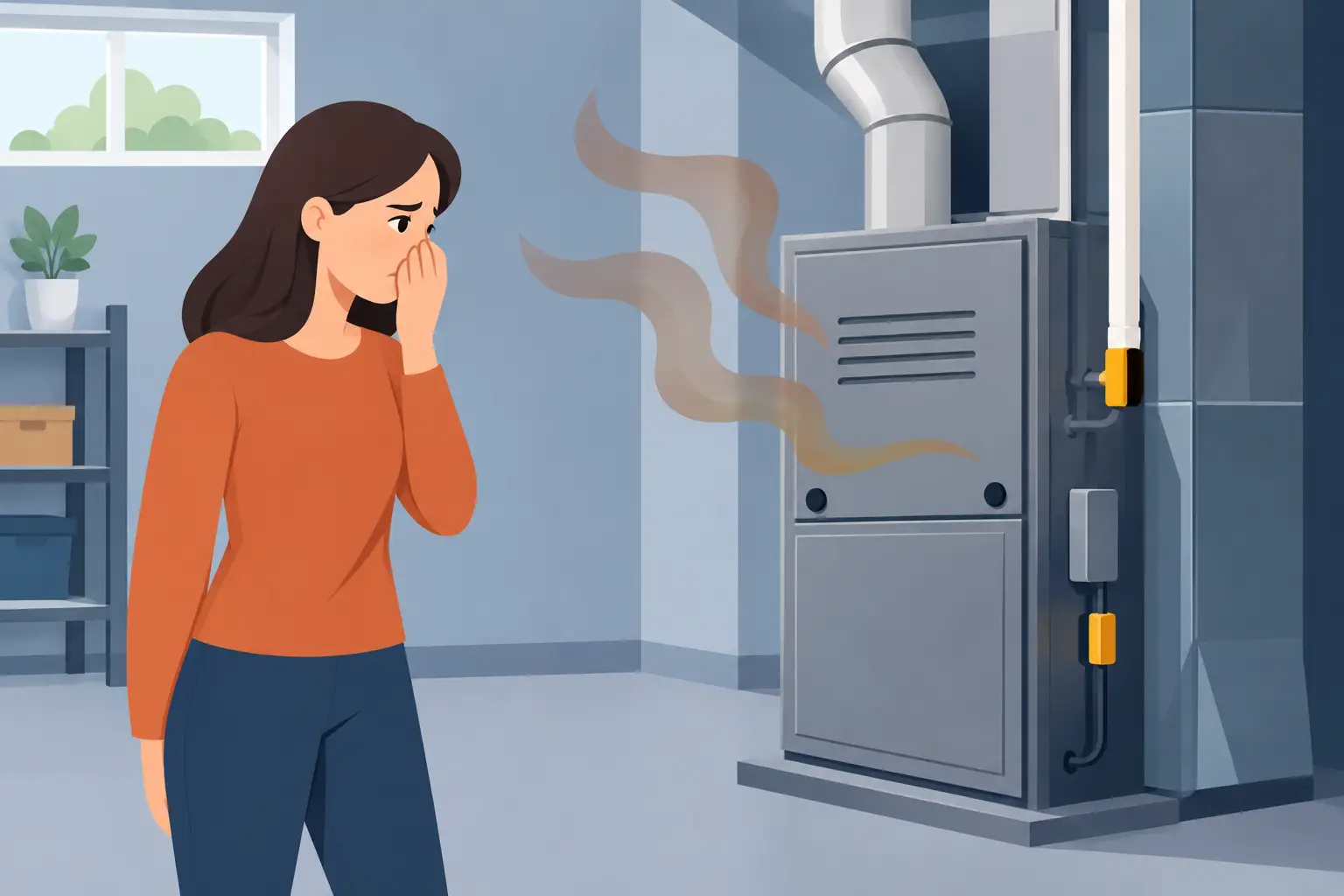
A burning smell from your furnace can make a normal heating cycle feel like an emergency. If you are asking, why does furnace smell burning, the answer may be as simple as dust on the system - or it may point to an electrical, mechanical, or combustion problem that needs professional attention. The key is knowing what the odor resembles, how long it lasts, and whether it comes with other warning signs.
For homeowners and property managers in Washougal, Vancouver, and across Clark County, do not ignore a smell that is strong, persistent, or accompanied by smoke, unusual noises, or a furnace that will not operate normally. Turn the system off and arrange an HVAC inspection.
Why Does a Furnace Smell Burning When It First Turns On?
The most common and least concerning explanation is dust. During the warmer months, dust settles on the heat exchanger, burners, blower components, and nearby surfaces. When the furnace runs for the first time in fall or after a long break, that dust burns away.
This odor is usually dry and dusty rather than sharp or chemical-like. It should fade within a few heating cycles, often within 15 to 30 minutes of operation. Opening a window briefly can help clear the smell, but do not leave the furnace running unattended if the odor seems unusually heavy.
A dusty startup smell is normal only when it disappears quickly and the furnace otherwise runs as expected. If the smell returns every time the equipment starts, grows stronger, or continues for hours, there may be more than dust involved.
Burning Odors That Require Attention
Not every burning smell is the same. A homeowner does not need to diagnose the equipment, but recognizing the general type of odor can help you decide whether to shut the system down immediately.
Burning plastic, rubber, or electrical insulation
A sharp smell similar to melting plastic, hot rubber, or overheated wiring is a reason to turn the furnace off at the thermostat and, if safe to do so, at the electrical disconnect or breaker. This can indicate an overheating motor, failing capacitor, damaged wiring, a worn belt on an older system, or another electrical component under stress.
Do not keep restarting the furnace to see whether the smell goes away. Electrical faults can damage the equipment and may present a fire risk. A qualified heating technician should inspect the wiring, blower assembly, control board, and other electrical components before the system is used again.
Burning oil or smoke
If you see smoke from supply vents, around the furnace cabinet, or near the flue, shut the system off immediately. Smoke is not a normal part of furnace operation. If there is an active fire or you believe there is immediate danger, leave the building and call emergency services.
A burning-oil odor can occur with oil-fired equipment, but it can also be confused with smoke from a nearby source. Either way, visible smoke or a strong acrid odor calls for prompt professional evaluation.
A musty or dirty burning smell
Sometimes the furnace itself is not burning. A clogged filter, debris near the return air grille, pet hair in ductwork, or dust on internal components can create a stale, dirty odor when warm air begins moving through the home.
Start by checking the air filter. A heavily loaded filter restricts airflow, makes the furnace work harder, and can contribute to overheating. Replace it with the correct size and type recommended for your system. If the odor remains, the furnace may need cleaning or service.
A burning smell with poor airflow or loud operation
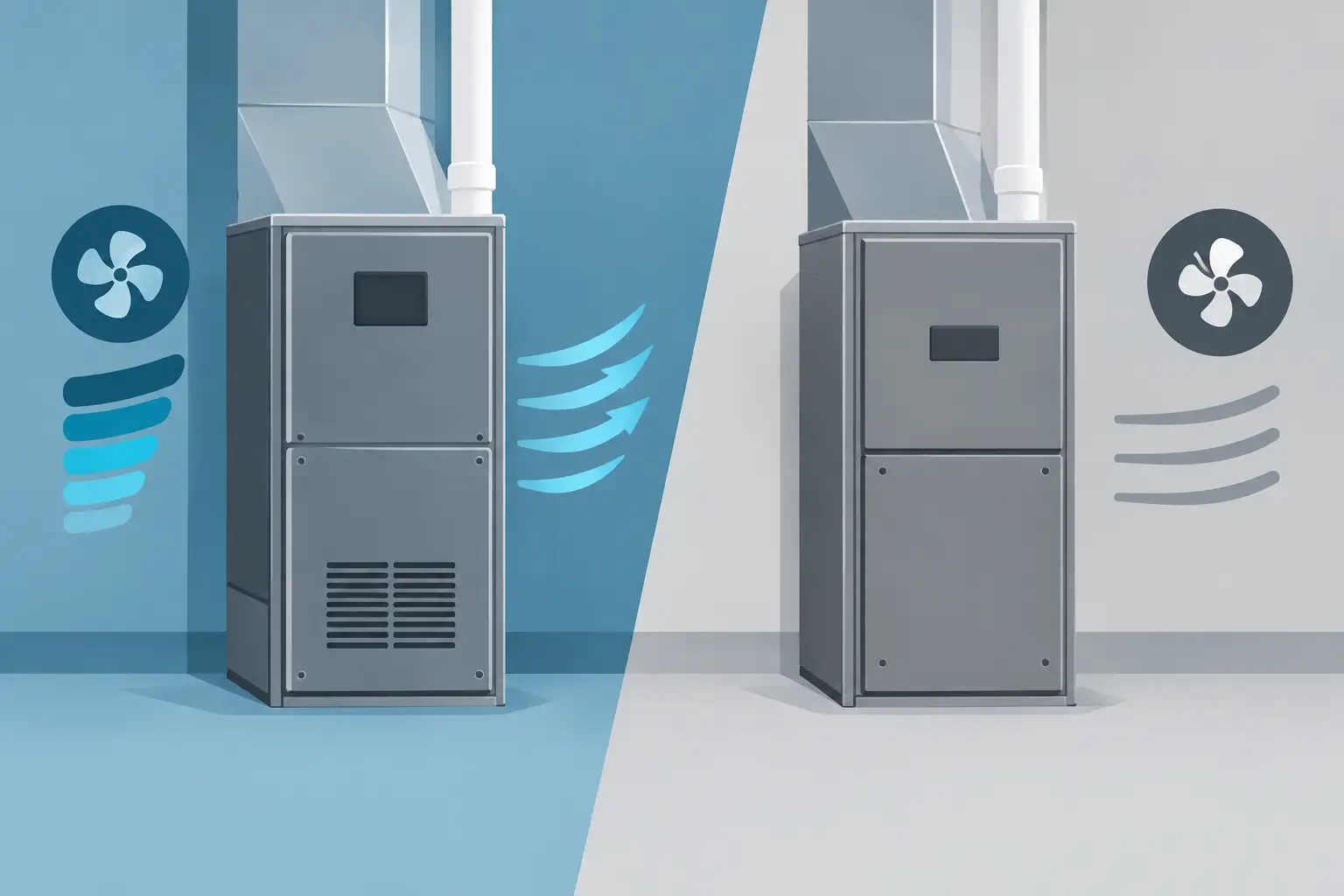
Weak airflow, a rattling sound, frequent cycling, or a furnace that shuts down before reaching the thermostat setting can signal an overheating issue. Restricted airflow is a common cause, but a failing blower motor, dirty evaporator coil, blocked vents, or safety-control problem may also be involved.
Keep registers open and clear of furniture, rugs, and storage. Then schedule service rather than forcing the system to continue operating. A furnace safety limit may shut the burners down when it detects excessive heat, but that does not correct the underlying problem.
What to Do When Your Furnace Smells Like It Is Burning
Your response should match the severity of the odor. A light dust smell during the first seasonal use can be monitored. Anything resembling hot wiring, melting material, smoke, or a strong unexplained odor should be treated more cautiously.
First, turn off the heating cycle at the thermostat. If you notice smoke, sparking, or a strong electrical odor, turn off power to the furnace only if you can do so safely. Avoid removing access panels or touching wiring, burners, or hot metal surfaces.
Next, check for obvious airflow issues. Confirm that the filter is clean, supply registers are open, and return grilles are not blocked. These simple checks can prevent unnecessary strain, but they are not a substitute for a furnace inspection when the odor is concerning.
If the smell is limited to dust and fades quickly, monitor the next cycle. If it persists beyond the first day of use, contact a heating professional. Waiting can turn a minor maintenance issue into a failed motor, damaged control component, or a complete no-heat call during cold weather.
Do Not Confuse a Burning Smell With a Gas or Carbon Monoxide Concern
Natural gas itself is odorless, but utility providers add a sulfur-like odorant so people can identify a leak. If you smell rotten eggs, sulfur, or gas, do not operate electrical switches, light a flame, or start the furnace. Leave the building, call your gas utility or emergency services from a safe location, and follow their instructions.
Carbon monoxide has no smell at all. That is why working carbon monoxide detectors are essential in homes with gas furnaces, fireplaces, or other fuel-burning appliances. If a carbon monoxide alarm sounds, move everyone outside immediately and contact emergency services. Do not reenter until the property has been cleared.
A furnace can also produce unusual combustion odors when burners are dirty, the venting system has a problem, or combustion is incomplete. These concerns require professional testing and should not be handled as a do-it-yourself repair.
Preventing Furnace Odors Before Heating Season
Annual furnace maintenance is the most practical way to reduce surprise odors and heating failures. During a professional tune-up, a technician can inspect the burners, heat exchanger area, blower system, electrical connections, condensate components where applicable, filter condition, venting, and safety controls.
Between visits, replace filters on schedule and keep the area around the furnace clear. Do not store paint, gasoline, cleaning chemicals, cardboard, or other combustible materials beside heating equipment. Keep outdoor intake and exhaust terminations clear of leaves, snow, nests, and other obstructions, especially during changing Pacific Northwest weather.
For commercial property managers, regular filter changes and seasonal service are particularly important. Higher occupancy, longer operating hours, and more frequent door traffic can add dust and strain to a heating system faster than in a typical home.
When to Call for Furnace Repair
Call for furnace repair right away if a burning smell does not disappear quickly, returns repeatedly, smells electrical, or comes with poor performance. The same is true if your furnace trips a breaker, makes grinding or buzzing noises, blows cool air, cycles on and off frequently, or shows signs of smoke.
A trusted local HVAC company can identify whether the problem is a simple maintenance need or a repair involving the blower motor, electrical system, burners, controls, or airflow. Creekside HVAC provides expert heating and cooling services for homeowners and businesses throughout Washougal, Vancouver, and Clark County.
A furnace should provide steady, safe heat without making you question the air in your home. When an odor feels out of the ordinary, trust that instinct, shut the system down when needed, and have it checked before the next cold night makes reliable heat non-negotiable.