A heating or cooling system should run long enough to bring your home to the thermostat setting, then rest until the temperature changes again. If it starts, shuts off after a few minutes, and repeats that pattern, it is short cycling. Understanding the top causes of HVAC short cycling can help you protect your comfort, energy costs, and equipment before a small concern becomes a larger repair.
Short cycling is more than an annoying sound from the utility room or outdoor unit. Frequent starts are hard on motors, compressors, igniters, and electrical components. In Clark County, where a heat pump or furnace may see frequent use through long damp heating seasons, correcting the cause promptly can prevent unnecessary wear and reduce the risk of an untimely breakdown.
What HVAC Short Cycling Looks Like
Most systems run in cycles that commonly last 10 to 20 minutes, although outdoor temperature, system size, insulation, and thermostat settings all affect that timing. A very mild day may naturally produce shorter cycles. The concern is a system that repeatedly shuts down after two to five minutes without properly heating or cooling the space.
You may also notice uneven room temperatures, weak airflow, a sudden increase in utility bills, or air that never seems to reach the temperature selected on the thermostat. A furnace may light briefly and shut down. An air conditioner or heat pump may start its outdoor unit, stop, and start again soon afterward.
Do not keep adjusting the thermostat up and down to force a longer run. That will not correct the underlying issue and can make the system work harder. If the unit trips a breaker, produces a burning smell, makes loud mechanical sounds, or has ice on refrigerant lines, turn it off and arrange professional service.
Top Causes of HVAC Short Cycling
A dirty air filter or restricted airflow
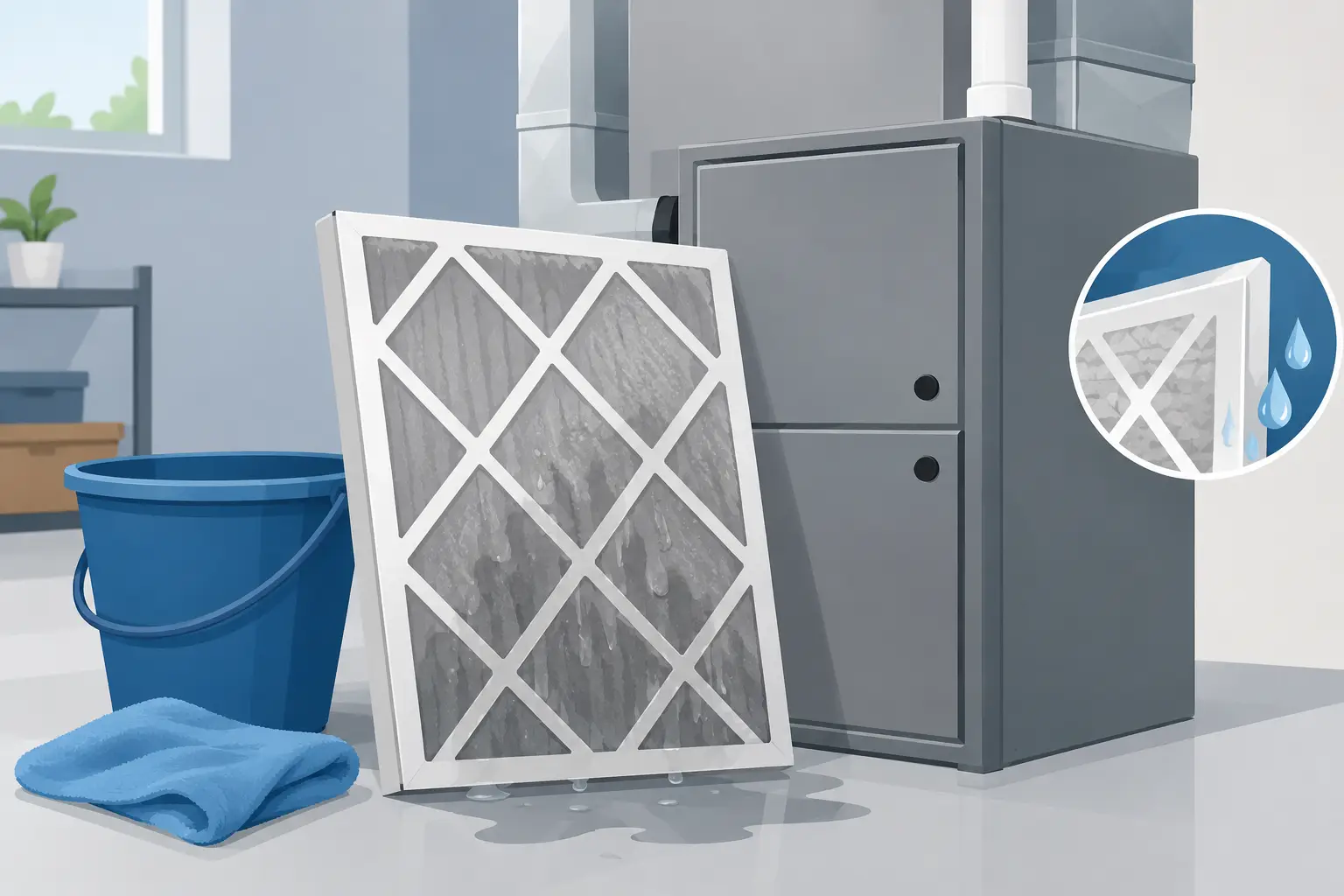
A clogged filter is one of the simplest and most common reasons for short cycling. Your system needs sufficient airflow across its indoor coil or heat exchanger. When a filter is heavily loaded with dust, pet hair, or construction debris, heat can build up inside a furnace and trigger its safety limit switch. The furnace shuts down to avoid overheating, then restarts after it cools.
In cooling mode, restricted airflow can cause the indoor evaporator coil to become too cold and freeze. The system may then shut down or operate poorly while the coil thaws. Closed supply registers, blocked return vents, dirty blower components, and damaged ductwork can create similar symptoms.
Check the filter first, but use the correct size and type specified for the equipment. A very restrictive filter can also reduce airflow if the system was not designed for it. Replacing a dirty filter is good maintenance, but repeated short cycling after a filter change deserves a full diagnostic visit.
A thermostat in the wrong location or a faulty thermostat
The thermostat decides when your HVAC system starts and stops. If it is installed near a kitchen, fireplace, sunny window, exterior door, or supply register, it may sense temperatures that do not reflect the rest of the home. For example, sunlight can warm the thermostat quickly in winter, causing the furnace to shut off while bedrooms still feel cool.
Thermostats can also fail. Loose wiring, a weak battery in some models, calibration problems, and communication faults with smart thermostats can send inaccurate signals to the equipment. This is particularly likely if short cycling began after a thermostat replacement or electrical work.
Before assuming the thermostat is the issue, verify that its temperature setting and mode are correct. Then let a qualified technician test the thermostat signal and related wiring. Replacing a thermostat without confirming compatibility can create new problems, especially with variable-speed furnaces and heat pumps.
An oversized heating or cooling system
A system that is too large for the building can heat or cool the thermostat area very quickly, then shut off before circulating conditioned air throughout the space. Oversizing may sound beneficial, but more capacity is not always better. Short run times can leave rooms uneven, limit dehumidification during cooling season, and add stress through repeated starts.
This issue sometimes appears after a new installation, a major remodel, or changes to insulation and windows. It can also affect commercial spaces where occupancy, equipment loads, or room layouts have changed. The proper solution depends on the situation. It may involve adjusting airflow, zoning, thermostat placement, ductwork, or, in some cases, evaluating whether the equipment was sized correctly.
A professional load calculation considers square footage, ceiling height, insulation, windows, sun exposure, duct design, and local climate. It is more reliable than selecting equipment based only on the size of the previous unit.
Low refrigerant or a refrigerant leak
Air conditioners and heat pumps rely on a precise refrigerant charge to transfer heat. When refrigerant is low, often because of a leak, the system may struggle to complete a normal cooling or heating cycle. The indoor coil can freeze, pressures can move outside the expected range, and protective controls may shut the equipment down.
Possible signs include reduced cooling, ice on the refrigerant line or indoor coil, hissing sounds, and longer periods of poor performance before short cycling becomes obvious. A heat pump may show these symptoms in either heating or cooling mode.
Refrigerant is not a routine consumable that simply needs to be topped off. If the charge is low, the source of the leak should be identified and repaired whenever possible. A trained HVAC technician can measure system pressures, inspect components, repair the issue, and recharge the system to manufacturer specifications.
A dirty outdoor coil or outdoor unit problem
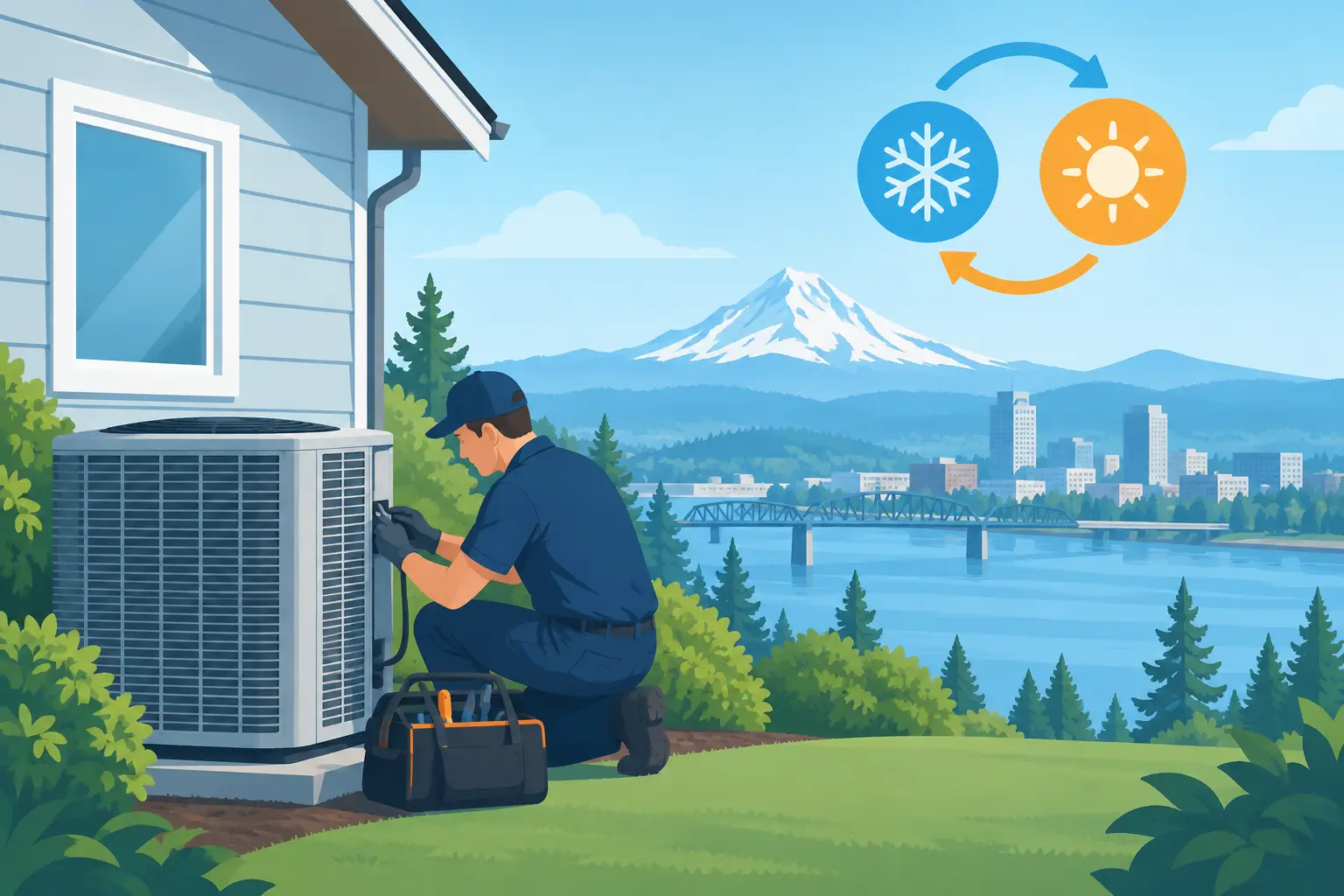
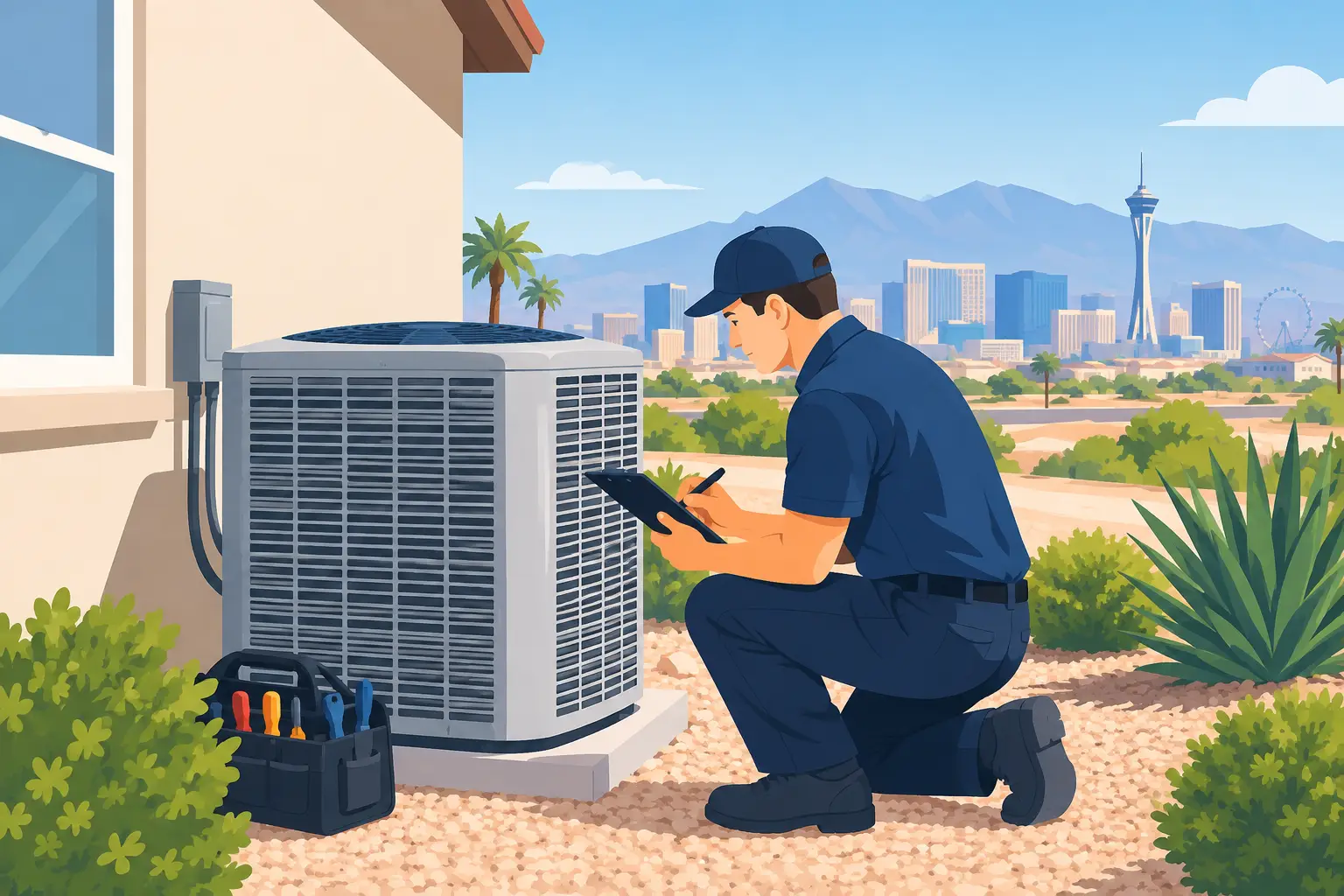
Your outdoor condenser or heat-pump unit needs open airflow to release or collect heat. Cottonwood, leaves, lawn clippings, mud, and other debris can clog the coil. Shrubs planted too closely around the unit can also restrict airflow. As the outdoor unit overheats or operates under abnormal pressure, it may cycle off on a safety control.
Electrical faults are another possibility. A weak capacitor, failing contactor, damaged wiring, or compressor problem may allow the unit to start but prevent it from running reliably. These issues are not do-it-yourself repairs. Outdoor equipment contains high-voltage electrical components, and incorrect service can damage the unit or create a safety hazard.
Keep vegetation trimmed back and avoid stacking items near the outdoor unit. Beyond that basic care, have the unit professionally cleaned and tested as part of seasonal maintenance.
Furnace safety controls or venting issues
A gas furnace uses safety switches to prevent unsafe operation. A dirty flame sensor may fail to confirm that burners are lit, causing the furnace to shut down shortly after ignition. An overheating limit switch, pressure switch concern, blocked condensate drain, or venting problem can also interrupt a heating cycle.
High-efficiency furnaces are especially dependent on clear intake and exhaust piping. In Southwest Washington, leaves, wind-driven debris, snow, or pest activity can occasionally obstruct exterior vent terminations. Condensate drainage can be affected by dirt, algae, or freezing conditions. Because combustion and venting are involved, these symptoms should be inspected by an HVAC professional rather than bypassed or reset repeatedly.
When Short Cycling Needs Professional Repair
Changing a visibly dirty filter and checking that vents are open are reasonable first steps. Beyond that, short cycling requires diagnosis, not guesswork. Several problems can produce the same start-and-stop behavior, and replacing parts without testing the system can waste money while leaving the actual fault unresolved.
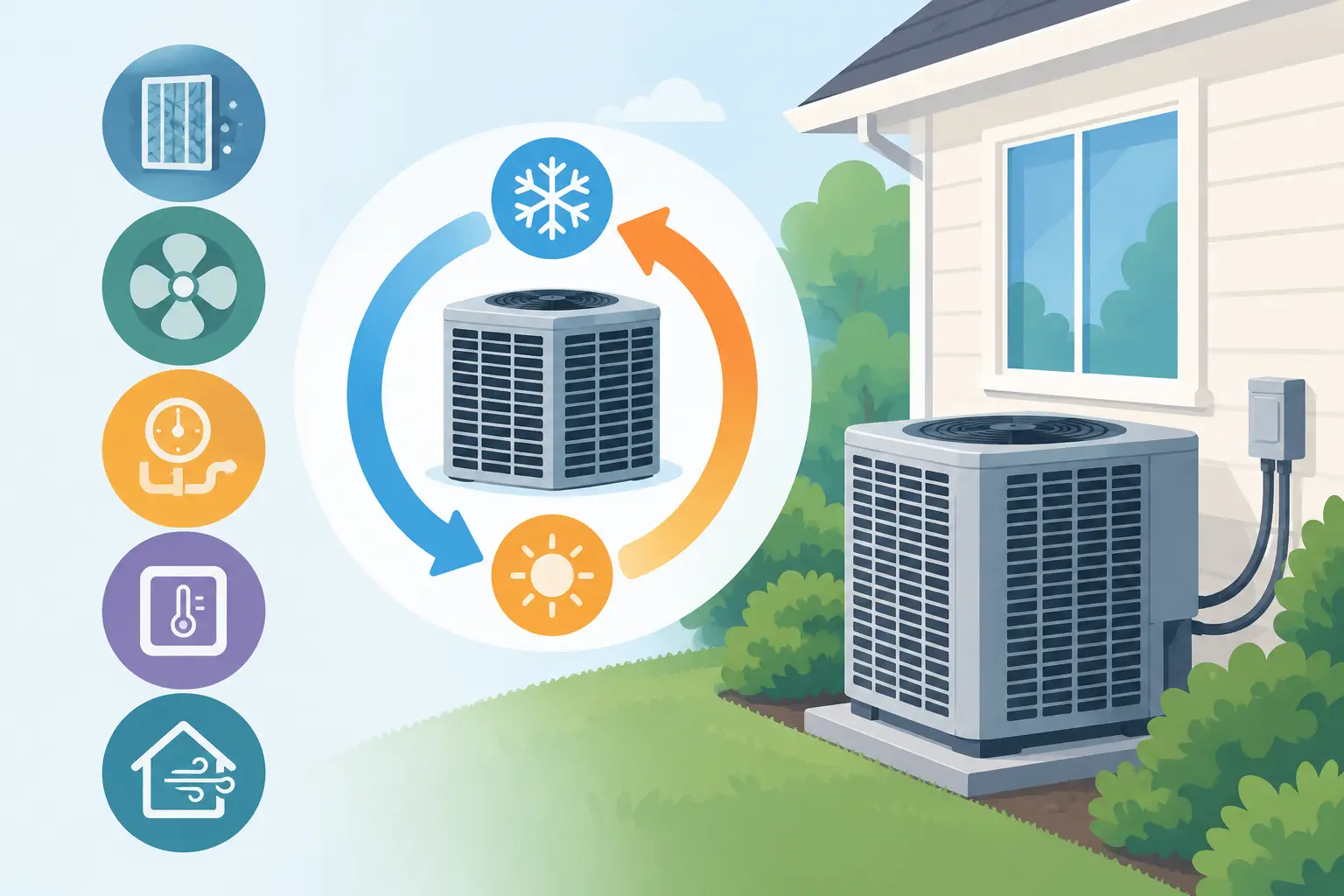
A professional service visit should evaluate airflow, thermostat operation, electrical components, refrigerant performance, safety controls, duct conditions, and equipment capacity when appropriate. For property managers and small business owners, early service is particularly valuable because repeated cycling can shorten equipment life and disrupt tenants, employees, or customers.
Creekside HVAC provides expert heating and cooling services for homeowners and local businesses in Washougal, Vancouver, and throughout Clark County. Whether the issue involves AC repair, a furnace that shuts down too soon, or a heat pump that cannot maintain comfort, a clear diagnosis gives you a practical path forward.
If your system is repeatedly starting and stopping, do not wait for it to fail during the next cold spell or warm stretch. Addressing the cause while the equipment is still operating can often protect both your comfort and your budget.