A heating system can be running every day and still leave certain rooms cold, drive up utility bills, or struggle to recover after a damp Southwest Washington morning. Heating efficiency upgrades address those problems at their source. The right improvements can reduce wasted energy, improve airflow, and help your furnace or heat pump deliver more consistent comfort without working harder than necessary.
For homeowners, property managers, and small business operators in Washougal, Vancouver, and Clark County, the best upgrade is not always a full system replacement. Sometimes a well-timed repair, duct correction, or control update delivers meaningful results. The practical first step is identifying where heat is being lost and whether the existing equipment is still capable of performing efficiently.
Start With the System You Have
Before selecting new equipment, assess the condition and performance of the current system. An older furnace or heat pump may still have usable life, but it should not be judged by age alone. Frequent repairs, uneven temperatures, unusual operating noise, rising energy use, and long heating cycles are stronger signs that the system needs professional attention.
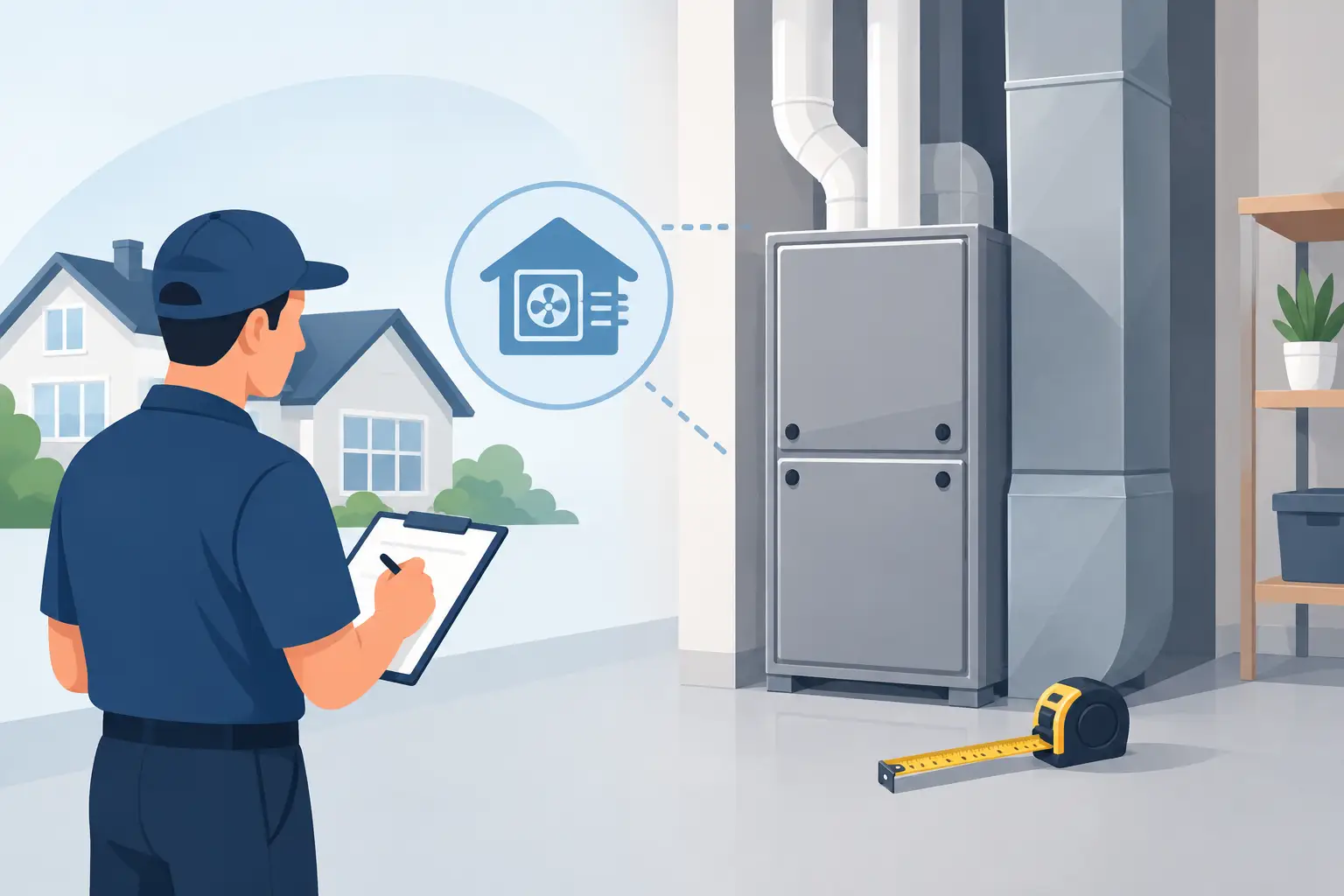
A qualified HVAC technician can check airflow, electrical components, refrigerant performance in a heat pump, combustion and venting in a furnace, thermostat operation, and the condition of filters and ducts. This evaluation separates a correctable service issue from an equipment limitation.
For example, a dirty blower assembly or restricted filter can reduce airflow enough to make a system feel underpowered. A heat pump with a refrigerant issue may rely too heavily on supplemental heat, increasing operating costs. A furnace with worn components may run longer than it should. Correcting these issues first helps you avoid paying for an upgrade that does not solve the actual problem.
Heating Efficiency Upgrades With the Biggest Impact
Some improvements affect nearly every heating system, while others depend on the age, fuel type, and layout of the property. The most effective approach is usually a combination of equipment service and building-related improvements.
Maintain airflow and duct performance
Warm air needs a clear path from the equipment to each room. Leaky, disconnected, poorly insulated, or undersized ductwork can waste a significant portion of the heat your system produces. In homes with rooms that stay cold while others become overheated, duct performance is often part of the issue.
Duct sealing and insulation can improve delivered heat, especially where ducts run through attics, crawl spaces, garages, or other unconditioned areas. Correcting crushed flex duct, loose connections, and poorly balanced runs can also make a noticeable difference in comfort.
Duct work is not always the first answer. A home without major duct problems may benefit more from equipment service or insulation improvements. But it should be evaluated before replacing a furnace or heat pump, because new equipment cannot fully overcome poor air distribution.
Upgrade controls before replacing equipment
A properly selected programmable or smart thermostat gives you better control over operating schedules and temperature setbacks. For many households, this is one of the simpler heating efficiency upgrades because it helps prevent unnecessary runtime when the building is empty or occupants are asleep.
The key is using schedules realistically. Setting the temperature dramatically lower and expecting quick recovery can work against efficiency, particularly with certain heat pump systems. Heat pumps are designed to maintain steady temperatures efficiently. Large setbacks may trigger auxiliary heat during recovery, depending on the system and thermostat settings.
A professional can confirm that a new thermostat is compatible with the equipment and configured for the way the system heats. This is especially important when a heat pump includes backup electric heat or a dual-fuel setup.
Improve the home’s heat retention
HVAC equipment is only one part of the comfort equation. Air leaks around doors, windows, attic penetrations, plumbing openings, and poorly sealed access points allow heated air to escape. In the rainy, cool conditions common around Clark County, those leaks can also make rooms feel drafty even when the thermostat is set correctly.
Weatherstripping, air sealing, and sufficient attic insulation reduce the heating load placed on the system. These improvements can be particularly valuable before installing new equipment. A home that holds heat more effectively may need less capacity than it did before, which supports better system sizing and lower operating costs.
This work should be coordinated carefully. Tightening a building without considering ventilation can affect indoor air quality and moisture management. A contractor can help identify where controlled ventilation may be needed rather than simply sealing every opening.
Replace aging equipment when repairs no longer make sense
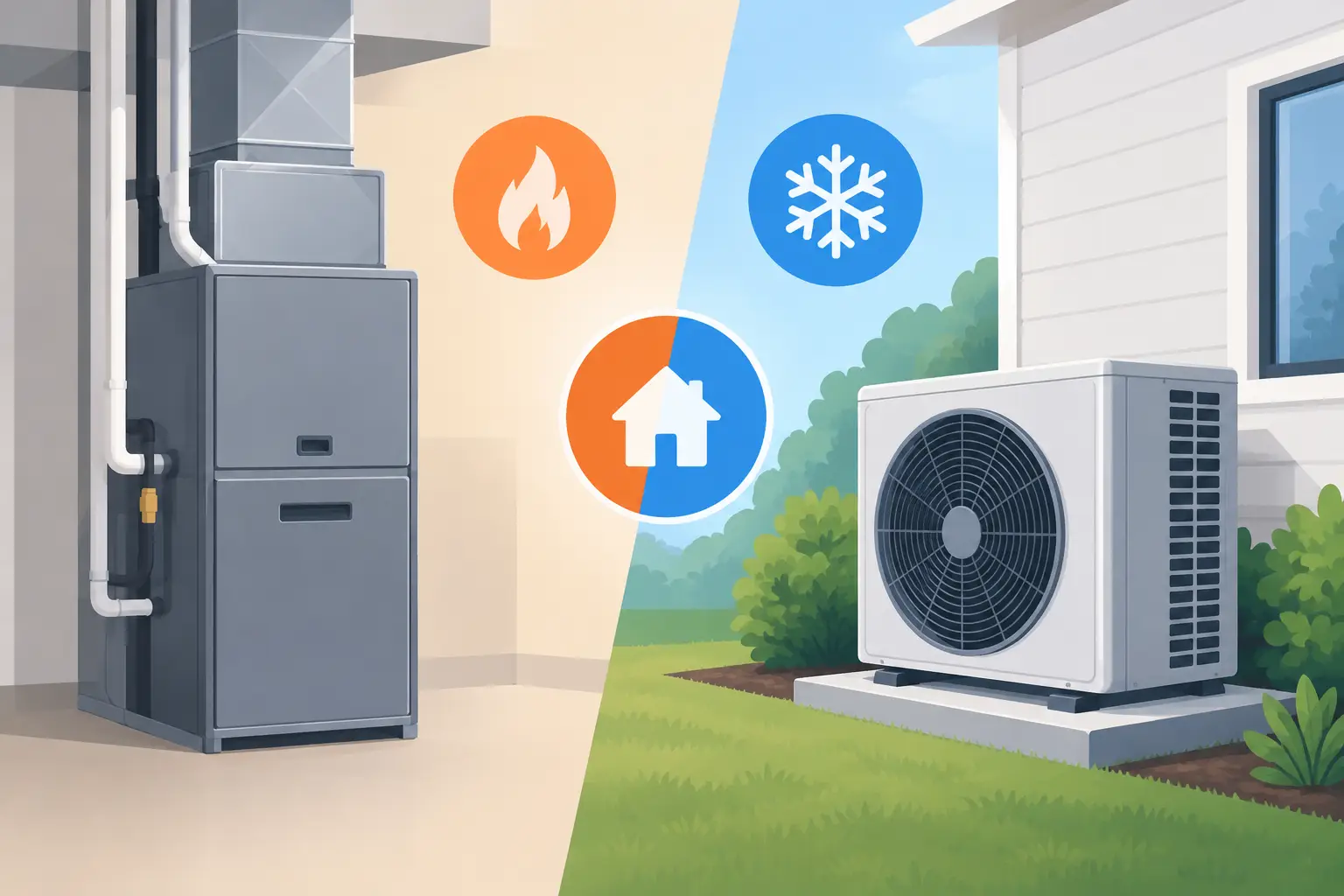
When a furnace or heat pump is near the end of its service life, replacement can provide a substantial efficiency gain. Older furnaces may have lower annual fuel utilization efficiency ratings, while newer high-efficiency models convert more fuel into usable heat. The right choice depends on the home, existing fuel source, venting options, budget, and long-term operating goals.
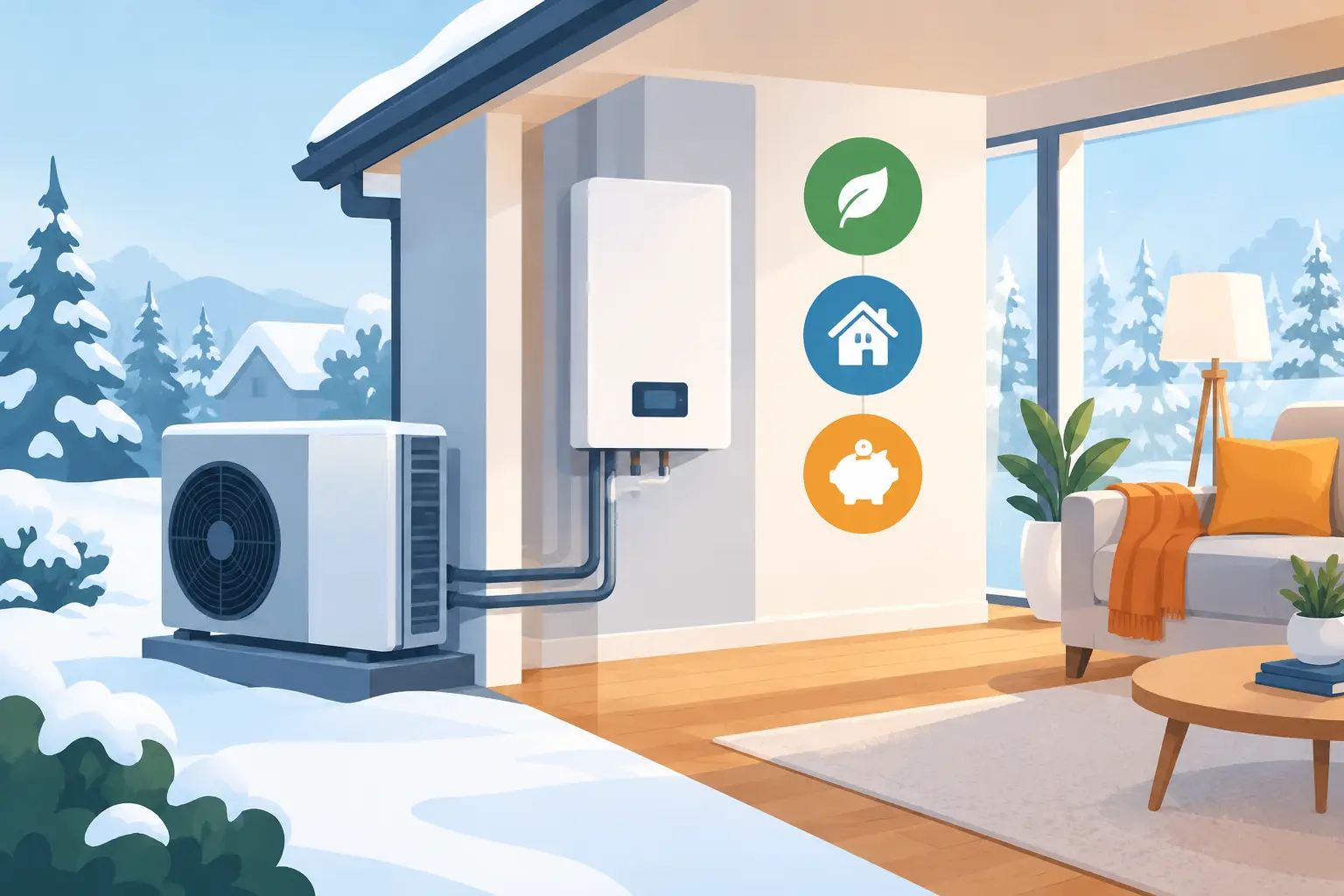
Heat pumps are also a strong option for many Southwest Washington properties because they provide both heating and cooling. Modern systems can operate effectively in cool outdoor temperatures and may reduce reliance on more expensive resistance heat or older electric systems. However, the best heat pump is not simply the unit with the highest published efficiency number. Proper sizing, installation quality, duct compatibility, and control setup determine how it performs in the real world.
For a small commercial space, replacement decisions also need to account for occupancy patterns, building use, and maintenance access. Oversized equipment can short cycle, while undersized equipment may run continuously and still fail to maintain comfort. A load calculation and site-specific assessment are essential.
Efficiency Depends on Proper Sizing
A common mistake is assuming a larger heating system will solve comfort problems. In reality, oversized equipment can create uneven temperatures, unnecessary cycling, and avoidable wear. Undersized equipment can struggle during colder weather and increase energy use as it runs for extended periods.
Proper sizing considers square footage, insulation levels, window exposure, air leakage, ceiling height, duct design, and local weather conditions. It also accounts for the way the building is actually used. A home with a finished basement, a frequently used home office, or recent additions may have different needs than it did when the original system was installed.
This is why a replacement quote should involve more than matching the size of the existing unit. If the original equipment was selected years ago without a full assessment, copying its capacity can repeat the same comfort and efficiency problems.
Do Not Overlook Routine Heating Service
Regular maintenance protects the efficiency improvements you have already made. A seasonal heating tune-up helps identify worn parts, dirty components, airflow restrictions, and safety concerns before they become larger repairs. For furnaces, service may include checking burners, ignition components, venting, and heat exchanger-related concerns. For heat pumps, technicians inspect coils, electrical connections, defrost operation, refrigerant performance, and outdoor-unit condition.
Homeowners can support system performance by replacing filters on the recommended schedule, keeping supply and return vents open and unobstructed, and clearing leaves or debris away from an outdoor heat pump unit. These simple actions do not replace professional service, but they help maintain airflow and prevent unnecessary strain.
If your system begins making new noises, produces inconsistent heat, cycles repeatedly, or causes a sudden jump in utility costs, schedule service promptly. Waiting through a heating season can turn a minor repair into an emergency replacement.
Choosing the Right Upgrade Plan
The best plan balances upfront cost, expected energy savings, equipment condition, and the comfort problems you want to solve. If a newer furnace is operating well but certain rooms are cold, start with ductwork, insulation, airflow, or thermostat concerns. If an aging system needs frequent repairs and no longer heats reliably, replacement may offer better value than another temporary fix.
Creekside HVAC provides expert heating and cooling services for homeowners and local businesses that need clear recommendations, dependable repairs, furnace installation, or heat-pump service. A professional assessment gives you a practical path forward based on your property, not a one-size-fits-all sales approach.
Comfort should not depend on turning the thermostat higher and hoping for the best. Addressing small performance issues early gives you more options, more control over costs, and a heating system that is ready when colder weather returns.