A heating replacement should do more than turn on when the thermostat calls. It should keep your home comfortable through wet Southwest Washington winters, fit your electrical setup, and make sense for your monthly utility costs. When comparing an electric furnace vs heat pump, the better choice usually comes down to how you use your home, the condition of your existing system, and whether you also need cooling.
For homeowners and property managers in Washougal, Vancouver, and throughout Clark County, a heat pump is often worth close consideration because it provides both heating and air conditioning. An electric furnace can still be a sensible, dependable option in the right situation, particularly when installation constraints or upfront cost are the deciding factors.
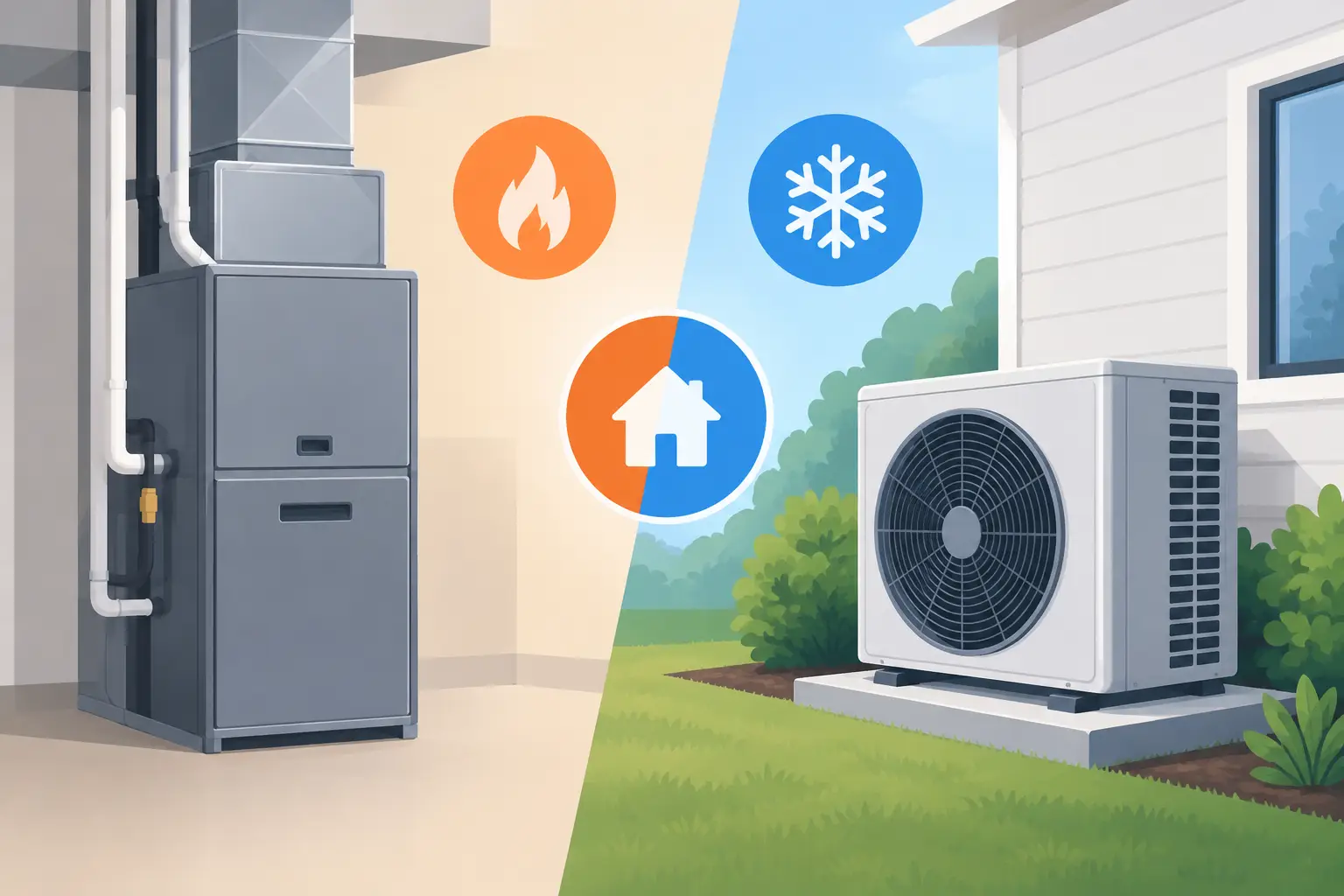
Electric Furnace vs Heat Pump: The Core Difference
An electric furnace creates heat with electric resistance elements, much like a large, professionally installed version of a space heater. When the thermostat calls for heat, electricity passes through heating strips, the blower moves air across them, and warm air travels through the ductwork. It is a straightforward system with no combustion, fuel line, or gas venting.
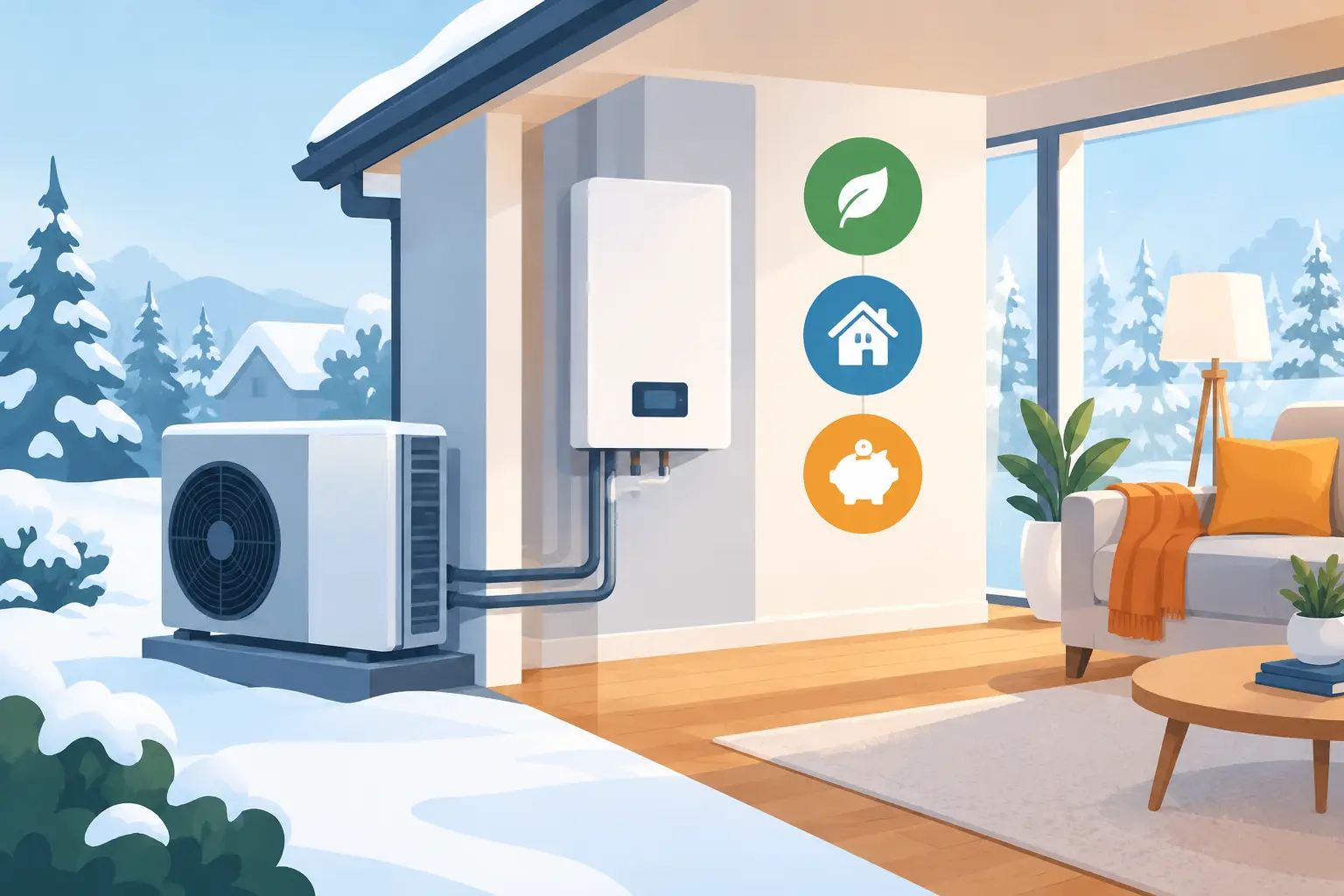
A heat pump works differently. Rather than generating most of its heat directly, it transfers available heat from outdoor air into the home. Even when outdoor temperatures feel cold, there is thermal energy in the air that a heat pump can collect and move indoors. In summer, the process reverses, allowing the same equipment to remove heat from the house and provide air conditioning.
That difference matters because moving heat is generally far more efficient than creating it through resistance heating. It also explains why a heat pump has an outdoor unit and requires more specialized installation, setup, and service than an electric furnace alone.
Operating Cost and Energy Efficiency
Electric furnaces are nearly 100% efficient at the point where electricity enters the equipment. In plain terms, almost all the electricity used by the heating elements becomes heat inside the house. That sounds excellent, but electricity can cost more per unit of heat than other energy sources, and resistance heat requires substantial electrical energy during long heating cycles.
A heat pump can deliver two to four units of heat for every unit of electricity it uses under favorable outdoor conditions. Its seasonal efficiency is measured by HSPF2, or Heating Seasonal Performance Factor 2. Higher ratings generally indicate lower heating energy use, though the right system must also be properly sized and installed to deliver those results.
Clark County's generally moderate winter weather is favorable for modern heat pumps. Many cold-climate models maintain useful heating output well below freezing, making them a practical primary heat source for many local homes. During a cold snap, however, a heat pump may need supplemental electric heat. That backup heat is less efficient and can raise the utility bill during the coldest periods.
An electric furnace does not lose heating capacity as outdoor temperatures drop. It will continue producing heat as long as power is available and the system is operating correctly. The trade-off is that its day-to-day operating cost is often higher, especially for households that rely on electric resistance heat through most of the winter.
Comfort During Pacific Northwest Weather
Southwest Washington heating systems need to handle more than low temperatures. Damp air, long stretches of cool weather, and frequent temperature swings can expose sizing problems and weak airflow. The best system is not simply the one with the highest efficiency rating. It is the one designed for your home.
A correctly sized heat pump offers steady, even heating and can run longer at lower output than older single-stage systems. Those longer cycles are often beneficial because they reduce temperature swings and improve air circulation. Variable-speed and inverter-driven models can adjust their output more precisely, which can make a noticeable difference in comfort.
Heat pumps also enter a defrost cycle periodically when frost builds on the outdoor coil. During defrost, the system temporarily changes operation to clear the coil, and backup heat may turn on to prevent cool air from blowing indoors. This is normal. A properly installed system should manage defrost without creating major comfort concerns.
An electric furnace provides direct, consistent heat and can be a good match for homes with an existing air handler and duct system in good condition. It may feel especially simple to operate because there is no outdoor heating equipment to defrost. But an electric furnace does not cool your home by itself. If you want summer cooling, you will need a separate central air conditioner or another cooling solution.
Upfront Installation Costs
The initial price difference can be significant. Replacing an existing electric furnace with another electric furnace may be the lower-cost installation when the electrical panel, indoor equipment location, and ductwork are already suitable. It is a relatively direct replacement in many homes.
A heat pump installation usually costs more because it includes an outdoor unit, refrigerant lines, controls, electrical work, and commissioning. If the home does not already have the right ductwork or electrical capacity, the project may also involve upgrades. These costs should be evaluated before making a decision rather than assumed.
The higher purchase price of a heat pump can be offset over time through reduced heating costs and by replacing the need for a separate air conditioner. Available utility incentives or tax credits may also affect the final investment, although programs, requirements, and funding can change. A contractor should provide equipment-specific information rather than building a replacement decision around a rebate that may not apply.
For small commercial spaces, the calculation is similar but often more dependent on occupancy, operating hours, and internal heat from people and equipment. A system that looks inexpensive to install can become expensive to operate if it runs all day with resistance heat.
Electrical Capacity and Backup Heat
Both options rely on electricity, so your home's electrical service is part of the decision. An electric furnace can draw a large electrical load, particularly on larger systems. Heat pumps use electricity as well, and their auxiliary heat strips can add significant demand when they operate.
Before installation, the contractor should confirm panel capacity, breaker sizing, wire requirements, and the condition of the disconnects serving the equipment. This is not a detail to skip. An undersized electrical service can limit your options or create an unexpected cost after equipment selection.
Many ducted heat pump systems use electric heat strips as backup. That does not mean the system is the same as an electric furnace. Under normal conditions, the heat pump handles most heating efficiently, while the strips assist during defrost, unusually cold weather, or rapid temperature recovery. Thermostat setup matters here. Poorly configured controls can bring on expensive auxiliary heat more often than necessary.
When an Electric Furnace Makes Sense
An electric furnace can be the practical choice when the immediate goal is a reliable replacement with a lower upfront cost. It may also fit a property that already has a separate, newer air-conditioning system and does not need a combined heating and cooling upgrade.
It can also make sense where a heat pump outdoor unit is difficult to place because of site limitations, clearance requirements, noise considerations, or building rules. For a property owner facing an urgent heating failure, the available installation timeline and condition of the existing system may influence the decision as much as efficiency ratings.
Still, it is worth looking beyond the replacement price. If the current electric furnace is costly to run and the home needs air conditioning soon, installing another resistance-heating system may solve one problem while leaving another equipment purchase ahead.
When a Heat Pump Is the Better Fit
A heat pump is often the stronger long-term choice for homeowners replacing both heating and cooling equipment. It provides year-round climate control, uses less electricity for heating in typical Pacific Northwest conditions, and can improve comfort when matched with appropriate ductwork and controls.
It is particularly attractive for homes currently using electric resistance heat, aging baseboard heaters, or an older electric furnace paired with a failing air conditioner. It can also be a good option for property managers who want a single system that supports tenant comfort in every season.
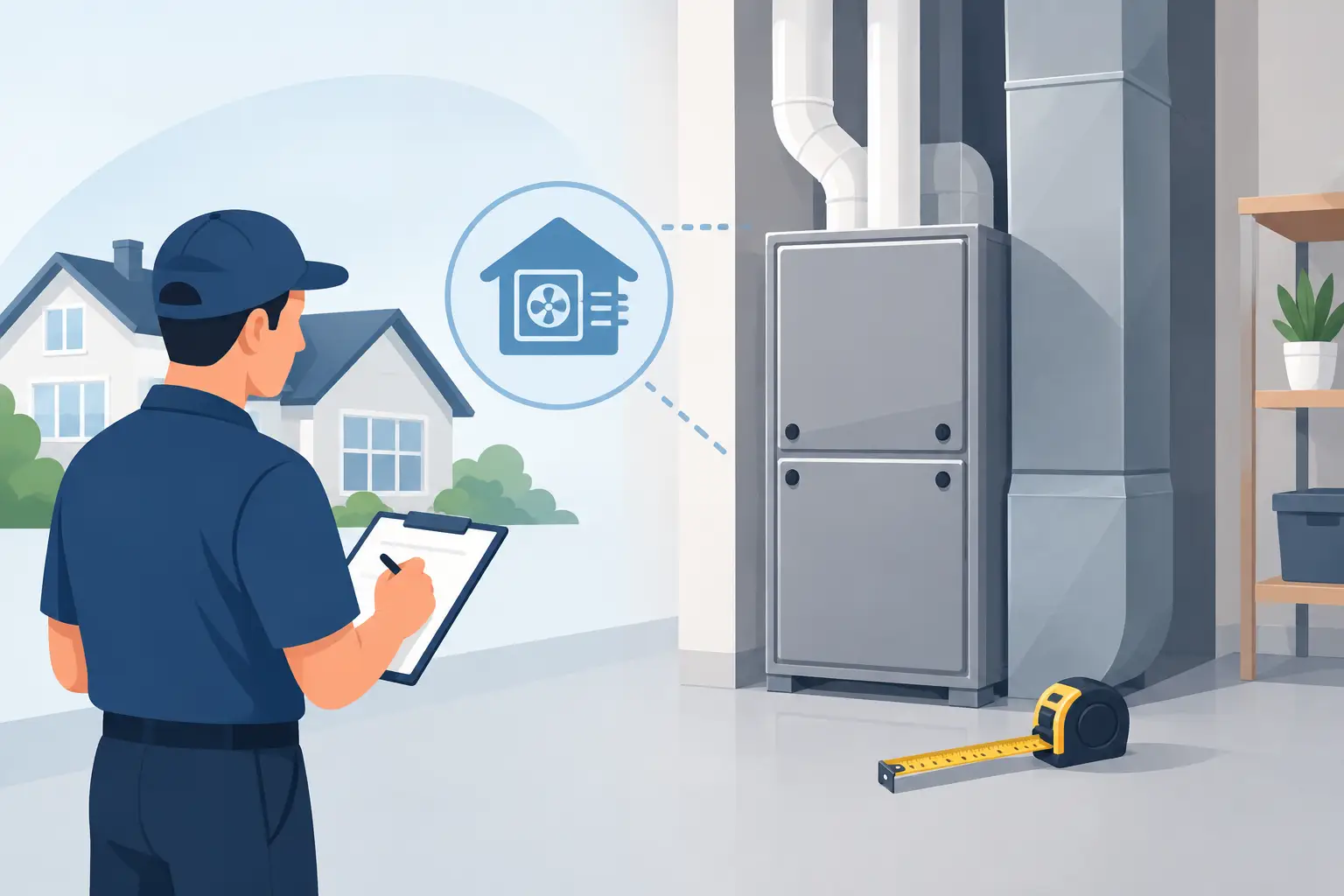
The right heat pump is not automatically the largest or highest-rated model. Oversizing can cause short cycling, reduced comfort, and unnecessary wear. A qualified HVAC professional should assess the home's square footage, insulation, windows, duct condition, airflow, electrical capacity, and heating load before recommending equipment.
Do Not Overlook Ductwork and Maintenance
A new furnace or heat pump cannot fully overcome undersized, leaky, or poorly balanced ducts. Restricted return air, dirty filters, disconnected duct sections, and weak blower performance can all make a system feel inadequate. Before replacement, ask whether the ductwork is capable of carrying the airflow the new equipment needs.
Maintenance also protects the investment. Electric furnaces need routine filter changes, electrical inspections, and blower checks. Heat pumps need those same indoor checks plus outdoor coil cleaning, refrigerant performance testing, drainage inspection, and attention to the defrost system. Regular service helps identify small electrical or airflow issues before they become no-heat calls.
The most useful next step is a clear, home-specific assessment rather than choosing based on a single efficiency number or a neighbor's experience. Creekside HVAC can evaluate your existing equipment, electrical setup, and comfort needs to help you choose a reliable HVAC solution that fits your Clark County property and the way you use it.