A bedroom that stays too warm in summer, a garage office that never feels comfortable, or an older home without usable ductwork can create a daily frustration. Ductless systems give Clark County homeowners and small business operators a targeted way to heat and cool those spaces without extending a traditional duct network. When properly selected and installed, they can deliver dependable comfort, efficient operation, and better control over individual rooms.
What Are Ductless Systems?
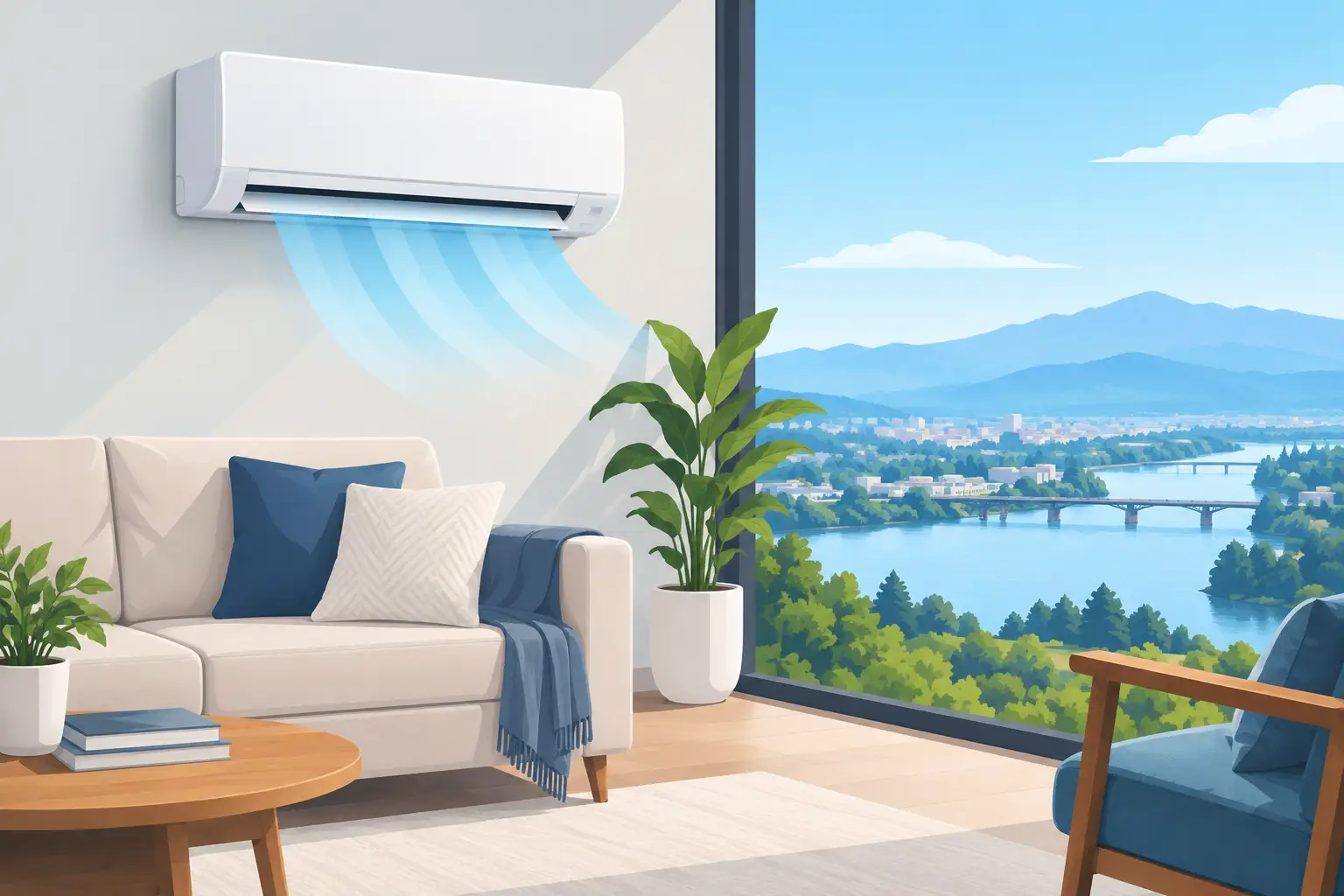
A ductless system, often called a mini-split, moves heat between an outdoor unit and one or more indoor air handlers. The indoor unit is mounted high on a wall, recessed into a ceiling, or placed in another approved location. Small refrigerant lines and electrical wiring pass through the exterior wall to connect it to the outdoor equipment.
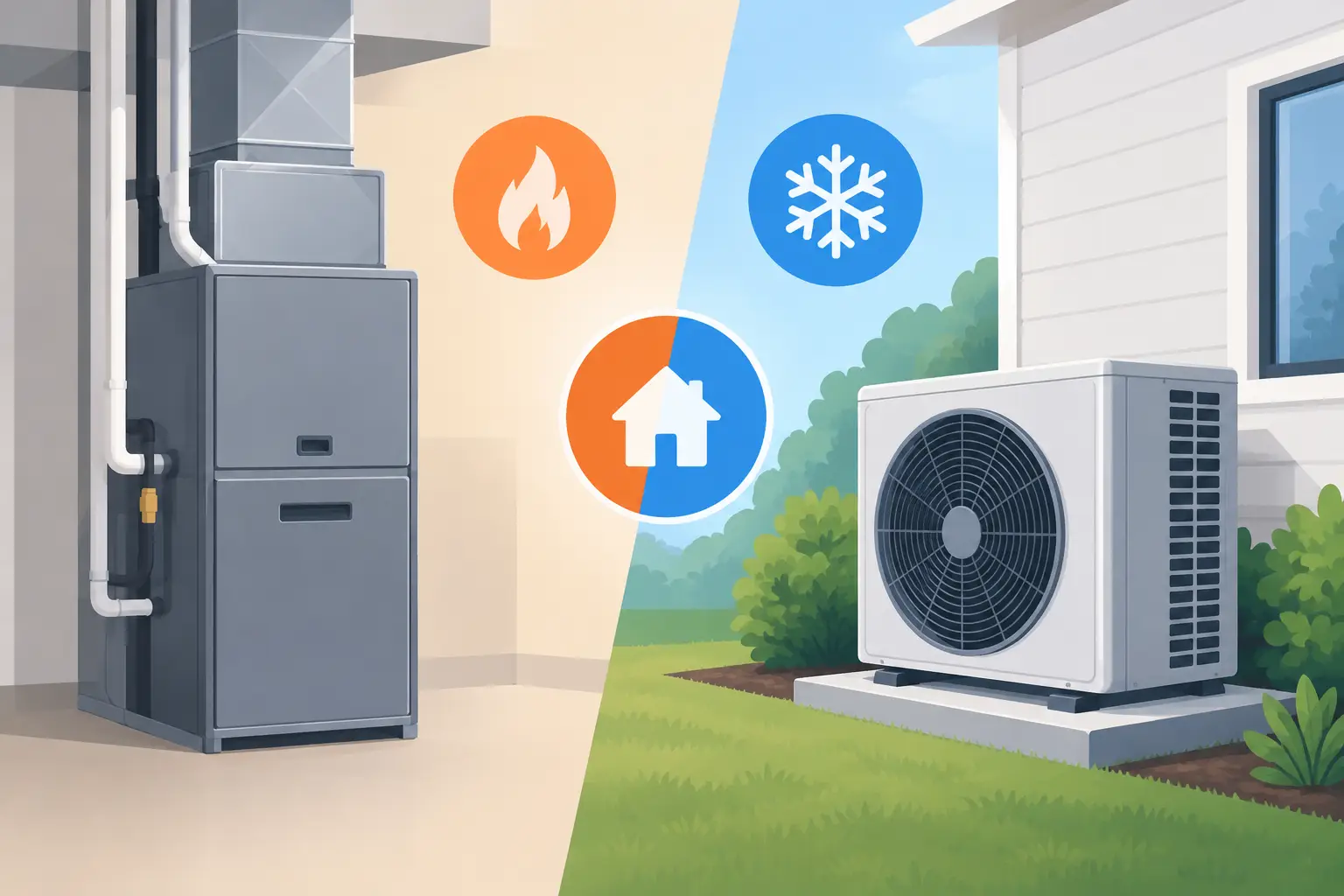
Unlike a central furnace and air conditioner, ductless equipment does not rely on large supply and return ducts to distribute conditioned air. Each indoor unit serves a defined zone and has its own temperature control. A single-zone system may condition one room, while a multi-zone system can support several rooms from one outdoor unit.
Most ductless systems installed in Southwest Washington are heat pumps. That means they provide both air conditioning and heating. Rather than generating heat through combustion, a heat pump transfers available heat from one location to another. This makes ductless heat pumps particularly useful during the mild to moderate winter conditions common in Washougal, Vancouver, and surrounding Clark County communities.
Where Ductless Systems Make the Most Sense
Ductless equipment is not automatically the right replacement for every whole-home HVAC system. It is often the best answer when a specific space is uncomfortable, when ducts are impractical, or when a home addition needs independent heating and cooling.
Older houses are a common fit. Adding full ductwork to an existing home can require opening walls, lowering ceilings, or sacrificing storage space. A ductless system can avoid much of that disruption while providing year-round comfort in the rooms that need it most.
Home additions, converted attics, finished basements, workshops, and accessory dwelling units are also strong candidates. These spaces may sit beyond the capacity of the existing furnace or central heat pump. Trying to push more air through an already stretched system can leave the original living areas less comfortable. A dedicated ductless unit gives the new space its own properly sized solution.
For property managers and small business operators, ductless systems can work well in offices, tenant spaces, server rooms, reception areas, and rooms with uneven comfort needs. The ability to set temperatures by zone can be useful when one area sees more sun, occupancy, or equipment heat than the rest of the building.
The Benefits of Zoned Heating and Cooling
The most noticeable benefit is room-by-room control. If a guest room is rarely used, it does not need to be conditioned exactly like the main living area. If one family member prefers a cooler bedroom, a separate indoor unit can address that preference without changing the temperature throughout the house.
Ductless heat pumps are also efficient because they avoid the losses associated with leaky or poorly insulated ductwork. Variable-speed compressors can adjust output as heating and cooling demand changes instead of running at full capacity every time they start. During much of the year, that steady operation can support consistent indoor temperatures and lower energy use.
Installation is generally less invasive than adding central ductwork. The connection between the indoor and outdoor units requires a relatively small wall opening rather than large chases through the home. That does not make installation simple, however. Refrigerant piping, condensate drainage, electrical requirements, mounting locations, and equipment sizing all need professional attention.
Quiet operation is another advantage. Indoor air handlers are designed to run at low sound levels, and modern outdoor units are far quieter than many older air-conditioning systems. Exact noise levels depend on the equipment model, placement, and operating conditions.
Important Trade-Offs to Consider
A ductless system offers real benefits, but it comes with design decisions. The indoor air handlers are visible in the room. Many homeowners find the wall-mounted units unobtrusive, while others prefer a ceiling cassette or a concealed unit where the home design allows it. The best choice depends on the layout, available clearances, and service access.
Cost depends on the number of zones, required electrical work, line-set routing, equipment capacity, and installation complexity. A single-zone system for one office is a different project from a multi-zone system serving an entire home. It is worth comparing the upfront investment with the cost and disruption of duct installation, as well as the operating savings a heat pump may provide.
Multi-zone systems also need careful planning. One outdoor unit can serve several indoor units, but all connected rooms share the heating or cooling mode at a given time. In other words, one zone cannot call for cooling while another calls for heating from the same outdoor unit. This is rarely a concern in many homes, but it can matter in commercial spaces or buildings with sharply different exposure conditions.
Finally, ductless equipment works best when sized for the room and local climate. Bigger is not always better. Oversized equipment can cycle improperly and may not manage humidity as effectively. Undersized equipment may struggle during weather extremes. A qualified HVAC professional should evaluate insulation, windows, sun exposure, room use, ceiling height, and the home’s overall heating load before recommending capacity.
Ductless Systems and Pacific Northwest Weather
Clark County weather can change quickly. A cool, damp morning may turn into a warm afternoon, and summer heat events can place heavy demand on homes that were built without central air conditioning. Ductless heat pumps are well suited to these fluctuating conditions because they can provide efficient heating through much of the winter and responsive cooling during warmer months.
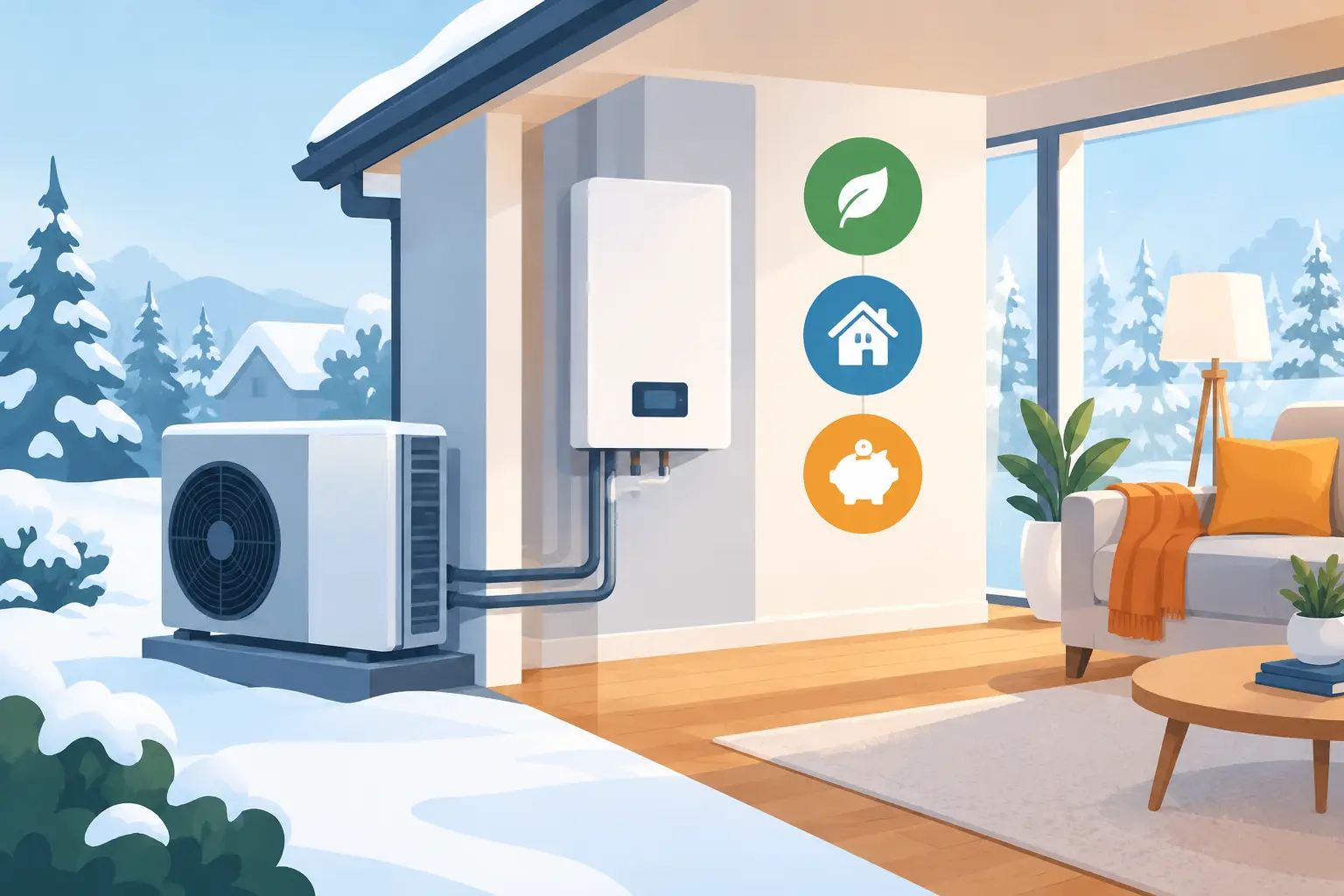
For colder periods, system selection matters. Modern cold-climate ductless heat pumps can provide useful heat at low outdoor temperatures, but performance varies by model. Some homes may benefit from a backup heating source, especially if the ductless system is intended to carry the full heating load. Existing furnaces, electric resistance heat, or another approved supplemental option may remain part of the plan.
A local assessment is more valuable than choosing equipment based only on a national rating or a neighbor’s experience. A home near the Columbia River, a shaded property in Washougal, and a newer home in Vancouver can have very different comfort needs.
What Professional Installation Should Include
Good ductless performance begins before equipment arrives. A professional installation should start with a conversation about the rooms that need conditioning, current comfort problems, electrical capacity, and your goals for the project. The contractor should then evaluate the space rather than relying only on square footage.
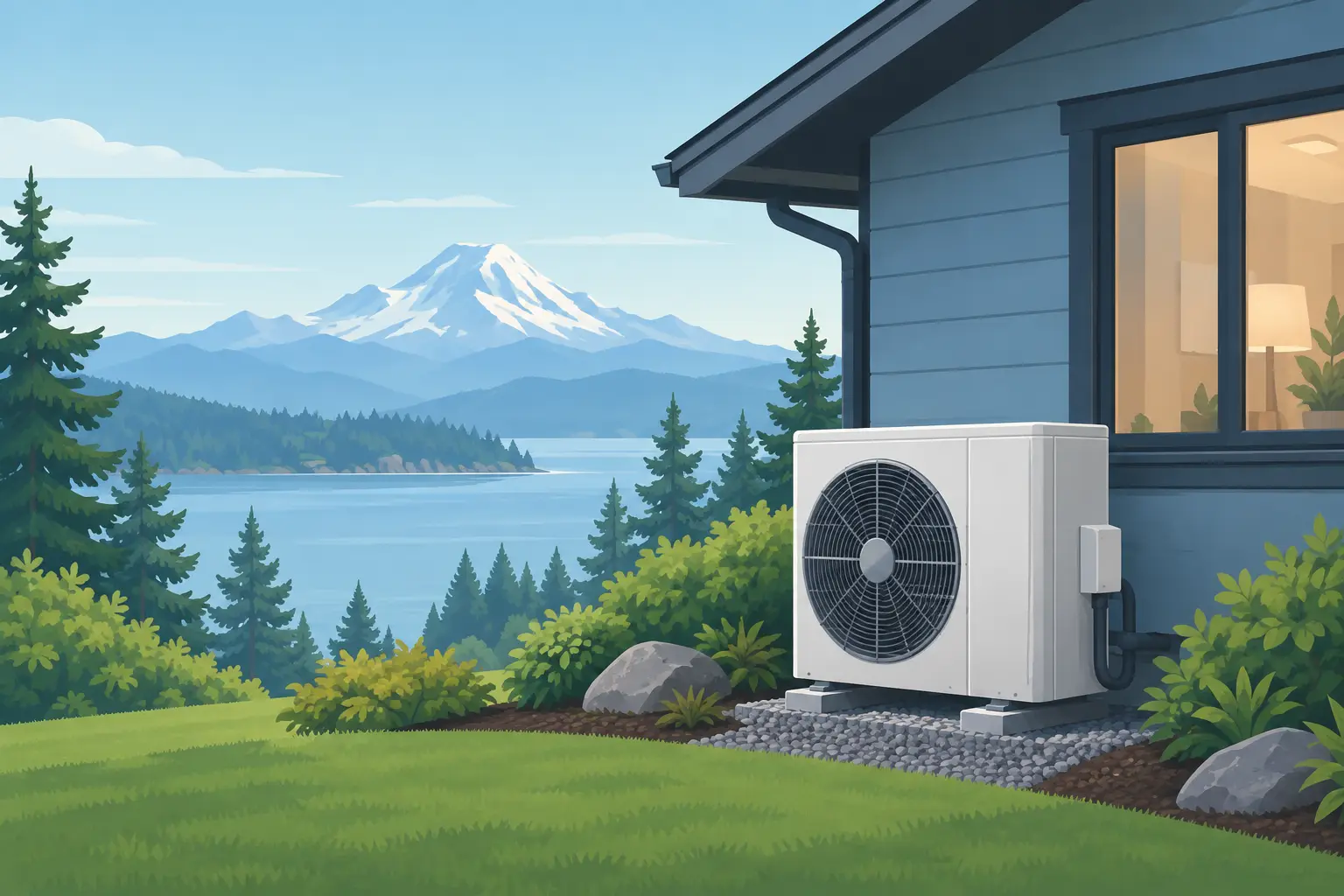
Equipment placement deserves particular attention. Indoor units need clear airflow and practical access for filter cleaning and service. Outdoor units need a stable mounting location, adequate clearance, drainage planning, and protection from avoidable debris buildup. Refrigerant lines should be routed neatly and installed to manufacturer specifications.
The installation process also includes pressure testing, evacuation of the refrigerant lines, electrical connections, condensate management, startup testing, and verification of heating and cooling operation. Permitting requirements may apply depending on the scope of work and local jurisdiction. These steps protect both system performance and manufacturer warranty coverage.
Creekside HVAC helps homeowners and local businesses evaluate ductless options as part of a complete heating and cooling plan, whether the need is one difficult room or a larger equipment replacement project.
Maintaining a Ductless Heat Pump
Ductless systems require less duct-related maintenance, but they are not maintenance-free. The indoor filters should be checked regularly and cleaned according to the manufacturer’s guidance. A clogged filter can reduce airflow, affect comfort, and make the unit work harder than necessary.
Keep furniture, curtains, and stored items away from the indoor unit so air can move freely. Outside, maintain clear space around the outdoor unit and remove leaves, vegetation, and other debris. During the heating season, avoid blocking drainage paths where defrost moisture needs to go.
Professional maintenance provides a closer inspection of coils, electrical components, refrigerant performance, drains, and overall operation. Scheduling service before heavy heating or cooling use can help identify concerns early instead of waiting for an uncomfortable room or a system failure.
Is a Ductless System Right for Your Property?
Ductless equipment is often an excellent option for homes without ducts, additions, hard-to-condition rooms, and properties seeking more control over individual spaces. It may be less appealing when a well-designed central system already serves the home effectively or when the building layout requires a different approach.
The right answer starts with the actual problem: where comfort is falling short, how the space is used, and whether the goal is supplemental conditioning or whole-home heating and cooling. A properly planned system can make a once-avoided room one of the most comfortable places in the building.