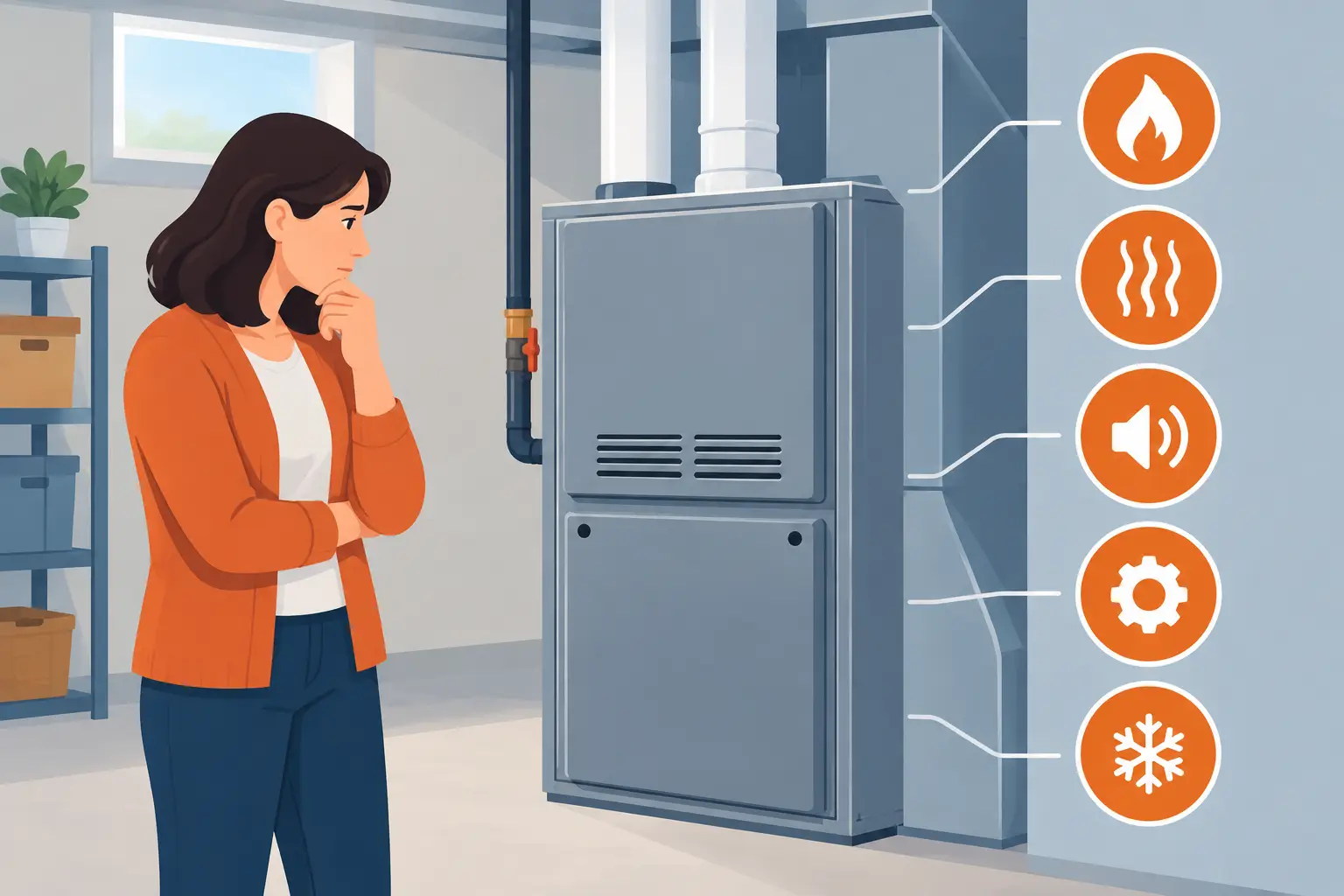
A furnace rarely chooses a convenient time to quit. It often fails during the first cold stretch of the season, when a home in Washougal, Vancouver, or elsewhere in Clark County needs dependable heat most. Knowing the signs furnace needs replacement can help you plan ahead, avoid an emergency decision, and choose equipment that fits your home and budget.
A repair is often the right call for a newer furnace with an isolated problem. But repeated breakdowns, rising heating bills, and safety concerns can indicate that repair money would be better applied toward a reliable replacement.
1. Your Furnace Is Nearing or Past Its Expected Service Life
Most gas furnaces last about 15 to 20 years when they receive regular maintenance. Some operate longer, but age changes the repair conversation. Parts become harder to source, efficiency falls behind current equipment, and a single major failure can be expensive enough to make replacement more practical.
Check the unit's manufacture date on its data plate, usually found inside or near the cabinet. If your furnace is approaching 15 years old and needs significant work, ask an HVAC professional to compare the repair cost, expected remaining life, and replacement options. A well-maintained 10-year-old furnace may deserve a repair. A 20-year-old furnace with recurring trouble usually deserves a closer look.
2. Repairs Are Becoming a Regular Expense
One repair does not mean your furnace is finished. Ignition components, blower motors, pressure switches, and thermostats can fail at any age. The concern is a pattern: multiple service calls in a heating season, the same issue returning, or one repair following another as components wear out.
A useful rule of thumb is to consider replacement when a major repair costs roughly 30 to 50 percent of a new system, particularly if the furnace is already in the latter half of its life span. This is not an automatic formula. The condition of the heat exchanger, available parts, system efficiency, and your plans for the property all matter. Still, continuing to invest in an unreliable furnace can cost more than it appears on the invoice.
3. Heating Bills Keep Rising Without a Clear Reason
A higher utility bill can result from colder weather, changes in household routines, insulation problems, or higher energy rates. However, a steady increase in heating costs with similar use may mean the furnace is losing efficiency.
Older furnaces can waste more fuel as burners, blower components, controls, and airflow systems wear. Dirty filters and neglected maintenance can also reduce performance, so a diagnostic visit should come before assuming replacement is necessary. If the equipment is clean, properly serviced, and still uses noticeably more energy to produce the same comfort, a high-efficiency furnace or heat pump may offer a better long-term value.
4. Some Rooms Are Too Cold While Others Overheat
Uneven temperatures are frustrating, especially when the thermostat says the system is working normally. A furnace that runs but cannot distribute heat effectively may be undersized, aging, or struggling with blower performance. Duct leaks, poor duct design, insufficient insulation, and a thermostat in the wrong location can create similar symptoms.
That is why replacement should not be based on room temperature alone. A qualified heating technician should assess airflow, ductwork, equipment capacity, and the condition of the existing furnace. Installing a new unit without addressing a duct or sizing issue may leave the same comfort problem in place.
5. The Furnace Makes New or Persistent Noises
Furnaces make normal operating sounds, including a brief ignition sequence, airflow, and the blower starting and stopping. What is not normal is loud banging, repeated popping, grinding, scraping, squealing, or rattling that continues through the heating cycle.
Some noises point to repairable problems, such as a loose panel, worn belt on older equipment, or a failing blower component. Others can signal more serious mechanical wear. If the sound is new, loud, or paired with weak heat or frequent shutdowns, turn to a heating professional promptly rather than waiting for the next scheduled maintenance visit.
6. Your Furnace Runs Constantly or Short Cycles
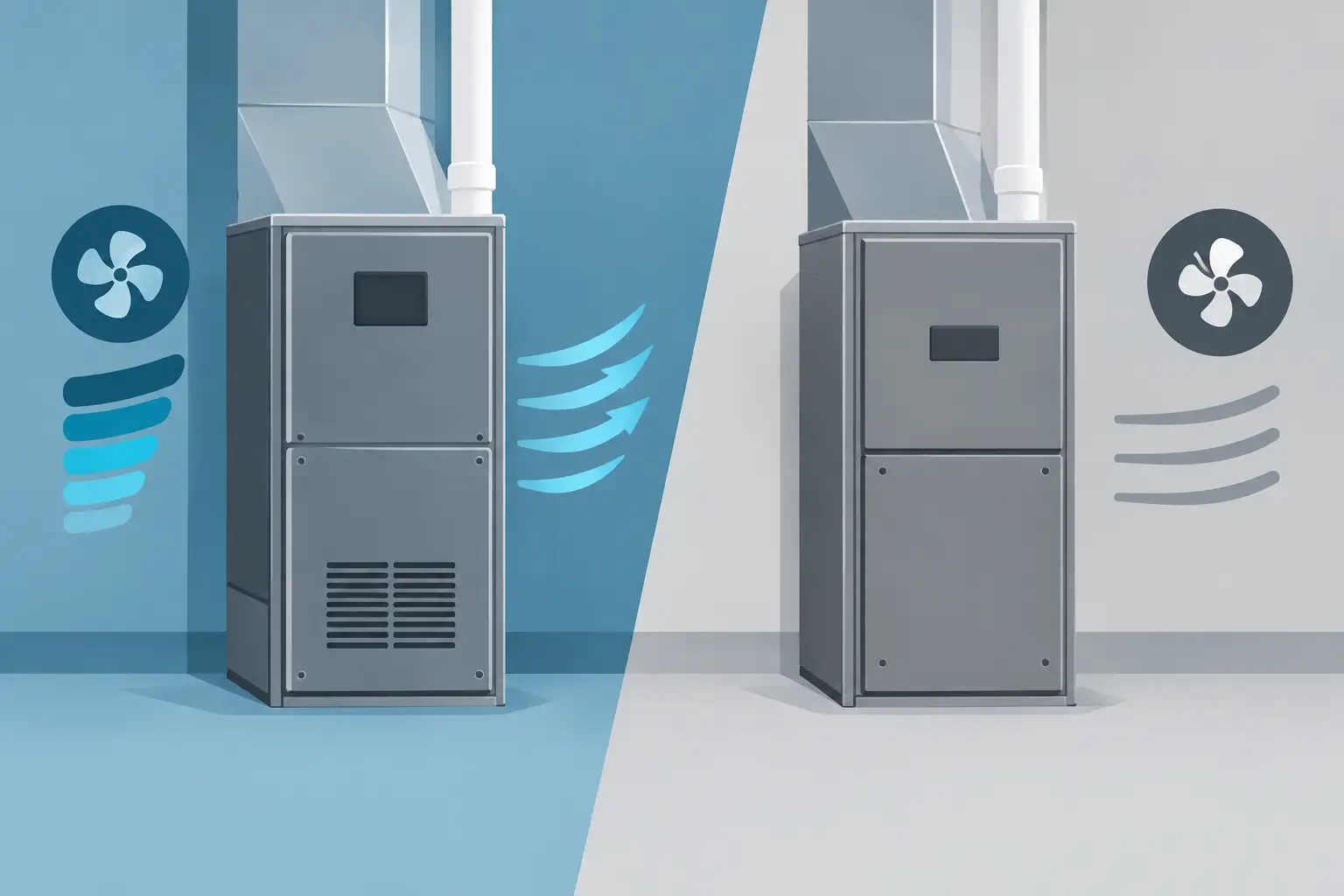
A furnace should run long enough to warm the home and then cycle off. If it runs almost continuously, it may be losing capacity, fighting poor airflow, or attempting to heat a home with significant heat loss. If it turns on and off every few minutes, known as short cycling, it may be overheating, receiving incorrect thermostat signals, or dealing with a combustion or venting issue.
A clogged filter is a simple cause worth checking first. Use the filter type and replacement interval recommended for your system. If a clean filter does not resolve the issue, schedule service. Frequent cycling adds wear, wastes energy, and can lead to a complete failure when temperatures drop.
7. Indoor Air Quality Has Changed
An aging furnace is not always the direct cause of dust, dry air, or stale odors, but it can contribute to them. Leaky ducts may pull dust from unconditioned areas, a weak blower may not move air through filtration effectively, and inconsistent heating can make indoor humidity feel less comfortable.
Persistent burning odors, electrical smells, or exhaust-like smells deserve immediate attention. A brief dusty smell when first starting the furnace after a long break can be normal. Odors that continue after the system has run, or any smell that suggests gas or combustion fumes, should not be ignored. Leave the area if you suspect a gas leak, contact the appropriate utility or emergency service, and have the system inspected before using it again.
8. You See Rust, Corrosion, or Visible Damage
Surface dust is expected. Heavy rust, water staining, corrosion around vent connections, or damage to the furnace cabinet is not. Moisture can come from a plumbing leak, condensate issue, venting problem, or a humid area around the equipment. Over time, corrosion can affect safety components and shorten the furnace's usable life.
Water around a high-efficiency furnace also needs prompt attention. Condensing furnaces create moisture during operation, and a blocked drain or failed condensate pump can shut the system down or damage nearby materials. A technician can identify whether the problem is a manageable repair or evidence of broader equipment deterioration.
9. The Flame Is Yellow Instead of Blue
For a gas furnace, a steady blue burner flame generally indicates proper combustion. A yellow or flickering flame can indicate incomplete combustion, dirt in the burners, or a ventilation problem. This is a safety issue, not a wait-and-see maintenance item.
Do not attempt to adjust burners or combustion settings yourself. Make sure working carbon monoxide detectors are installed near sleeping areas and on each level of the home. If a detector alarms or anyone experiences headache, dizziness, nausea, or confusion while the furnace is running, get outside, call emergency services or the gas utility as appropriate, and do not reenter until it is safe.
10. The Heat Exchanger Has a Crack or Major Safety Issue
A damaged heat exchanger is one of the clearest reasons to consider furnace replacement. The heat exchanger separates combustion gases from the air circulated through your home. Cracks are not always visible to an untrained eye, which is why professional inspection matters when a furnace shows combustion concerns, soot, repeated rollout switch trips, or unusual odors.
Depending on the furnace's age, warranty status, and overall condition, replacing the heat exchanger may not be cost-effective. If other major components are also nearing the end of their lives, replacement can provide a safer and more dependable path forward.
How to Decide Between Furnace Repair and Replacement
The best choice depends on more than the immediate problem. Consider the furnace's age, repair history, efficiency, warranty coverage, safety condition, and how consistently it heats the building. Property managers may also need to weigh tenant comfort and the cost of an after-hours failure. Homeowners planning to stay in the house for years may benefit more from lower operating costs and improved reliability than someone preparing a property for sale.
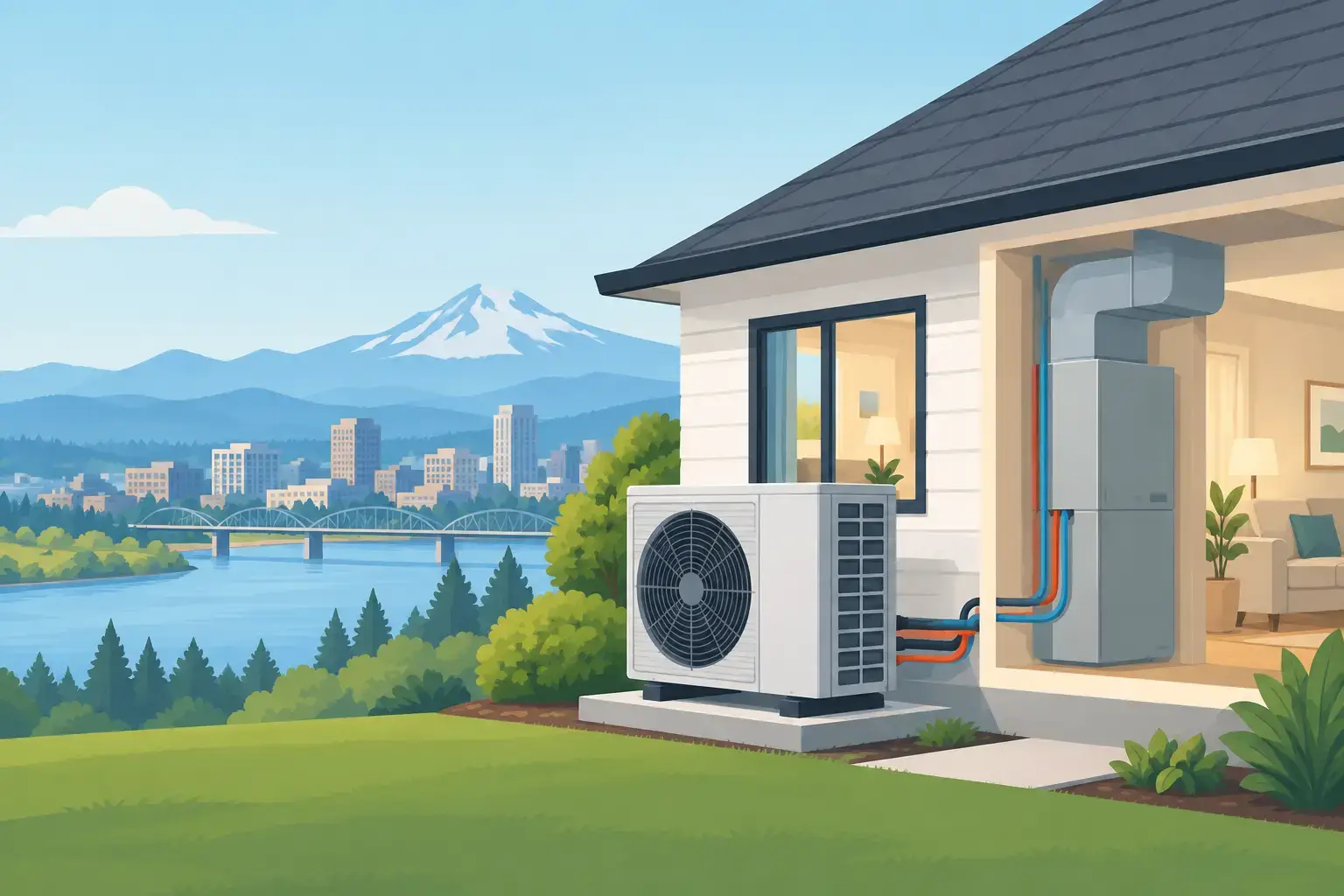
A professional assessment should include a clear explanation of the failed component, the repair cost, what the repair is expected to accomplish, and whether other aging components create a near-term risk. Ask whether the existing furnace is properly sized and whether the ductwork can support a replacement system. In Southwest Washington, a heat pump may also be worth discussing, either as a primary heating solution or as part of a dual-fuel setup, depending on the home and comfort goals.
Creekside HVAC provides expert heating and cooling services for homeowners and local businesses throughout Washougal, Vancouver, and Clark County. When a furnace becomes unreliable, a proper evaluation can replace uncertainty with a practical plan.
If your heat is inconsistent, your repair bills are growing, or your furnace is showing a safety warning, arrange an inspection before the next cold night turns a manageable decision into an urgent one.