A light coating of frost on an outdoor heat pump is normal during a cold, damp Southwest Washington winter. A solid block of ice around the coil, fan, or base is not. Knowing how to prevent heat pump icing helps protect heating performance, avoid unnecessary wear, and keep your home comfortable when temperatures drop.
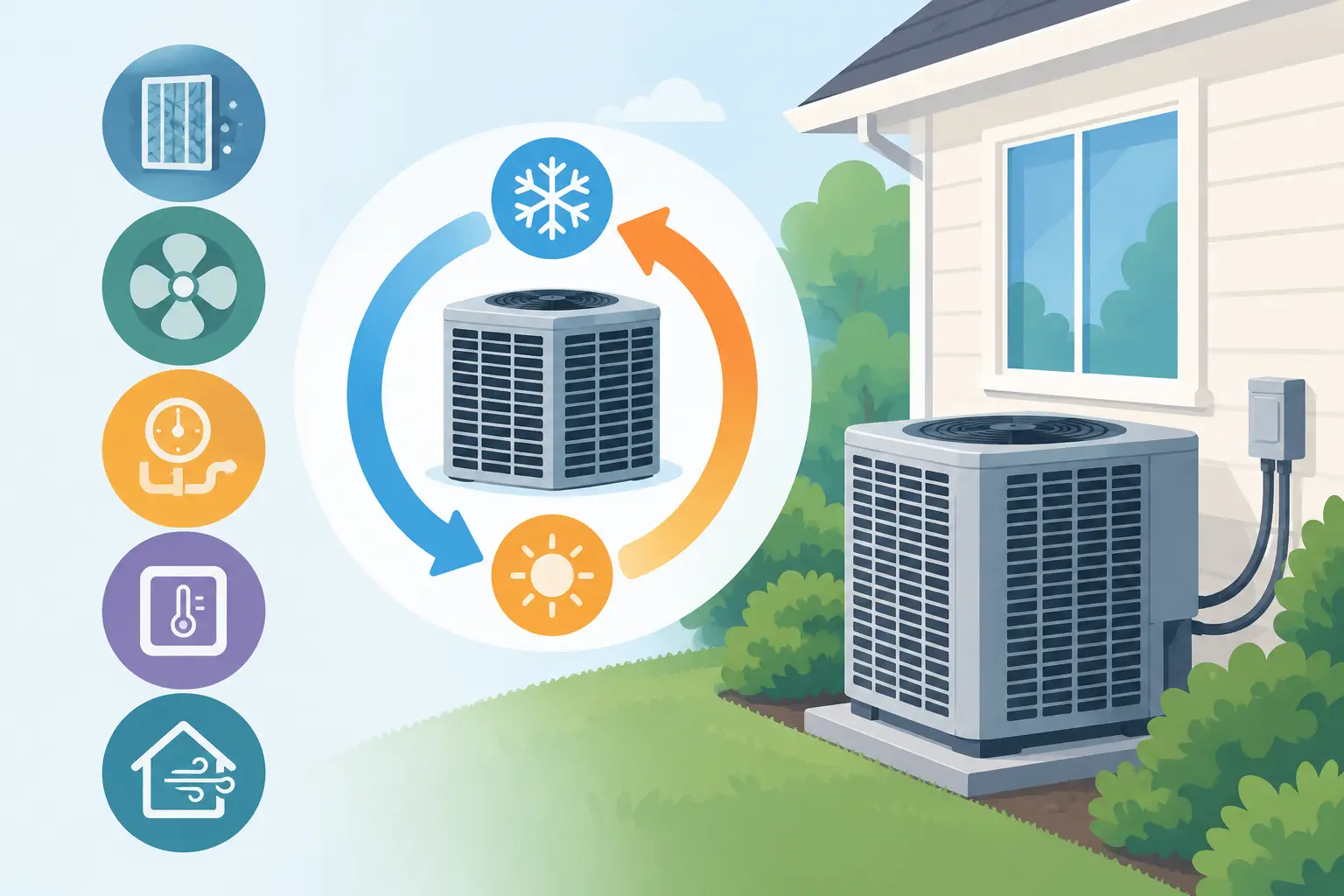
Heat pumps collect heat from outdoor air, even when that air feels cold. Moisture in the air can freeze on the outdoor coil during this process. Your system is designed to remove that frost through a defrost cycle. Trouble starts when airflow, drainage, controls, or a mechanical component prevent the unit from defrosting and draining as intended.
Know the Difference Between Frost and a Problem
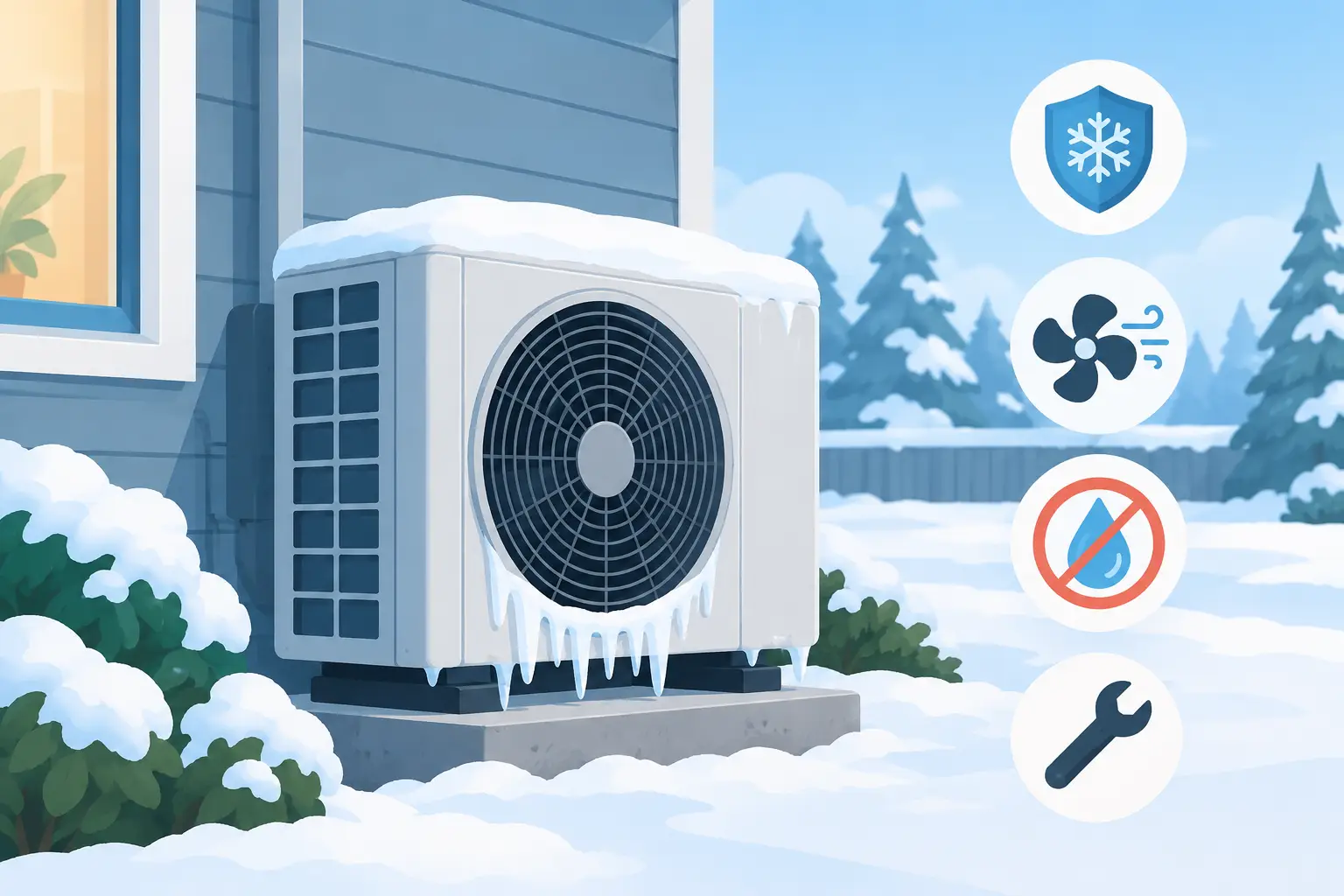
Before taking action, look at the pattern of ice. A thin, even layer of frost on the coil during cold or humid weather is generally expected. The outdoor unit should periodically enter defrost mode, often for several minutes at a time. You may hear a change in the system's sound, see steam rising from the unit, or notice water draining below it. Those are usually signs that the defrost cycle is working.
Heavy ice is different. Call for heat pump service if the outdoor coil is encased in ice, the fan blades are blocked, ice is growing around the cabinet, or the system remains frozen after it should have completed a defrost cycle. Reduced indoor heat, longer run times, unusual noises, and a sudden increase in backup electric heat can also point to an issue.
In Clark County, icing problems often appear during damp stretches when overnight temperatures hover near freezing. Rain, fog, wet leaves, and repeated freeze-thaw conditions can all contribute. That is why keeping the outdoor unit clear and properly maintained matters as much as the equipment itself.
How to Prevent Heat Pump Icing With Good Airflow
Your outdoor heat pump needs room to pull air through the coil and discharge it freely. When airflow is restricted, the coil can become colder than normal and frost can build more quickly. Check the area around the unit throughout the heating season, especially after windstorms or heavy rain.
Keep shrubs, vines, tall grass, stored materials, and yard debris away from the equipment. A practical goal is to maintain clear space on all sides and above the unit according to the manufacturer's requirements. Do not stack firewood, place patio furniture against the cabinet, or lean tools against it for the winter.
Leaves are a frequent issue in the Pacific Northwest. They can collect against the coil or settle beneath the unit, where they hold moisture and interfere with drainage. Carefully remove loose debris from around the cabinet. Avoid using sharp tools that can bend coil fins or damage refrigerant lines.
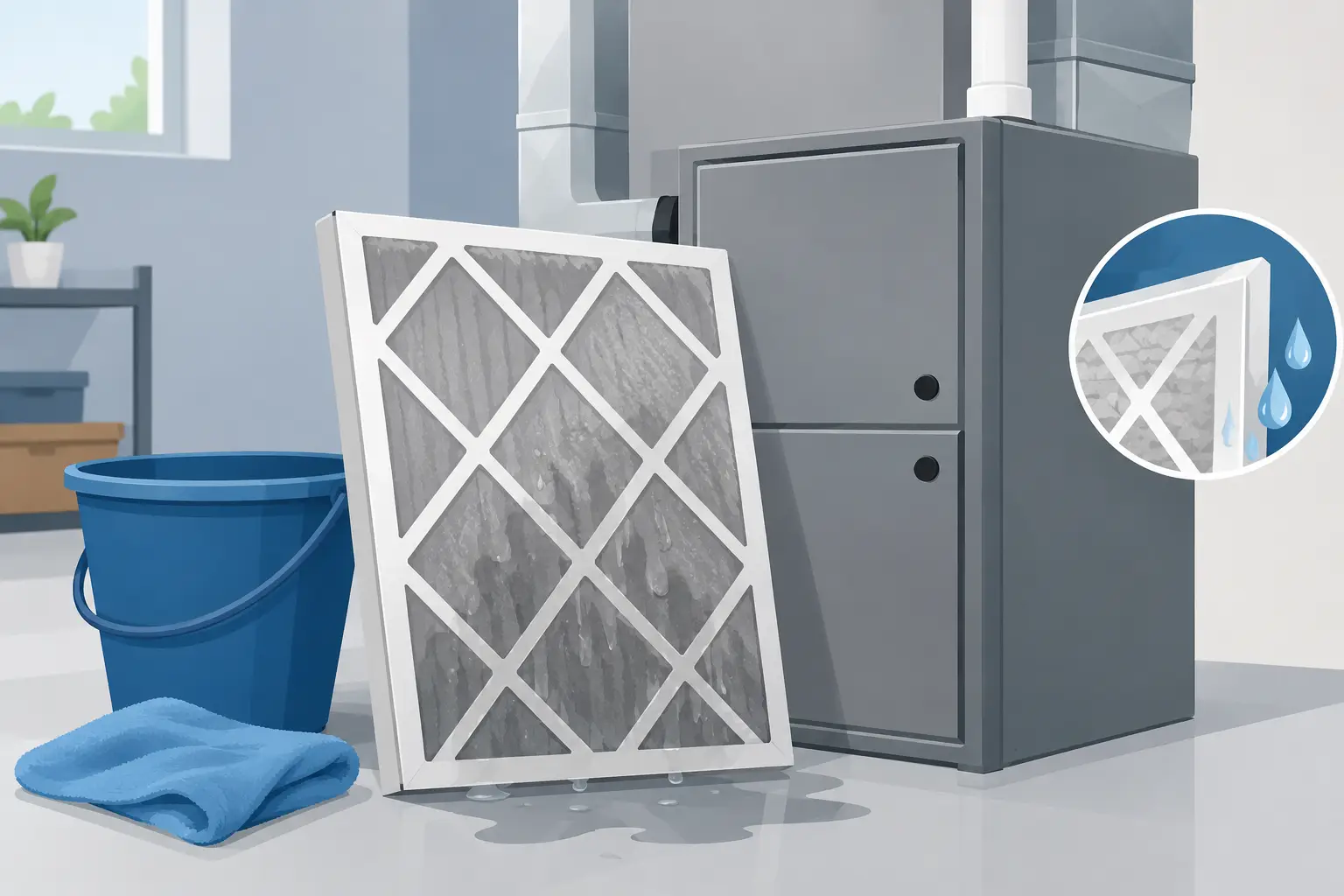
Indoor airflow also affects heat pump operation. Replace or clean the indoor air filter on the schedule recommended for your system, and make sure supply and return vents are open and unobstructed. A clogged filter does not usually create outdoor ice by itself, but it can reduce overall system performance and make an existing problem harder to spot.
Keep the Outdoor Fan Area Clear
The fan must be able to turn without striking ice or debris. After a storm, visually inspect the top and sides of the outdoor unit. If snow or loose ice is resting on the cabinet, brush it away gently without forcing anything into the fan guard.
Never chip ice from the coil with a screwdriver, knife, shovel, or metal tool. The aluminum fins bend easily, and puncturing the coil can lead to a costly refrigerant repair. Do not pour hot water over a frozen unit either. The water can refreeze quickly, and the temperature shock is not good for components.
Make Sure Meltwater Has a Place to Go
During defrost, frost melts and drains away from the outdoor unit. If that water cannot escape, it can freeze in the base pan and build upward around the coil or fan. Drainage deserves particular attention in areas that receive frequent rain and freezing nighttime temperatures.
The heat pump should sit on a stable, level pad or properly designed stand that allows water to move away from the unit. Soil, mulch, leaves, and settling can change drainage over time. Look for standing water around the equipment after rain or a thick layer of ice beneath the cabinet during cold weather.
Avoid piling mulch or landscaping material against the base. If a roof valley, gutter, or downspout directs water onto the unit, have that drainage corrected. Constant dripping can create ice faster than the defrost system can manage it. A qualified HVAC technician can also assess whether your installation needs a base-pan heater or other cold-weather accessory. The right solution depends on the equipment model, location, and the specific icing pattern.
Schedule Maintenance Before the Coldest Weather
Preventive heat pump maintenance is the most dependable way to catch icing causes before they become a no-heat call. During a professional service visit, a technician can inspect the outdoor coil, electrical connections, fan motor, refrigerant operation, condensate and defrost drainage, and the controls that initiate defrost mode.
The defrost system is not a simple timer on every modern heat pump. Many systems use sensors and control boards to determine when frost needs to be cleared. If a sensor is inaccurate, a board is failing, or a reversing valve is not operating correctly, the unit may not enter defrost when needed. These are not issues that can be confirmed by appearance alone.
Maintenance also gives a technician a chance to identify bent fins, coil contamination, worn fan components, and refrigerant concerns. Low refrigerant can make the outdoor coil run excessively cold, which may lead to unusual frosting. Because refrigerant work requires proper training and equipment, homeowners should not try to diagnose or recharge a heat pump themselves.
Use the Thermostat Carefully During Freezing Weather
Heat pumps are built to maintain a steady indoor temperature efficiently. Large, frequent thermostat setbacks can cause the system to work harder during the morning recovery period, sometimes bringing on auxiliary heat. This does not directly cause outdoor icing, but steady settings can support more consistent operation and energy use.
If your system has emergency heat, use it only when directed by an HVAC professional or when the heat pump cannot operate safely. Emergency heat typically bypasses the outdoor heat pump and relies on electric resistance heat or another backup source. It can keep the home warm, but it is usually more expensive to run.
Do not turn the system off and on repeatedly in an attempt to clear ice. If the equipment is frozen and cannot complete a defrost cycle, cycling power may not solve the underlying issue. It can also delay a proper diagnosis.
When to Call for Heat Pump Repair
Some icing needs immediate attention. Turn the system off at the thermostat and contact a qualified HVAC contractor if the outdoor fan is frozen in place, the coil is heavily encased in ice, the unit is making grinding or banging sounds, or you smell electrical burning. If your home has backup heat, use it as appropriate while waiting for service.
A technician may find a simple airflow or drainage problem, but heavy icing can also indicate a failed defrost sensor, malfunctioning control board, damaged fan motor, refrigerant leak, or reversing-valve issue. The repair should be based on testing rather than guesswork. Repeatedly thawing a unit without correcting the cause can lead to more damage and unreliable heating.
For homeowners and property managers in Washougal, Vancouver, and surrounding Clark County communities, Creekside HVAC provides dependable heat-pump service when winter performance becomes a concern. Timely diagnostics can often prevent a small defrost or drainage issue from becoming a larger repair.
A quick visual check after storms, clear space around the outdoor unit, and routine professional maintenance give your heat pump its best chance to handle wet, freezing weather. If the ice keeps coming back, treat it as a service signal rather than a seasonal inconvenience.