A cooling system rarely fails without giving some warning first. A higher electric bill, longer cooling cycles, weak airflow, or a room that never quite catches up can all point to a system working harder than it should. So, does AC need annual inspection? For most homes and small businesses in Clark County, the answer is yes. A yearly professional inspection is one of the most practical ways to protect comfort, efficiency, and equipment life.
Southwest Washington does not experience the nonstop extreme heat of some regions, but that does not make air conditioner maintenance optional. When hot weather arrives in Washougal, Vancouver, and nearby communities, homeowners need their equipment to work reliably. An AC system that sat unused through a wet, cool season can reveal problems quickly once it is asked to run every afternoon.
Why an annual AC inspection is worth scheduling
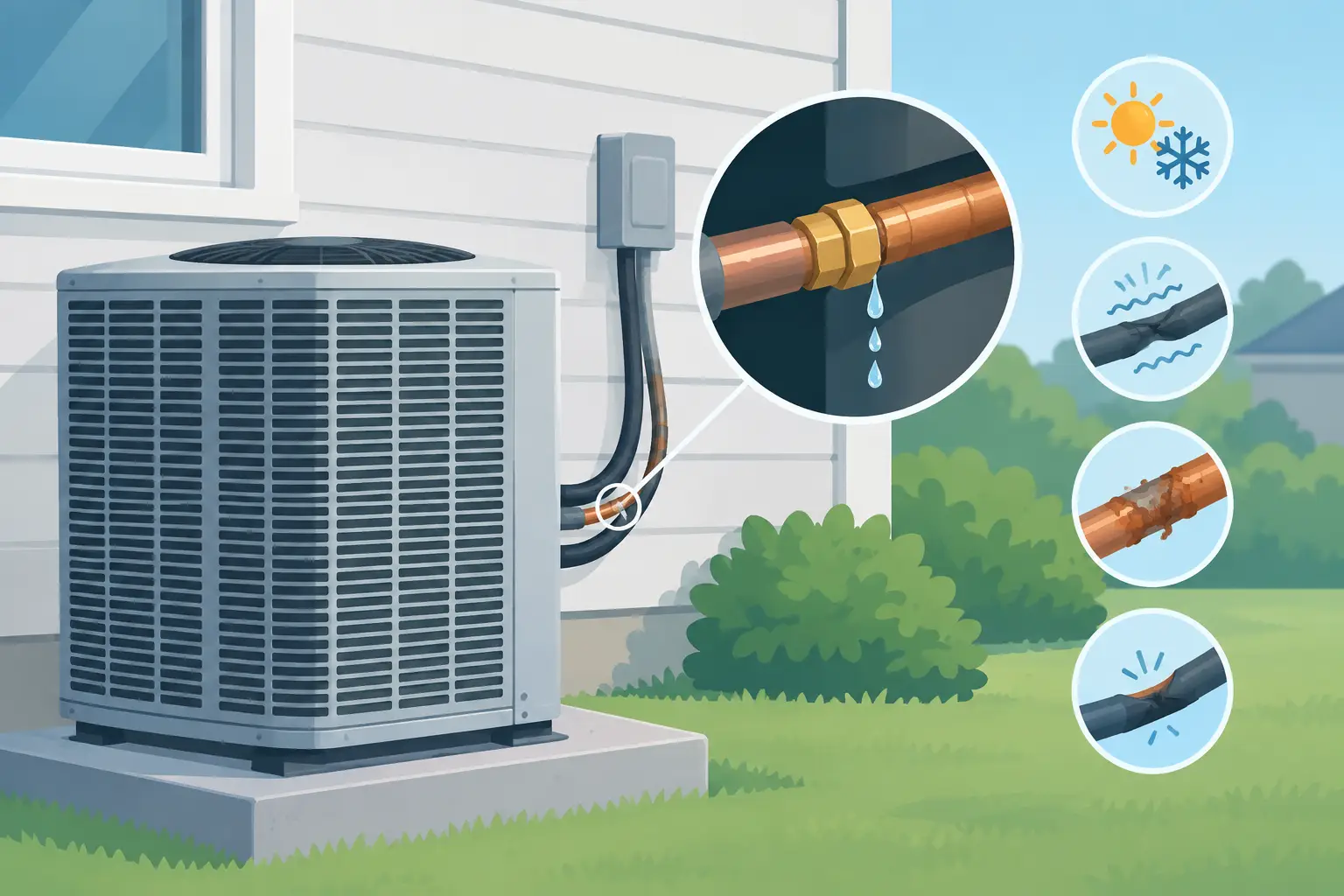
An annual inspection gives a trained HVAC technician the chance to find small issues before they become a no-cool call on a hot day. Many common air-conditioning failures begin as manageable maintenance concerns: a loose electrical connection, a dirty coil, a weak capacitor, a clogged condensate drain, or low refrigerant caused by a developing leak.
Left alone, those concerns can place extra strain on the compressor, blower motor, and other major components. Those are the parts homeowners want to protect. A maintenance visit does not guarantee a system will never need repair, especially as it ages, but it can reduce preventable breakdowns and help the equipment operate closer to its intended efficiency.
There is also a comfort benefit. Air conditioners that have restricted airflow or dirty outdoor coils may still run, but they often cool unevenly and take longer to reach the thermostat setting. In a two-story home, that can make upstairs rooms noticeably uncomfortable. For a local business, poor cooling can affect employees, customers, and sensitive equipment.
What happens during an AC inspection?
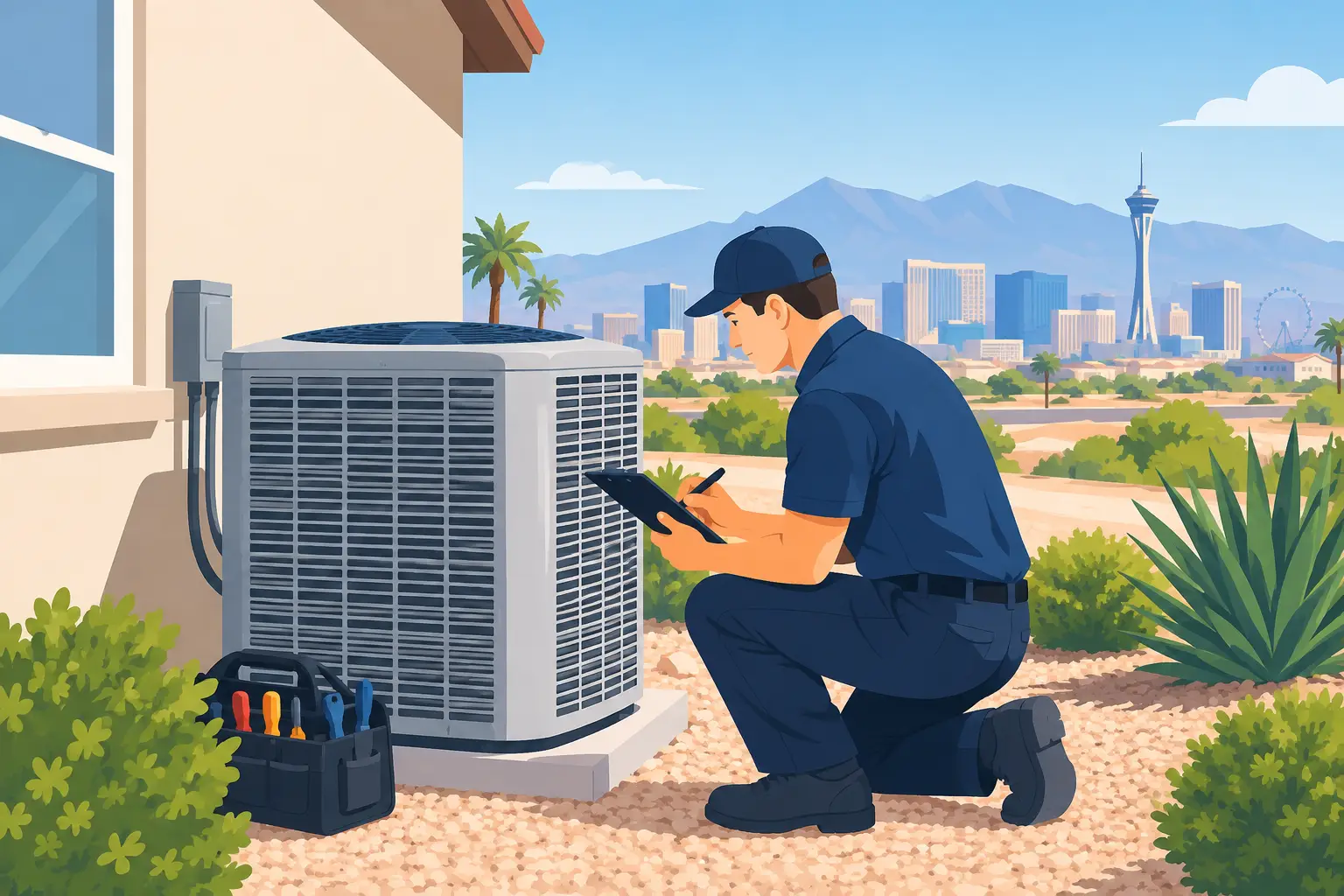
A professional AC inspection is more than changing the filter and confirming that cool air comes from a vent. Filters matter, but a complete service visit evaluates the parts of the system homeowners do not normally see or safely test.
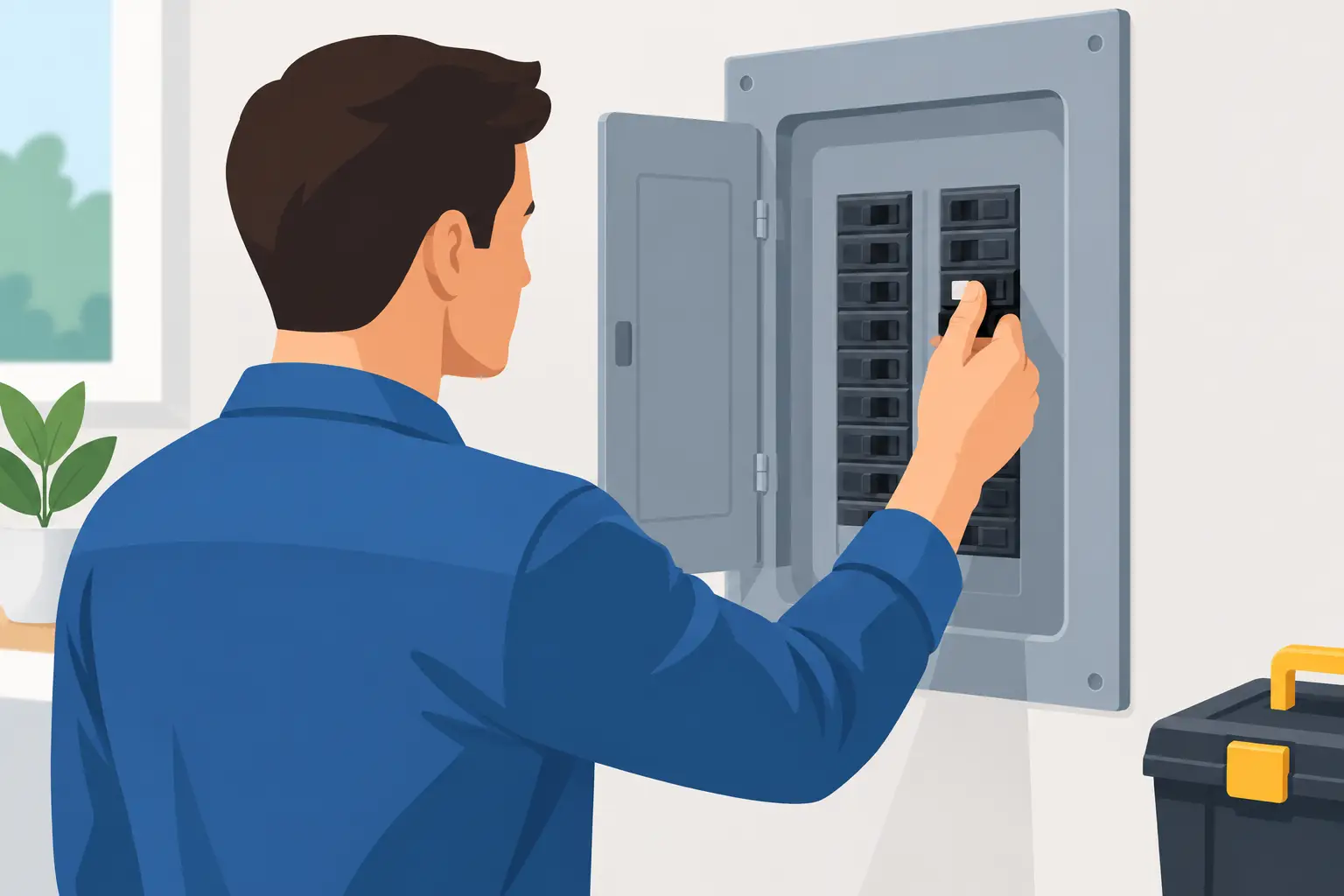
A technician typically checks the thermostat operation, electrical components, safety controls, refrigerant performance, condensate drainage, indoor airflow, and the condition of the outdoor unit. They may clean components as needed, inspect accessible wiring, and look for signs of wear that could lead to a future repair.
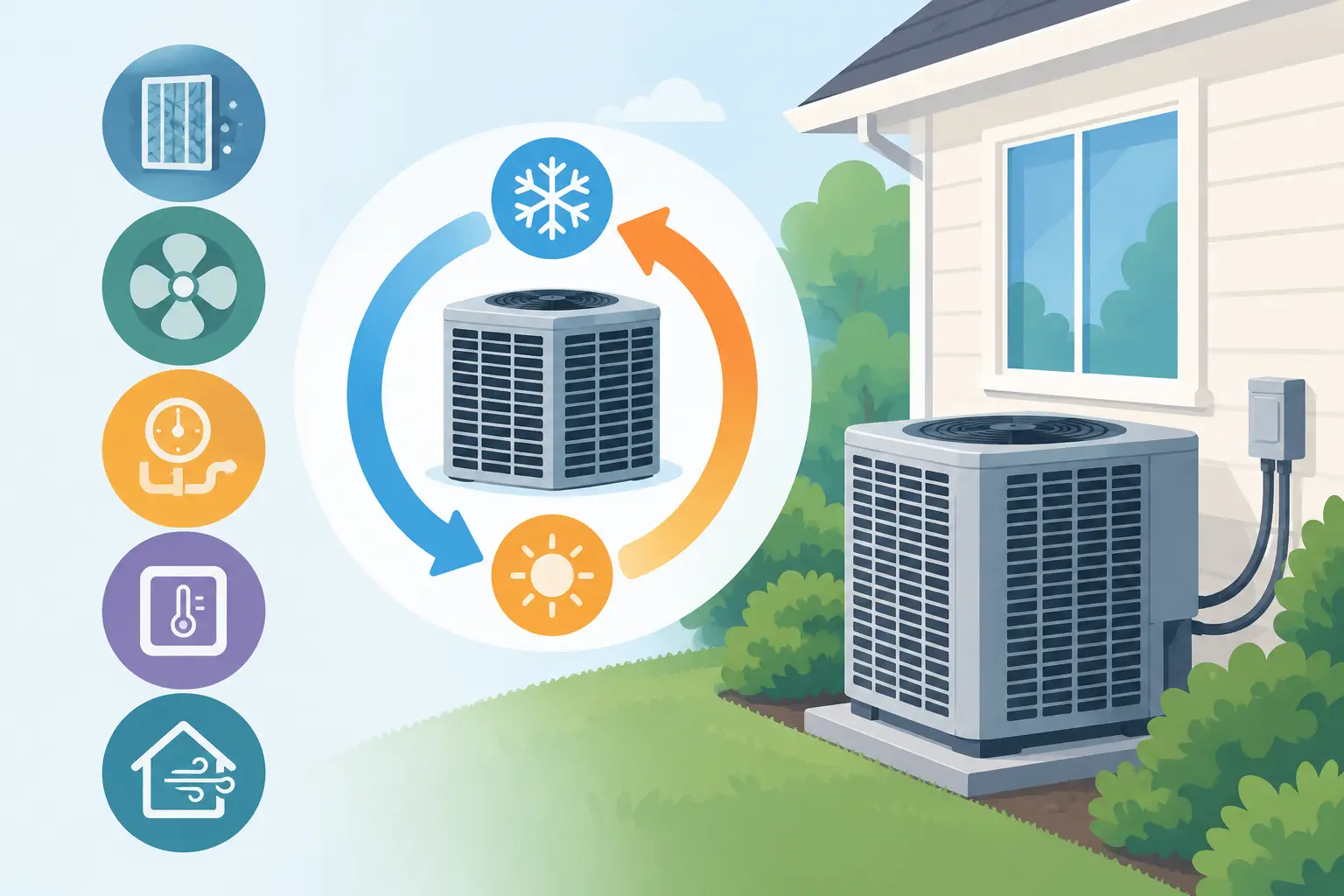
The outdoor condenser deserves particular attention. In Clark County, leaves, cottonwood debris, grass clippings, and general buildup can collect around the unit or its coil. The system needs open airflow to release heat outdoors. When that airflow is blocked, the unit may run longer, use more energy, and experience unnecessary stress.
The indoor side matters just as much. A clogged filter, dirty blower assembly, or drainage issue can limit performance even when the outdoor equipment appears normal. During service, a technician can explain what they found in plain terms and identify whether an immediate repair is needed or whether a component should simply be monitored.
An inspection is not the same as a repair
Annual maintenance is preventative service. It is designed to inspect, clean, test, and identify concerns early. If the technician finds a failed part, refrigerant leak, or more significant mechanical issue, that repair is separate from the routine inspection.
That distinction is useful because it gives property owners better information. Instead of waiting for a complete failure, they can decide whether a repair makes sense now, whether to plan ahead for replacement, or whether the equipment can continue operating safely with monitoring.
When should you schedule AC service?
Spring is usually the best time to schedule annual cooling maintenance. The system can be checked before sustained warm weather arrives, and any needed repair can be addressed before the busiest part of the cooling season. It also gives homeowners more scheduling flexibility than waiting until the first heat wave.
If spring has already passed, it is still worthwhile to schedule service. A midseason inspection can uncover an issue before it turns into a larger repair. Do not wait for next year if you notice reduced cooling, unusual noises, ice on refrigerant lines, frequent cycling, water near the indoor unit, or an unexplained increase in utility costs.
For heat pumps, regular service is especially important because the same equipment often provides both heating and cooling. A heat pump works through much of the year in the Pacific Northwest, so it has fewer long periods of rest than a dedicated air conditioner. Many homeowners choose a maintenance plan that includes seasonal checks for both cooling and heating performance.
Does AC need annual inspection if it is new?
Yes, new equipment should still receive annual professional maintenance. Newer air conditioners and heat pumps are generally more efficient, but they are not maintenance-free. Dust accumulates, electrical connections can loosen through normal operation, and drainage or airflow problems can develop in any system.
Routine service also helps establish a performance baseline. If a technician knows how the system operates when it is in good condition, it is easier to spot changes later. In some cases, manufacturers also require documented professional maintenance to support warranty coverage. Homeowners should review their equipment warranty and keep service records.
A new system may need fewer repairs than an older one, but skipping inspections is not a reliable way to save money. The better approach is to protect the investment from the beginning.
When annual service may not be enough
Once-a-year service is a solid standard for most residential AC systems. However, some situations call for more attention. A system that runs heavily, serves a small commercial space, operates in a dusty environment, or has a history of repairs may benefit from more frequent checks.
Older equipment also deserves closer observation. If an air conditioner is more than 10 to 15 years old and needs repeated repairs, the conversation may shift from maintenance alone to repair-versus-replacement planning. Age is not the only factor. Repair cost, energy use, refrigerant type, overall condition, and expected remaining life all matter.
Property managers should also consider the consequences of downtime. A missed service visit at a rental home or small business can become an urgent repair when temperatures rise. Regular inspections help create a clearer maintenance record and give decision-makers time to plan rather than react.
What homeowners can do between service visits
Professional maintenance handles the technical work, but a few basic habits can support reliable performance throughout the year. Check the air filter regularly and replace it according to the filter type, household conditions, and manufacturer guidance. Homes with pets, construction dust, or heavy system use may need more frequent filter changes.
Keep the area around the outdoor unit clear of leaves, vegetation, stored items, and other obstructions. Do not cover or block the unit while it is operating. Inside, pay attention to changes in airflow, sound, odors, humidity, or thermostat behavior. Those details can help a technician diagnose a problem sooner.
Avoid trying to add refrigerant, open electrical panels, or pressure-wash coils yourself. These tasks require the right tools, safety procedures, and training. A well-meaning do-it-yourself repair can damage sensitive components or hide the source of a larger problem.
Dependable cooling starts before the heat arrives
Annual AC inspection is a practical form of home and business maintenance, not an unnecessary extra. It helps identify wear, supports energy-efficient operation, and gives you a better chance of avoiding a sudden loss of cooling when you need it most.
For homeowners and local businesses in Washougal, Vancouver, and across Clark County, Creekside HVAC provides expert heating and cooling services with clear recommendations and dependable local support. Scheduling service before the warm season gives your system the attention it needs and gives you more confidence when the temperature climbs.