A heating replacement is rarely a planned purchase. When an older furnace begins failing on a cold, wet Clark County morning, homeowners need a clear answer: should they install a heat pump or replace it with another gas furnace? The heat pump versus gas furnace decision comes down to more than the equipment price. Your home’s existing setup, energy costs, comfort expectations, and long-term plans all matter.
For many homes in Washougal, Vancouver, and across Southwest Washington, either system can provide dependable heat. The better choice is the one sized, installed, and matched to the way your property actually uses energy.
Heat Pump Versus Gas Furnace at a Glance
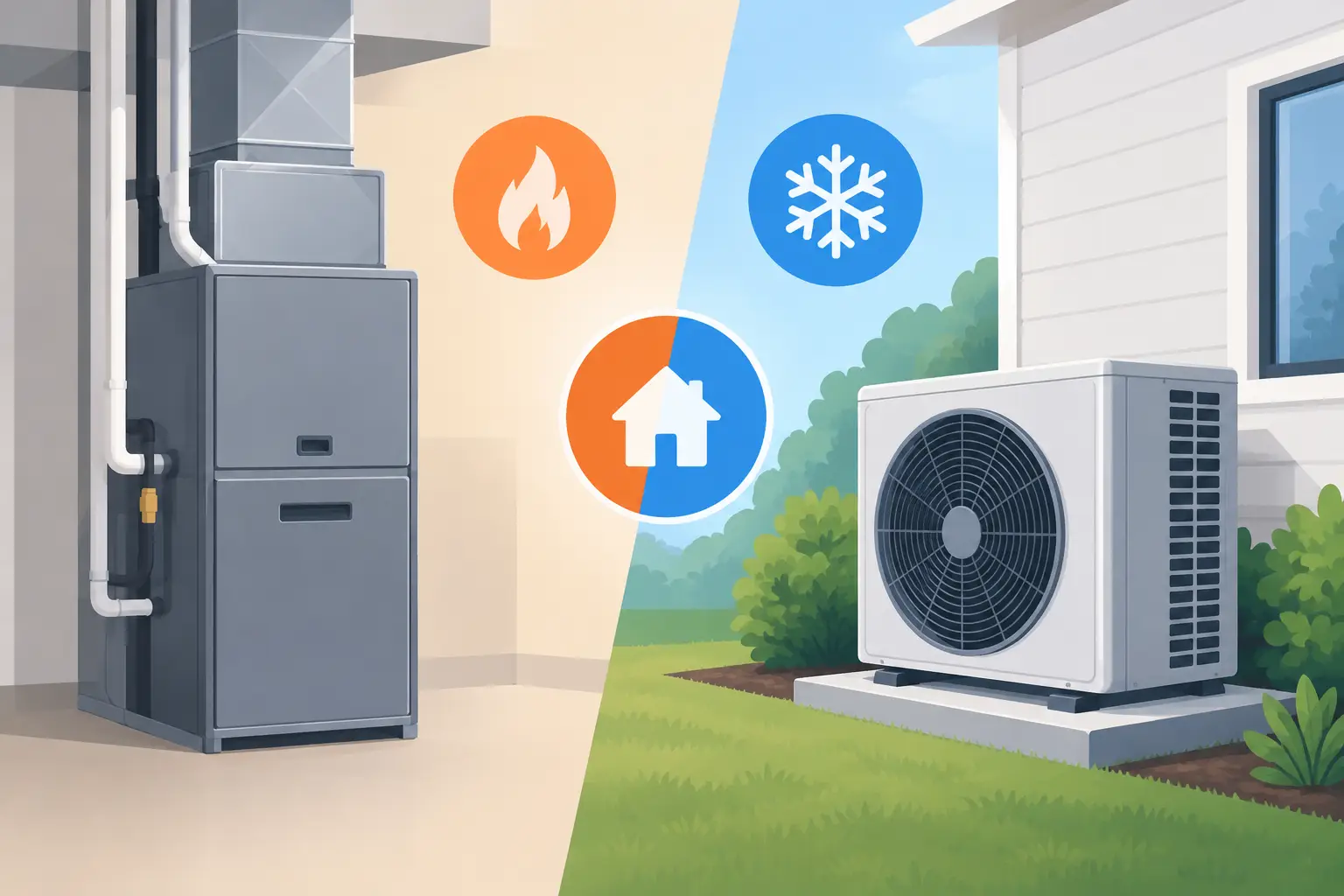
A gas furnace burns natural gas to create heat, then moves that heat through your ductwork. It is a heating-only appliance, so a separate air conditioner is needed for summer cooling.
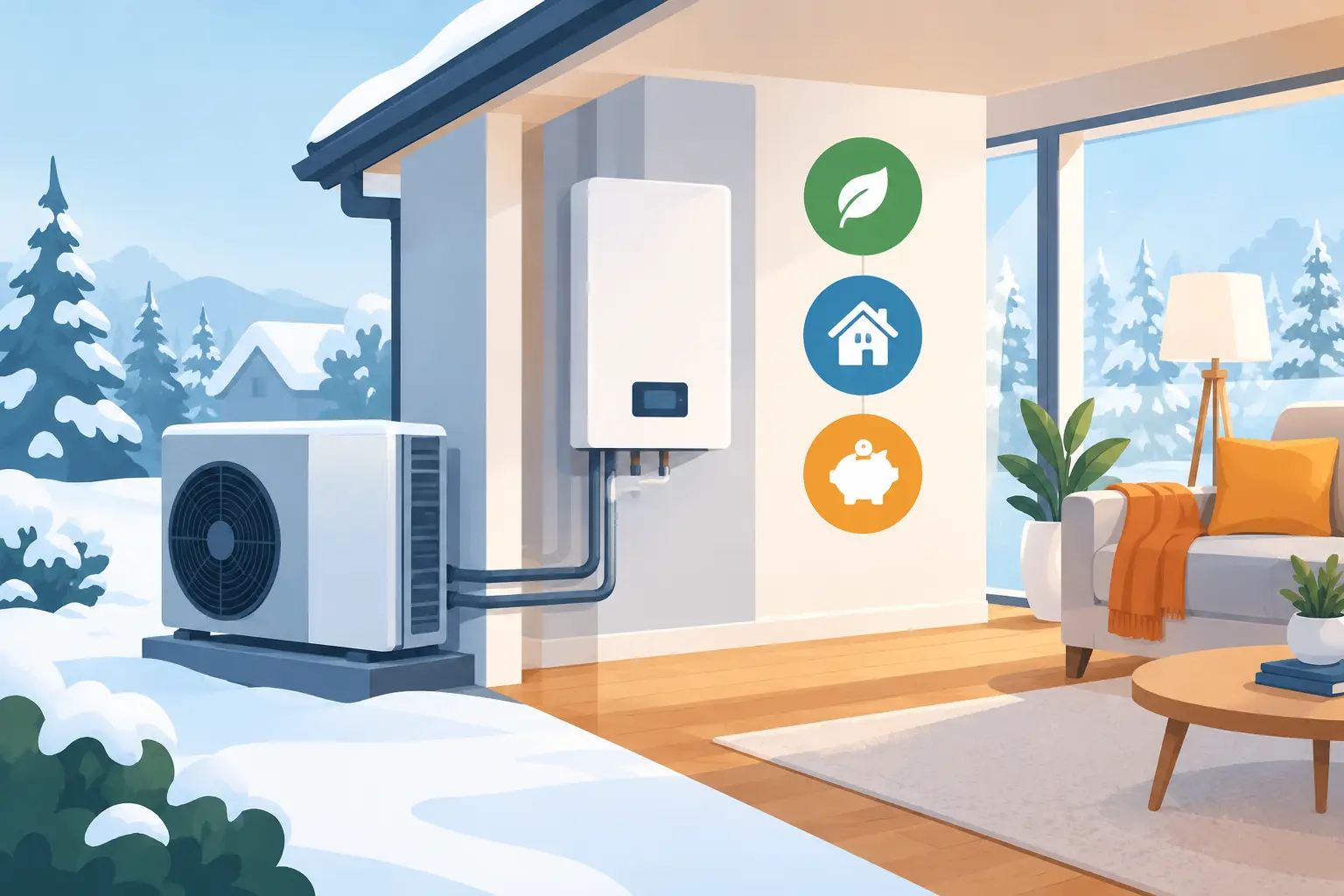
A heat pump does not create heat through combustion. It transfers available heat from outdoor air into the home during winter, then reverses the process to provide air conditioning in summer. In our relatively moderate Pacific Northwest climate, modern heat pumps can handle much of the heating season efficiently while also serving as your cooling system.
The practical difference is simple: a furnace is often the familiar replacement choice for a home already served by natural gas, while a heat pump is an all-in-one heating and cooling option with strong efficiency potential. Neither is automatically right for every home.
When a Heat Pump Makes Sense
Heat pumps are especially worth considering when you need to replace both an aging furnace and an air conditioner. Rather than installing two separate pieces of equipment, a properly selected heat pump can provide year-round comfort from one outdoor unit and one indoor air handler or compatible furnace.
Efficient heating for Southwest Washington weather
Clark County winters are generally cool and damp rather than consistently below zero. That weather profile is favorable for heat-pump operation. A quality cold-climate heat pump can continue heating at low outdoor temperatures, though its capacity and efficiency change as temperatures drop.
Because it moves heat rather than generating it through fuel combustion, a heat pump can deliver more heat energy than the electricity it consumes under the right conditions. That can reduce heating costs for some households, particularly when replacing older, less-efficient equipment. Actual savings depend on electric and natural-gas rates, insulation levels, thermostat settings, duct leakage, and the specific equipment selected.
One system for heating and cooling
A heat pump provides air conditioning as part of the same system. That is a meaningful advantage for homes without central AC or for owners facing replacement of both a furnace and an aging air conditioner. Summers in Vancouver and Washougal may be shorter than in hotter parts of the country, but reliable cooling has become more valuable during heat waves and smoky periods when windows need to stay closed.
Heat pumps also tend to provide longer, gentler heating cycles than furnaces. Many homeowners find that creates more even room temperatures. The supply air may not feel as hot as furnace air at the vent, but the home can still reach and maintain a comfortable temperature.
Important heat-pump considerations
A heat pump must be selected for heating performance, not just cooling capacity. The outdoor unit, indoor equipment, refrigerant lines, electrical service, ductwork, and controls must work together. An oversized system may short-cycle and waste energy, while an undersized system may rely too heavily on supplemental heat during colder weather.
Defrost cycles are also normal in wet winter weather. Frost can collect on the outdoor coil, and the system periodically reverses operation briefly to clear it. Proper installation and drainage help the unit handle this process as intended.
When a Gas Furnace Is the Better Fit
A high-efficiency gas furnace remains a practical, reliable option for many local homes. It can be an especially straightforward choice when the home already has natural-gas service, usable ductwork, and a separate air conditioner that still has service life remaining.
Strong heat output in cold weather
Gas furnaces deliver hot air quickly and maintain their rated heating capacity even when outdoor temperatures fall. For homeowners who prefer a fast temperature recovery after a thermostat setback or who have a home with higher heat loss, that performance can be appealing.
A modern high-efficiency furnace can also be a sensible replacement for an older unit with frequent repairs, inconsistent operation, or high fuel use. Proper sizing still matters. Installing a bigger furnace than the home needs does not improve comfort and can create short cycling and unnecessary wear.
Lower complexity when replacing furnace only
If your air conditioner is relatively new and compatible equipment is available, replacing only the furnace may involve less upfront work than converting to a full heat-pump system. The total project cost can be lower in that situation, although the best comparison should account for future air-conditioning replacement as well.
A furnace does require gas piping, combustion venting, and regular safety checks. Its blower, controls, and ignition components also need electricity, so a standard gas furnace will not operate during a power outage unless the home has an appropriately sized backup power solution.
Compare Operating Cost, Not Just Installation Price
The installed price matters, but it should not be the only number guiding a replacement decision. A heat pump can have a higher upfront cost than a furnace-only replacement, particularly if electrical upgrades, duct modifications, or new indoor equipment are needed. On the other hand, it replaces the role of both a furnace and an air conditioner.
Gas furnaces may cost less to install in a like-for-like replacement, especially where gas service and venting are already in place. Operating costs, however, are affected by utility rates and seasonal weather. Incentives, tax credits, and utility programs may also change the math, and availability or eligibility can vary.
The most useful estimate compares the full scope: equipment, installation, expected maintenance, remaining life of existing AC equipment, likely energy use, and any required upgrades. A trusted HVAC company should explain the assumptions behind those numbers instead of promising a savings figure that may not match your home.
Your Ductwork and Home Envelope Matter
The heating equipment gets most of the attention, but ducts and insulation strongly affect the result. Leaky ducts can send conditioned air into crawlspaces or attics. Poor return-air design can create noisy operation, weak airflow, and rooms that never feel balanced. A system that is correctly sized on paper can still disappoint if the distribution system is not addressed.
Before recommending a heat pump or furnace, an experienced technician should consider the home’s square footage, layout, window exposure, insulation, duct condition, and existing equipment performance. This is more dependable than choosing based only on the size of the old unit.
For older homes, duct repairs, air sealing, insulation improvements, or zoning solutions may provide meaningful comfort gains alongside equipment replacement. For commercial spaces and rental properties, operating schedules and occupancy patterns should be part of the conversation as well.
Is Dual Fuel Worth Considering?
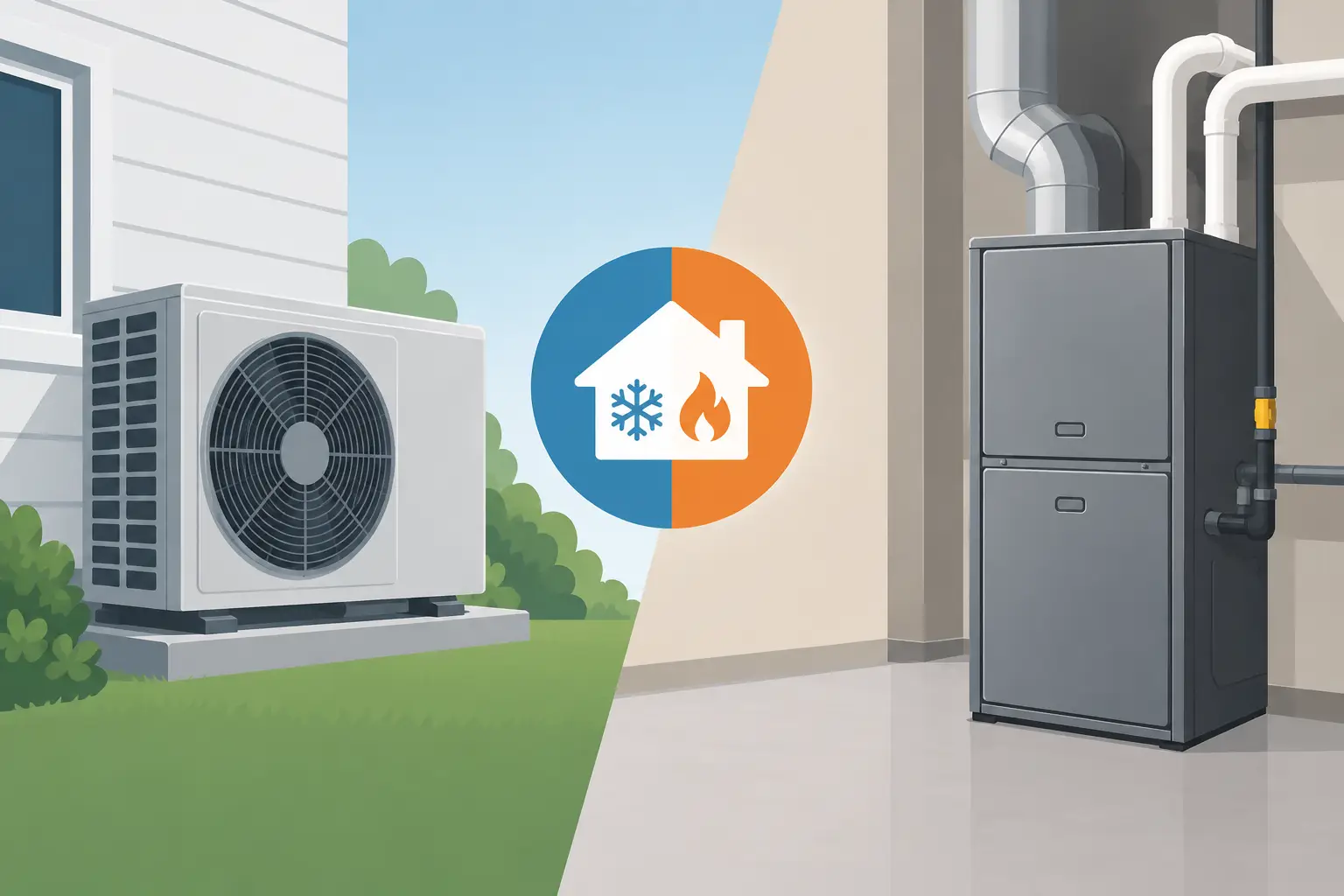
Some homes can use a dual-fuel setup: a heat pump handles most heating and cooling, while a gas furnace provides supplemental heat during colder conditions. Controls switch between the systems based on outdoor temperature and operating cost settings.
Dual fuel can offer excellent flexibility, but it is not necessary for every property. It adds equipment cost and should be designed carefully. In a well-insulated home with the right cold-climate heat pump, an all-electric system may be a strong option. In another home with existing gas infrastructure, higher heat loss, or specific comfort priorities, a furnace or dual-fuel design may be more practical.
Choose the System That Matches Your Home
The best heating decision is not a national trend or a one-size-fits-all answer. It is a clear recommendation based on your home, your existing equipment, and the way Southwest Washington weather affects comfort throughout the year.
If your furnace is aging, your heat pump is struggling, or you are planning an upgrade before the next cold spell, Creekside HVAC can evaluate the system as a whole and explain the options in plain language. The right installation should leave you with dependable heat, balanced airflow, and a system you can count on when the weather turns.