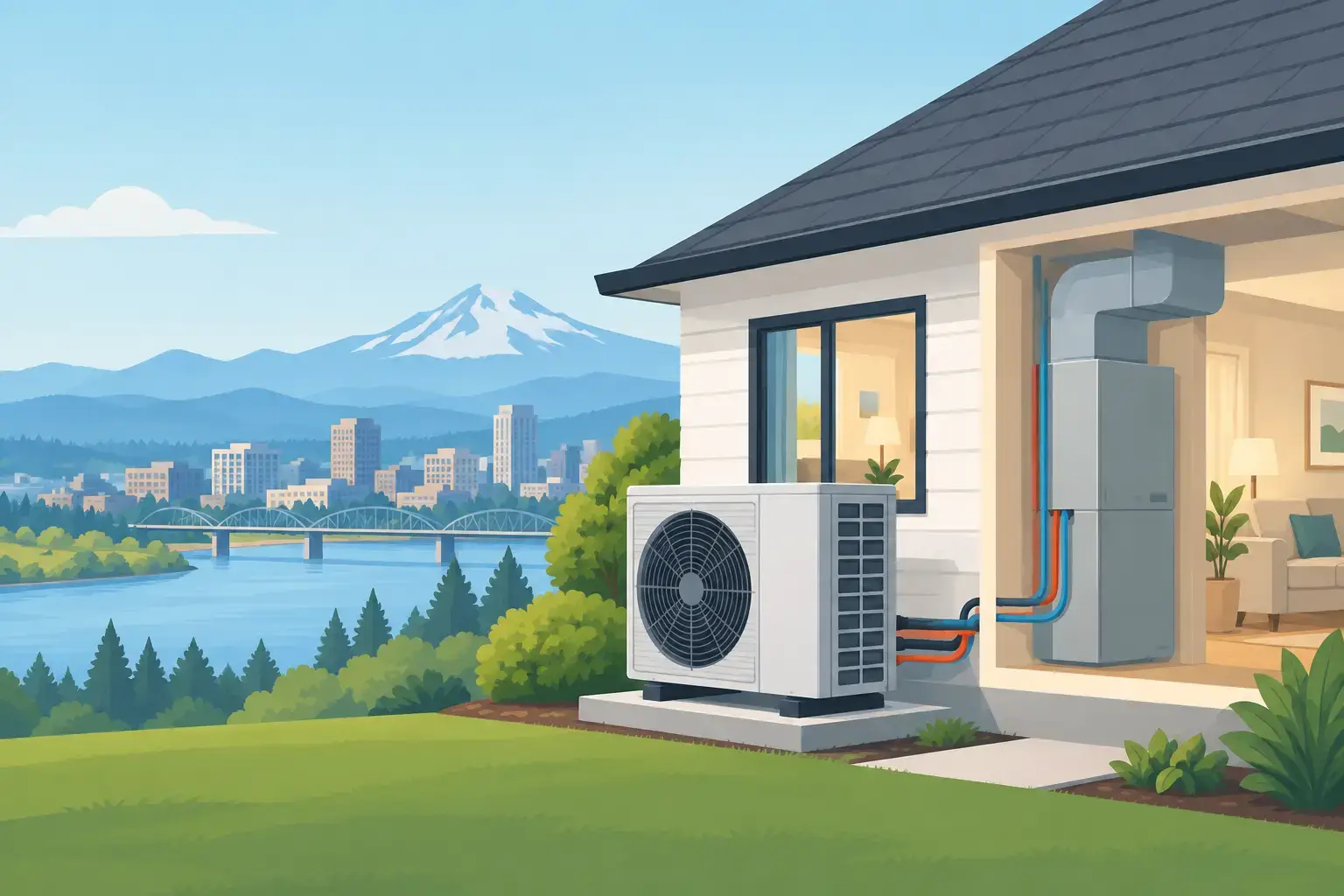
A heat pump that runs but does not keep the house comfortable can be more than an inconvenience in Vancouver. During a damp winter cold spell or a warm summer afternoon, small performance issues can quickly turn into higher utility bills and uneven temperatures. Timely heat pump repair Vancouver WA homeowners can rely on helps protect comfort, prevent avoidable equipment damage, and restore dependable heating and cooling.
Heat pumps work year-round, unlike a furnace or air conditioner that may sit unused for part of the year. That steady workload makes regular service and prompt diagnostics especially valuable. If your system is making new noises, short cycling, blowing lukewarm air, or struggling to reach the thermostat setting, it is time to look beyond a quick thermostat adjustment.
Signs You Need Heat Pump Repair in Vancouver WA
Some heat pump problems are obvious, such as a system that will not turn on. Others begin quietly. A heat pump may still operate while losing efficiency, putting added strain on electrical components, motors, and the compressor. Paying attention to changes in performance gives you a better chance of addressing the problem before it becomes a larger repair.
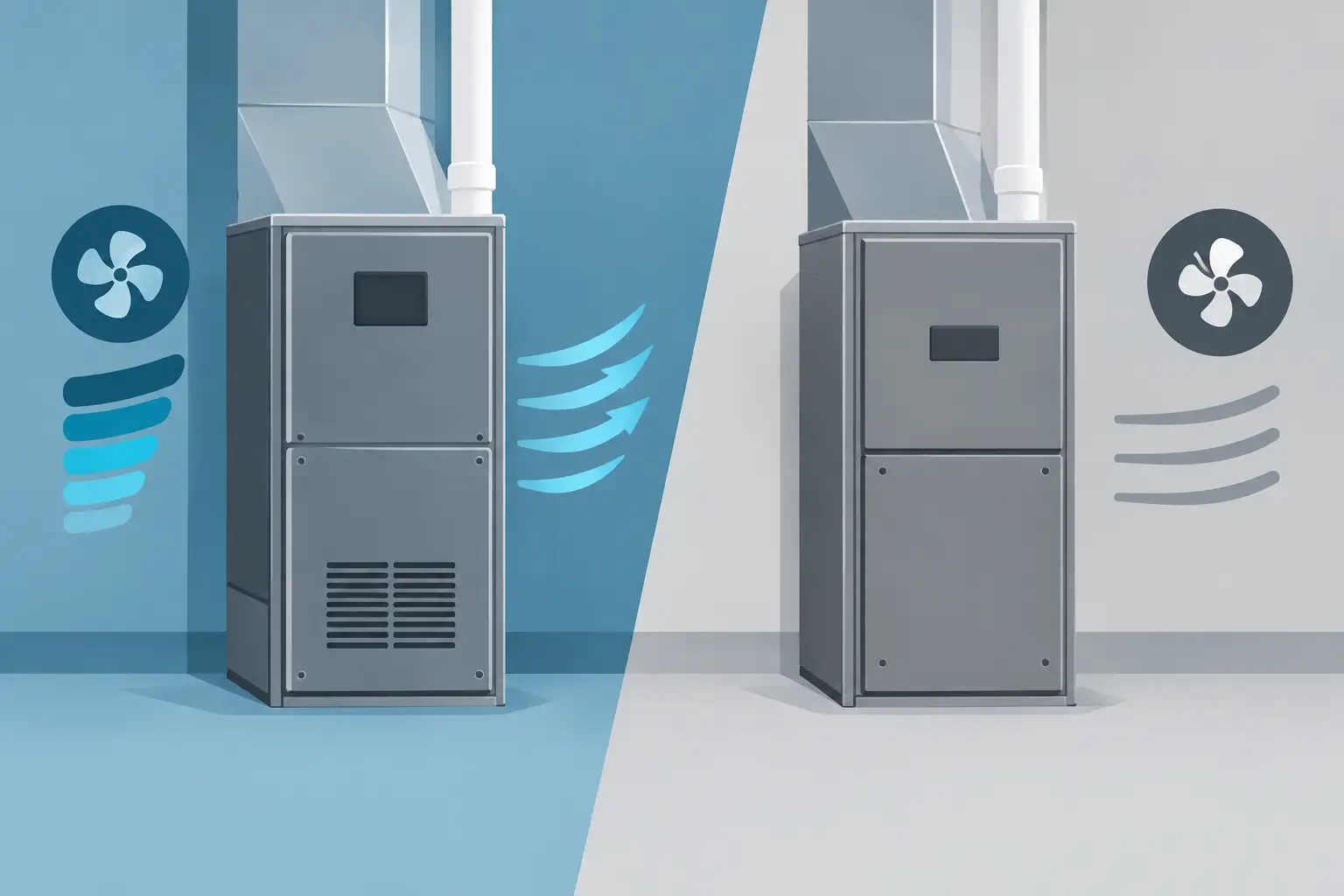
One common concern is weak heating or cooling. In heating mode, the air coming from supply vents will usually feel warmer than the room, though it may not feel as hot as air from a gas furnace. If the home never reaches the set temperature, certain rooms are consistently uncomfortable, or the air feels cool when it should be heating, the system needs a professional evaluation.
Frequent cycling is another warning sign. A heat pump should run in cycles, but it should not start and stop every few minutes. Short cycling can stem from airflow restrictions, thermostat issues, refrigerant concerns, electrical faults, or equipment that is not properly matched to the space. Letting the system continue to short cycle can increase wear and raise operating costs.
Unusual sounds also deserve attention. A brief changeover sound during a defrost cycle can be normal. Grinding, squealing, buzzing, rattling, or repeated clicking is not something to ignore. These noises can point to loose parts, a failing blower motor, an electrical component issue, or trouble in the outdoor unit.
Other signs worth scheduling service for include:
- Ice that remains on the outdoor unit for long periods or returns repeatedly
- Water leaking indoors near the air handler
- Burning, musty, or electrical odors from the system or vents
- A sudden increase in power bills without a change in household energy use
- A breaker that trips when the heat pump starts or operates
A dirty air filter can cause airflow problems, so checking and replacing a clogged filter is a reasonable first step. Beyond basic filter maintenance and thermostat settings, heat pump work should be handled by a trained HVAC professional. Refrigerant, high-voltage electrical components, and sealed-system diagnostics require the right tools and experience.
Why Vancouver Weather Can Expose Heat Pump Problems
Southwest Washington weather asks a lot from heat pumps. The system may shift from heating on a cool, wet morning to reduced operation later in the day, then return to heating overnight. In summer, it needs to manage indoor humidity and cooling demand. Those changing conditions can reveal problems that are less noticeable in a more stable climate.
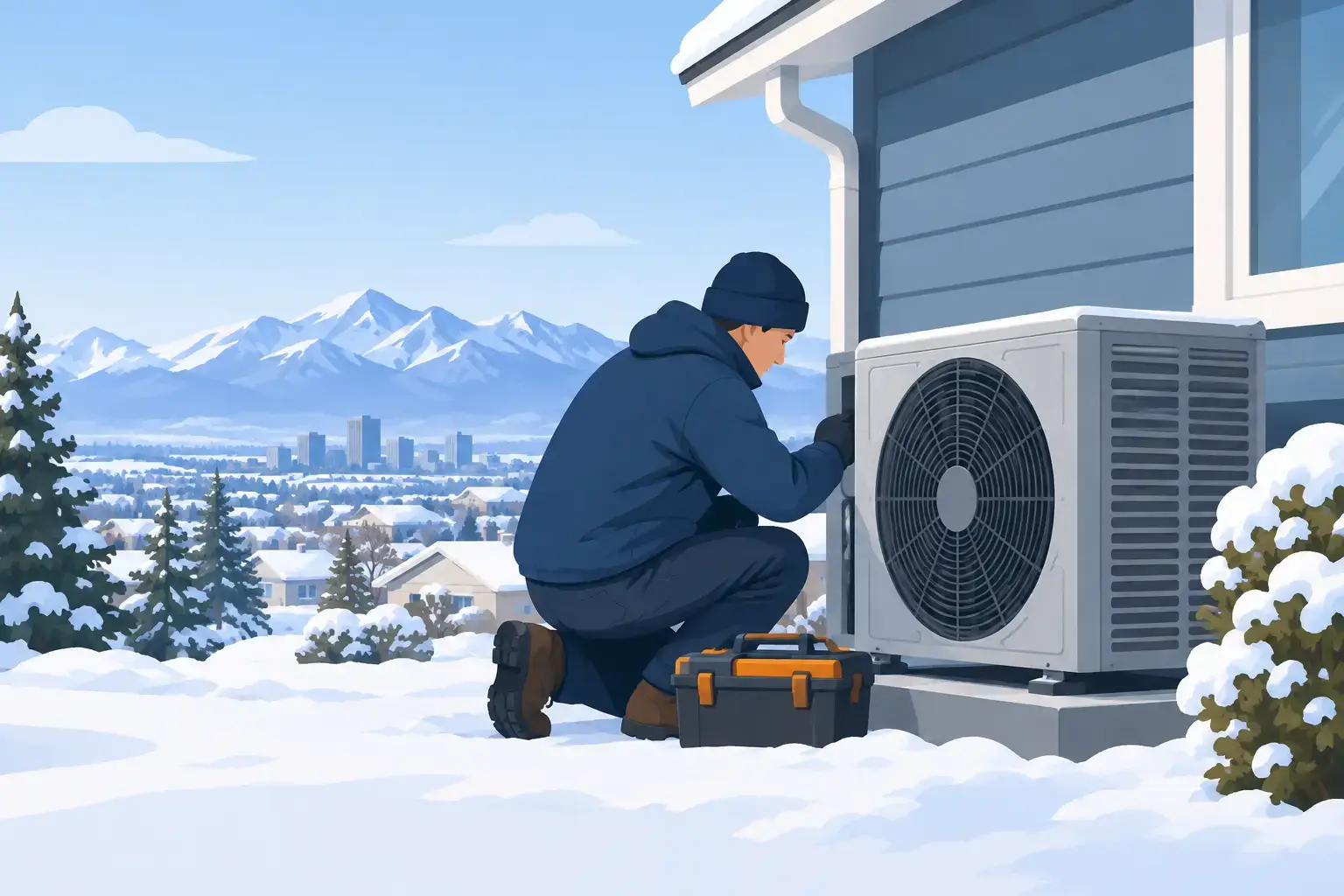
During winter, a properly operating heat pump periodically enters a defrost cycle to clear frost from the outdoor coil. Steam rising from the outdoor unit during defrost can be normal. Heavy ice buildup that does not clear, however, is not. It may indicate a defrost control problem, a sensor issue, restricted airflow, or another condition that limits the unit's ability to transfer heat.
Rain, leaves, and debris also matter. The outdoor unit needs open airflow around the coil. Shrubs, grass clippings, leaves, and stored items can restrict performance and contribute to unnecessary strain. Homeowners can keep the area around the unit clear, but cleaning coils or opening equipment panels is best left to a technician.
What a Professional Heat Pump Repair Visit Should Include
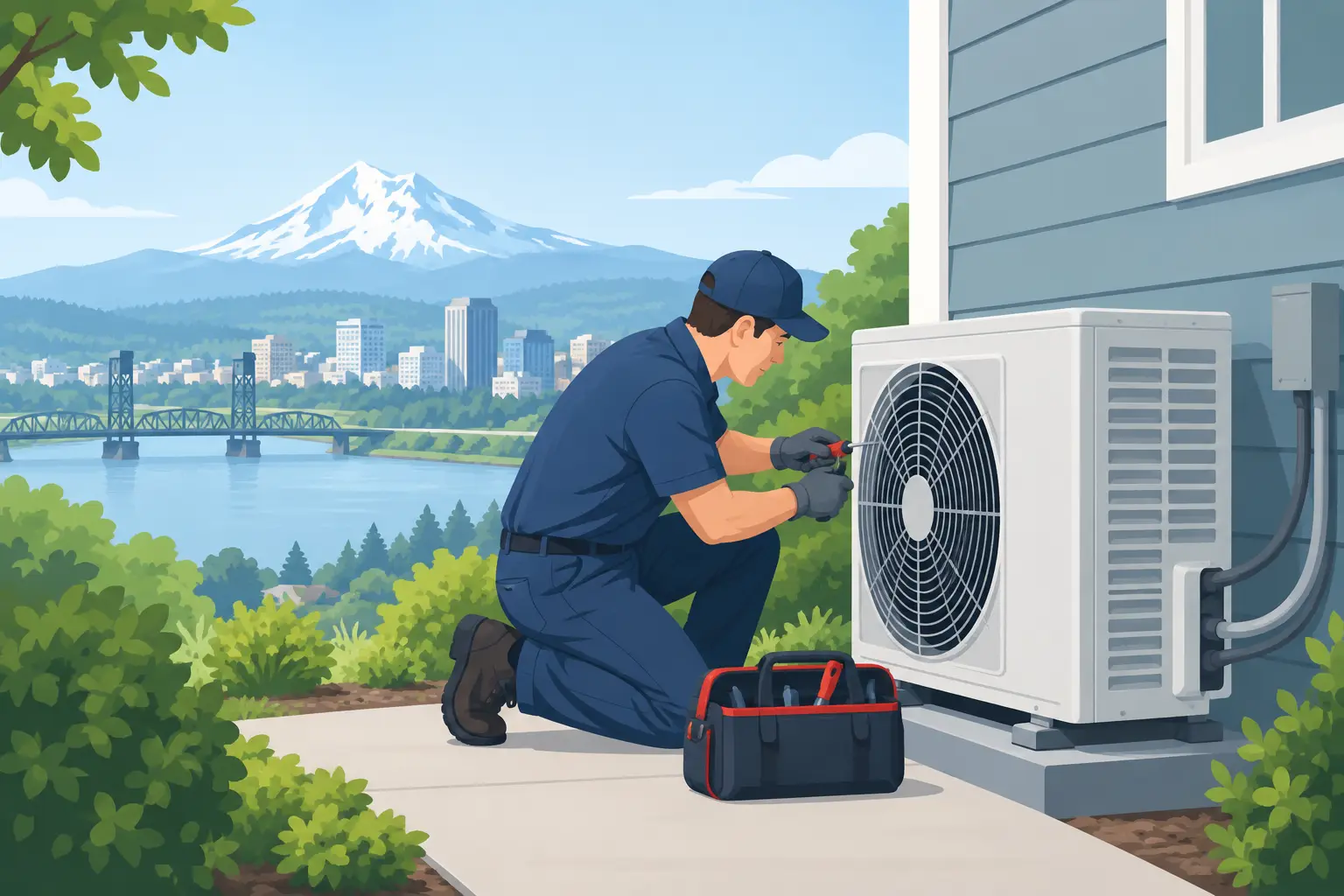
A dependable repair starts with diagnosis, not guesswork. Replacing a part without identifying the reason it failed can lead to another service call and continued comfort problems. A qualified technician should assess how the system is operating as a whole.
That process typically begins with the thermostat, filters, indoor airflow, and electrical connections. The technician may inspect capacitors, contactors, control boards, motors, drain components, and the outdoor unit. They can also check refrigerant performance, temperature differences, and system pressures when appropriate.
The goal is to identify both the immediate failure and any contributing issue. For example, a failed capacitor may prevent the outdoor unit from starting, but the technician should also look for signs of overheating, electrical wear, or airflow conditions that could affect long-term performance. Clear communication matters here. You should understand what is wrong, what repair is recommended, and what the expected next step will be before work begins.
For property managers and small business operators, fast diagnosis can be particularly important. A heat pump problem can affect tenant comfort, customer experience, inventory conditions, and day-to-day operations. Keeping service records and addressing small issues promptly can reduce the chance of an unexpected outage during peak heating or cooling weather.
Repair or Replacement: How to Make the Right Call
Not every heat pump problem means replacement is necessary. Many issues, including electrical component failures, drain problems, thermostat faults, and some motor repairs, can be addressed effectively when the equipment is otherwise in good condition. The right decision depends on the system's age, maintenance history, repair needs, efficiency, and overall reliability.
If a heat pump is relatively new and has been maintained, a targeted repair often makes practical sense. If it is older, needs frequent service, has a major compressor or refrigerant-related issue, or no longer provides dependable comfort, replacement may be worth considering. A new heat pump can improve efficiency and comfort, but only when it is properly sized and installed for the home or commercial space.
The least expensive repair is not always the best value, and replacement is not automatically the answer either. A trusted HVAC company should explain the trade-offs clearly. That includes the immediate repair cost, the likelihood of future repairs, expected efficiency, and whether the existing equipment is meeting the building's heating and cooling needs.
Steps You Can Take Before Service Arrives
If your heat pump is not working correctly, start with safe, simple checks. Confirm that the thermostat is set to the correct mode and temperature. Check the air filter and replace it if it is visibly dirty. Make sure supply vents are open and not blocked by furniture or rugs.
Then look at the outdoor unit from a safe distance. Remove loose leaves or debris around it, but do not chip ice off the coil, remove panels, or attempt electrical repairs. If you smell burning, hear severe mechanical noise, see damaged wiring, or the breaker continues to trip, turn the system off and request professional service.
Avoid repeatedly resetting breakers or cycling the system on and off in hopes that it will restart. Repeated attempts can place added stress on a failing component. If the system is operating but struggling, use the information you have noticed - when the problem began, what sounds you hear, whether it affects heating, cooling, or both - to help the technician diagnose it efficiently.
Reliable Local Heat Pump Service Matters
Heat pump repair is not just about getting equipment to turn back on. It is about restoring consistent comfort, managing energy use, and helping your system handle Clark County's changing weather. Local technicians understand the conditions homes and businesses face in Vancouver, Washougal, and nearby communities.
Creekside HVAC provides expert heating and cooling services for homeowners, property managers, and local businesses that need a practical answer to a heat pump problem. Whether the issue is an urgent loss of heating, weak cooling, unusual system behavior, or a question about repair versus replacement, a thorough diagnosis helps you make a confident decision.
When your heat pump starts showing signs of trouble, acting early can often protect both your comfort and your equipment. A professional evaluation gives you a clear path forward instead of leaving you to guess through the next shift in the weather.