A furnace rarely chooses a convenient time to fail. It may start short-cycling on a cold, wet Clark County morning, leave bedrooms unevenly heated, or stop producing heat when your household needs it most. Furnace replacement is a major home decision, but waiting until a complete breakdown can limit your options and create unnecessary stress.
For homeowners, property managers, and local businesses in Washougal, Vancouver, and surrounding Clark County communities, the right time to replace a furnace depends on more than its age. Repair history, energy use, safety, comfort, and the condition of the full HVAC system all matter. A trusted local HVAC company can evaluate the equipment and explain whether a targeted repair or a new installation is the better long-term choice.
When Furnace Replacement Makes More Sense Than Repair
A repair is often the practical answer when a furnace has a clear, isolated problem. A failed igniter, worn blower component, dirty flame sensor, or thermostat issue may be repairable without replacing the entire system. This is especially true for equipment that is relatively new, has been maintained, and has otherwise heated the home reliably.
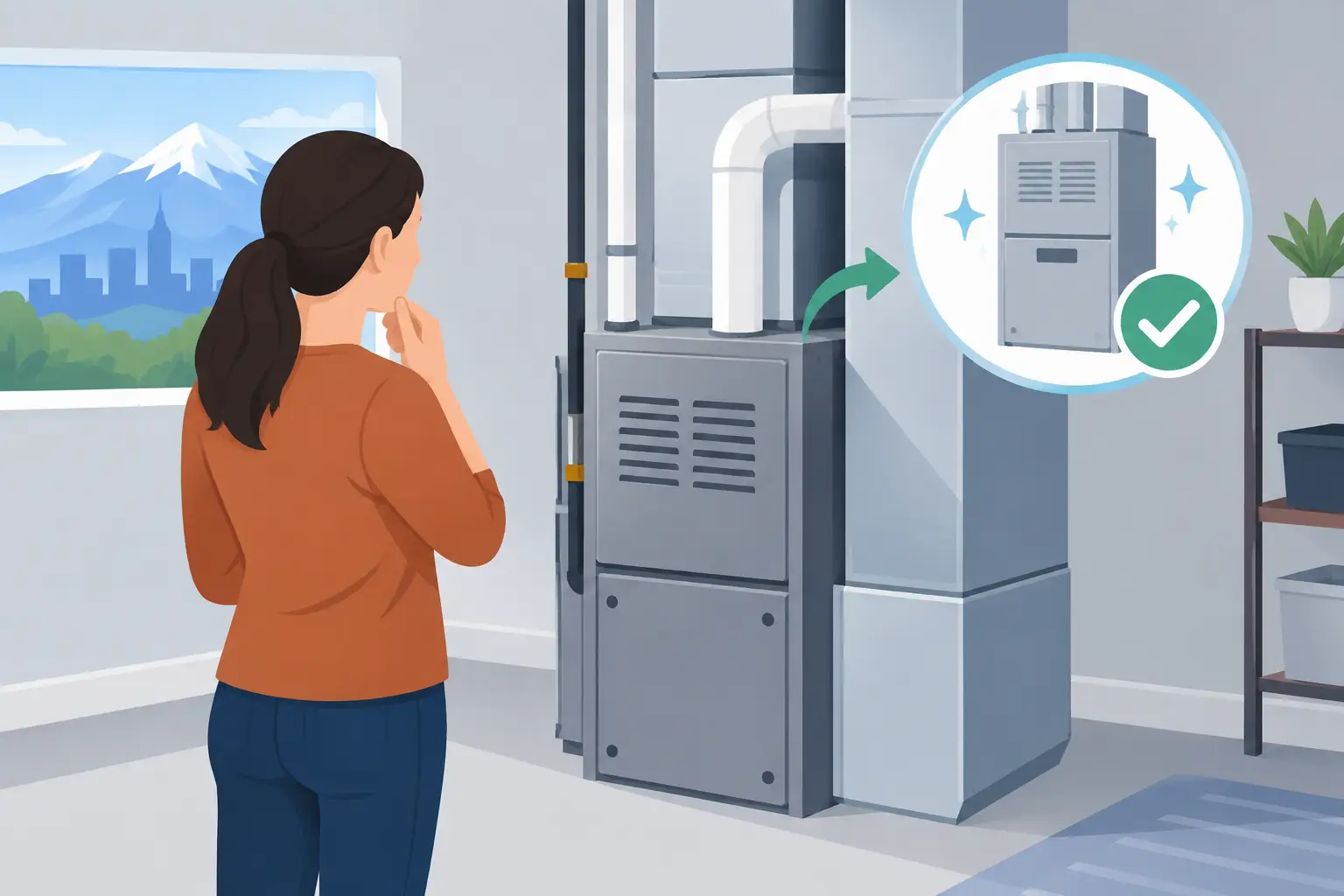
Replacement becomes worth serious consideration when repairs are frequent, expensive, or unable to restore dependable operation. An aging furnace can continue to run while costing more in service calls, utility bills, and inconsistent comfort. At some point, putting more money into an older system stops being the economical choice.
The Furnace Is Near or Beyond Its Expected Service Life
Many gas furnaces provide roughly 15 to 20 years of service, although maintenance, usage, installation quality, and operating conditions can change that range. A well-maintained unit may last longer. On the other hand, a furnace that has run hard through many winters without regular service may develop problems sooner.
Age alone does not require replacement. A 12-year-old furnace with a minor repair need may have years of useful life left. But if a furnace is approaching two decades old and needs a major component, homeowners should compare the repair cost with the benefits of newer equipment. That comparison should include efficiency, warranty coverage, expected reliability, and the likelihood of additional repairs.
Repairs Are Becoming More Frequent
One service call does not mean a furnace is failing permanently. Several service calls over a season tell a different story. If the furnace has needed repeated repairs for ignition issues, blower problems, control board failures, or heat exchanger concerns, replacement may offer more predictable costs and better peace of mind.
A useful question is not simply, “Can this be repaired?” Most furnace components can be repaired or replaced. The better question is, “Will this repair provide reliable heating for the next several years?” An experienced technician should be able to explain the condition of the unit, the urgency of the repair, and what future concerns may be likely.
Heating Bills Keep Rising Without a Clear Explanation
Utility costs naturally change with weather and energy rates. However, a noticeable increase in heating costs with similar thermostat habits can indicate declining furnace performance. Older equipment may lose efficiency as components wear, airflow becomes restricted, or the system struggles to maintain the desired temperature.
A new furnace can reduce fuel use when it is properly sized and installed. The savings vary by home, existing equipment efficiency, insulation levels, duct condition, and how the system is used. A replacement should not be sold as an automatic cure for every high utility bill. Duct leaks, poor insulation, thermostat settings, and air sealing may also need attention.
Your Home Has Uneven Temperatures or Poor Airflow
Cold bedrooms, warm living areas, weak airflow, or rooms that never feel comfortable can point to furnace performance issues. They can also point to ductwork, return-air, zoning, or insulation problems. This is why a proper assessment matters before selecting replacement equipment.
Installing a larger furnace is not always the answer. Oversized heating equipment can cycle on and off too frequently, create temperature swings, increase wear, and reduce comfort. A professional furnace installation starts with understanding the building, the heating load, existing ductwork, and the needs of the people using the space.
Safety Issues That Can Change the Furnace Replacement Decision
Some furnace concerns require prompt service rather than a wait-and-see approach. If you smell gas, suspect a carbon monoxide issue, see soot around the furnace, or have a carbon monoxide alarm activate, leave the area if necessary and follow appropriate safety procedures. Do not continue operating equipment that may be unsafe.
A cracked heat exchanger is one issue that can change the repair-versus-replacement calculation quickly. The heat exchanger separates combustion gases from the air circulated through the home. Depending on the furnace age, warranty status, and overall condition, replacement of the furnace may be the sensible recommendation.
Yellow or flickering burner flames, rust, water around the unit, unusual banging or rumbling, and frequent shutdowns also deserve professional attention. These symptoms do not automatically mean replacement is required, but they should not be ignored during heating season.
What to Expect From a Professional Furnace Evaluation
A dependable evaluation should begin with the problem you are experiencing, not a one-size-fits-all equipment recommendation. The technician should inspect furnace operation, safety controls, airflow, venting, filter condition, thermostat function, and visible signs of wear. If replacement is being considered, the assessment should also account for the home’s size, layout, insulation, windows, and duct system.
For property managers and small business owners, the review should include operating schedules, occupancy needs, tenant comfort concerns, and the consequences of downtime. A light commercial space may need a different approach than a single-family home, even when the heating complaint sounds similar.
A clear recommendation will distinguish between a repair that can reasonably extend equipment life and a repair that only postpones a larger failure. It should also explain equipment options in plain language. Homeowners should understand the efficiency rating, warranty terms, expected installation scope, and whether related work, such as thermostat upgrades or duct repairs, is recommended.
Choosing the Right New Furnace for Your Property
The best furnace is not necessarily the model with the highest efficiency rating or the lowest upfront price. The right choice balances budget, fuel type, comfort goals, installation conditions, and expected years of occupancy. A homeowner planning to remain in the property for many years may prioritize efficiency and advanced comfort features. A property owner preparing a rental home may focus on dependable operation, available parts, and practical operating costs.
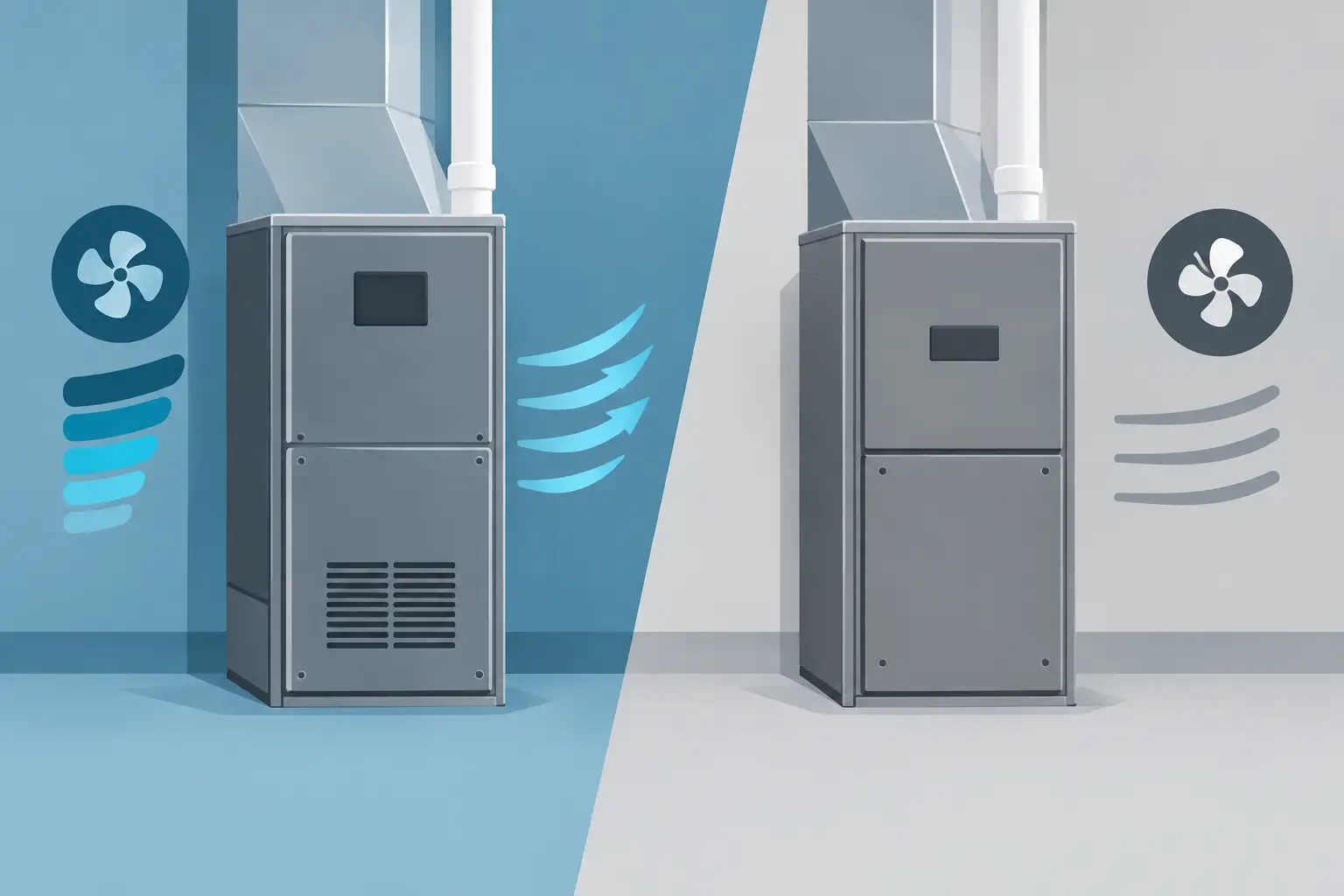
Modern furnaces may offer single-stage, two-stage, or variable-capacity operation. Single-stage units operate at one heating output and can be a practical choice for some homes. Two-stage and variable-capacity systems can improve temperature consistency and run more quietly, particularly when paired with compatible controls and properly designed ductwork. The trade-off is typically a higher initial investment and more system-specific installation requirements.
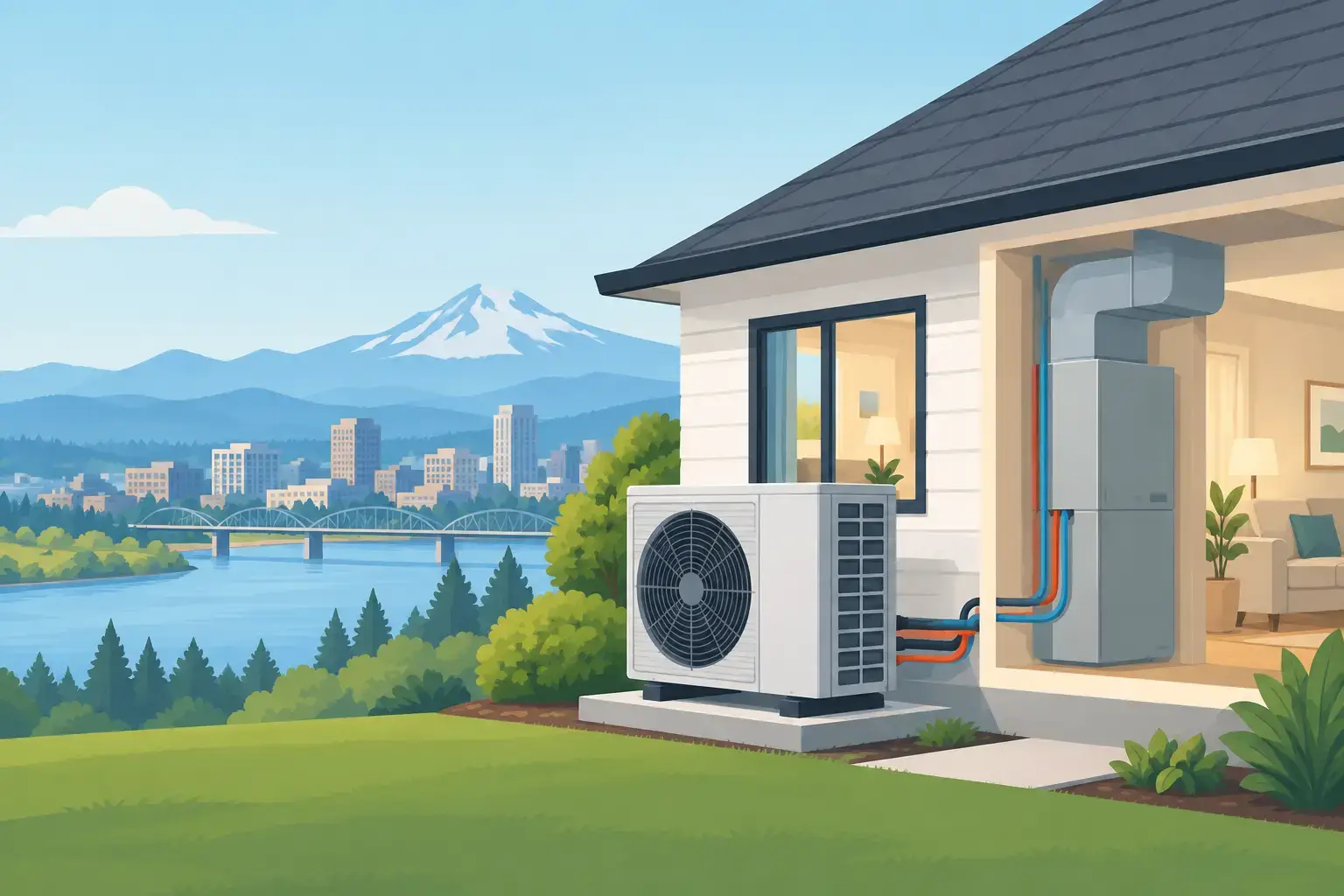
It is also worth considering how the furnace works with the rest of the HVAC system. If the air conditioner is aging, the indoor coil, blower, controls, and refrigerant equipment may affect the overall replacement plan. In many Clark County homes, a heat pump may also be worth discussing as part of an efficient all-season heating and cooling strategy. The best option depends on the property and should be based on a real evaluation, not a generic recommendation.
Why Installation Quality Matters as Much as Equipment
Even high-quality equipment can underperform when installation details are overlooked. Correct sizing, gas connections, venting, electrical work, condensate management, airflow setup, and thermostat configuration all affect safety, comfort, efficiency, and equipment life.
A furnace should be commissioned after installation, not simply turned on. That means verifying operating performance and making the adjustments needed for the system to deliver heat correctly. Attention to these details helps protect the investment and reduces the chance of avoidable comfort problems later.
Creekside HVAC provides expert heating and cooling services for homeowners and local businesses that need a clear answer about repair, furnace installation, or broader HVAC system concerns. Local service matters when you need a contractor who understands the weather, housing styles, and comfort expectations across Southwest Washington.
Plan Before a Complete Furnace Failure
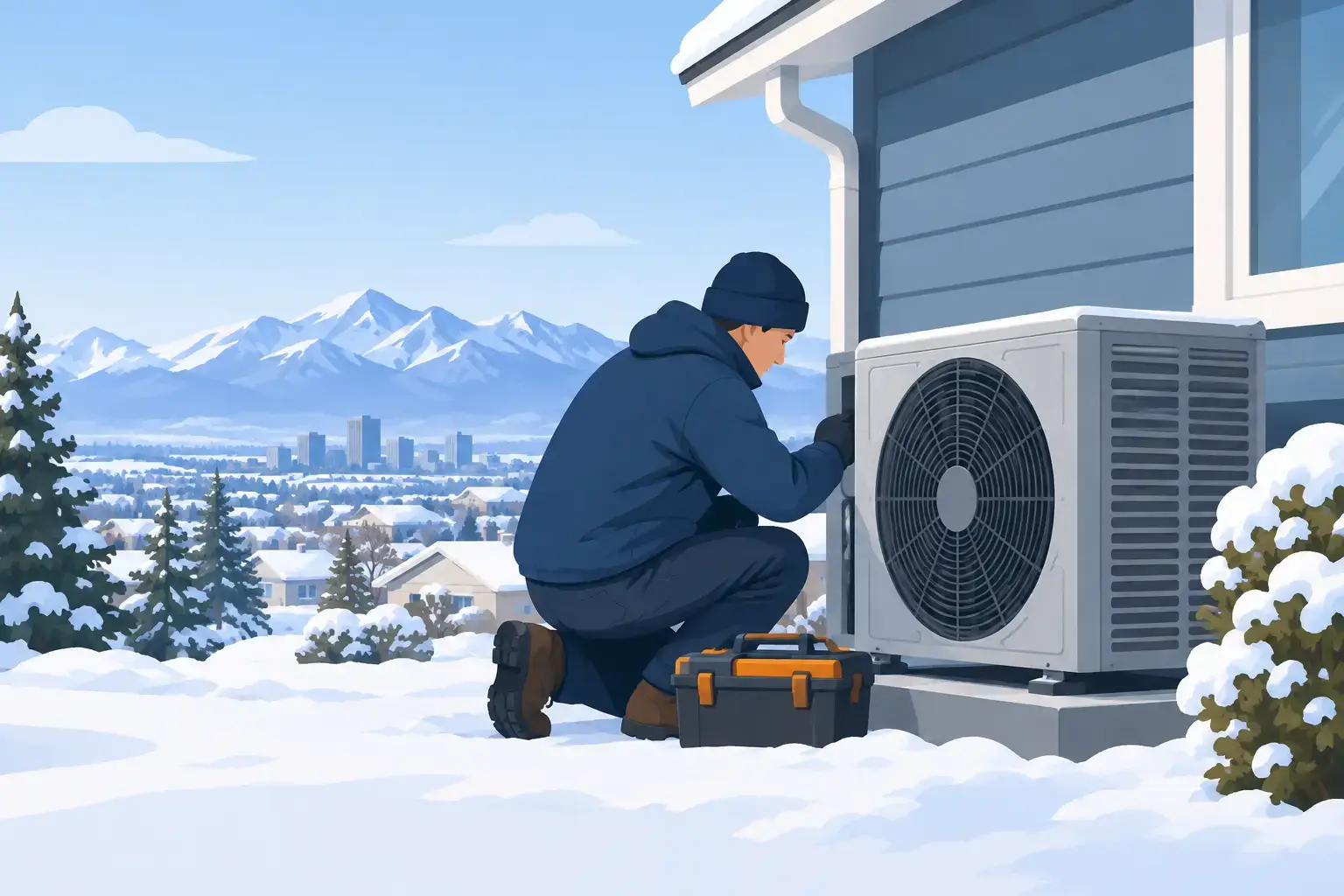
If your furnace is still operating but showing its age, schedule an evaluation before the coldest stretch of the year. Planning ahead gives you time to compare options, ask questions, and make a decision based on long-term value rather than an emergency deadline.
A dependable heating system should feel like part of the background of daily life. When your furnace begins demanding too much attention, a professional assessment can help you move forward with a solution that keeps your property comfortable when the weather turns cold.