A furnace that runs intermittently, leaves rooms unevenly heated, or drives up utility costs can turn a damp Clark County winter into a daily frustration. Furnace installation Clark County homeowners can depend on starts with more than choosing a new unit. It requires accurate sizing, careful installation, and a contractor who understands how Southwest Washington homes handle cool, wet weather.
For homeowners, property managers, and small business operators, a new furnace is a long-term comfort decision. The right system should provide dependable heat without wasting energy or creating unnecessary repair concerns. A qualified local HVAC professional can help you weigh the condition of your current equipment, your building's needs, and the heating options that make sense for your budget.
When Furnace Replacement Makes More Sense Than Repair
No furnace lasts forever, but a single repair does not automatically mean replacement is necessary. Many issues, including a failed igniter, dirty flame sensor, thermostat problem, or worn blower component, can be corrected with a targeted repair. If your furnace is otherwise operating safely and efficiently, repair may be the practical choice.
Replacement becomes a stronger consideration when the system is near or beyond its expected service life, commonly 15 to 20 years for a well-maintained gas furnace. Frequent breakdowns, rising repair costs, uneven heating, unusual noises, and a noticeable increase in fuel use can all point to declining performance. A cracked heat exchanger is another serious concern that requires prompt professional evaluation because it can affect safe operation.
The decision often comes down to the overall condition of the furnace, not one part alone. A trusted HVAC company should explain what has failed, what repair would cost, and whether the rest of the equipment is likely to remain reliable. Clear information helps you avoid replacing a furnace too soon while also preventing repeated spending on equipment that is no longer a sound investment.
What Proper Furnace Installation in Clark County Includes
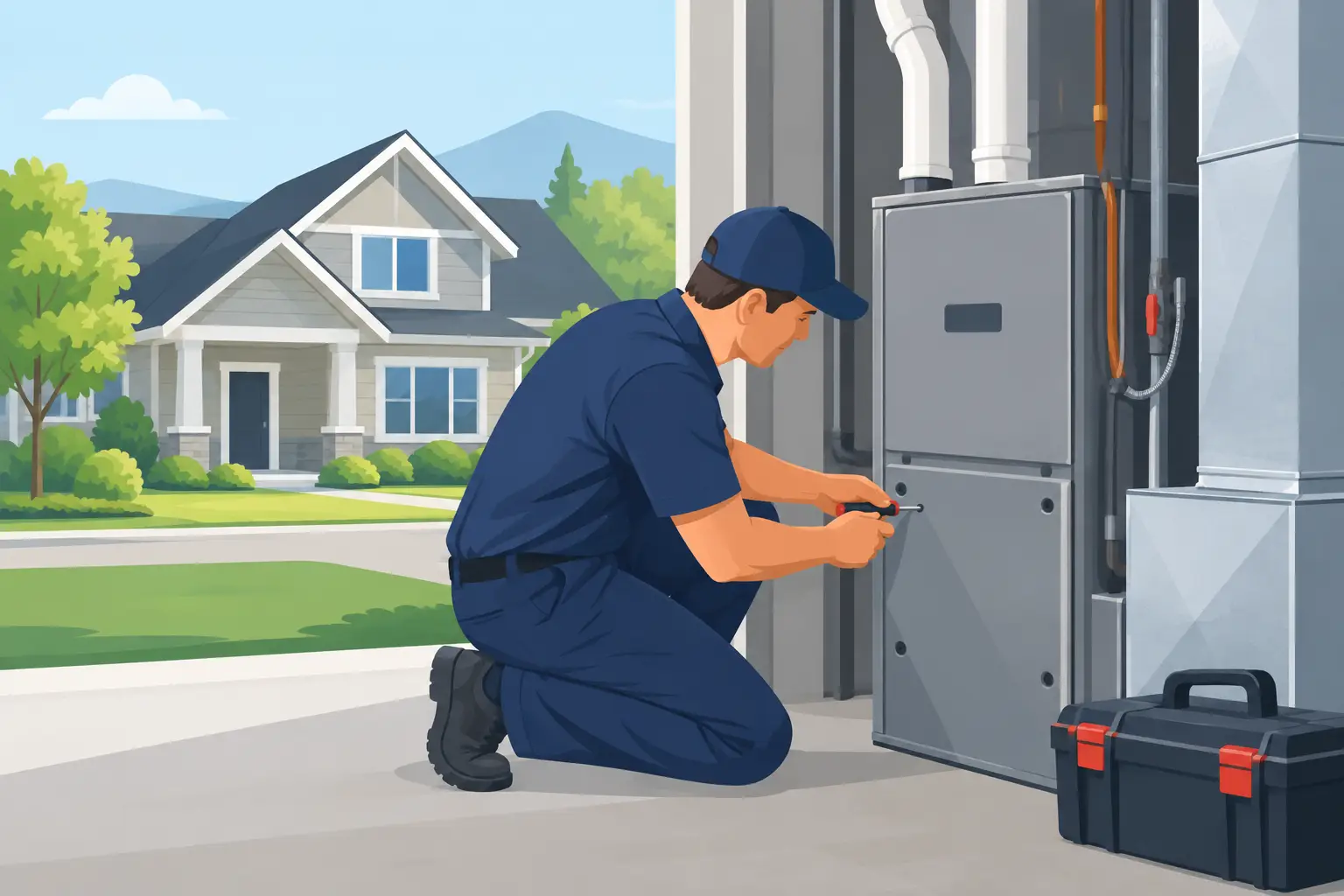
A furnace can have strong efficiency ratings on paper and still underperform if it is installed incorrectly. Proper installation affects comfort, equipment lifespan, energy use, and safety. It is not simply a matter of removing one furnace and placing another in the same location.
The process begins with an assessment of the home or commercial space. A technician should consider square footage, insulation, window condition, ceiling height, sun exposure, ductwork, and how the building is actually used. A home with a large open living area and a small upstairs bedroom zone may need a different approach than a compact, well-insulated home of the same size.
Correct sizing is especially important. An oversized furnace may heat the space too quickly, then shut down and restart repeatedly. This short cycling can create temperature swings, add wear to components, and reduce efficiency. An undersized furnace may run for long periods without reaching a comfortable indoor temperature during colder weather. The best capacity is based on a load calculation, not a guess based only on the previous furnace.
Installation also includes confirming that the duct system can deliver heated air effectively. Leaky, restricted, or poorly balanced ducts can make a new furnace seem weak even when the equipment is working correctly. Depending on the condition of the system, recommendations may include duct repairs, airflow adjustments, filtration upgrades, or thermostat replacement.
For gas furnace installations, safe venting, gas connections, combustion setup, and carbon monoxide protection are essential. The installer should also verify electrical connections, condensate drainage on high-efficiency equipment, and proper startup performance. These details protect the equipment and help ensure dependable operation when you need heat most.
Choosing the Right Furnace Efficiency Level
Furnace efficiency is commonly measured by Annual Fuel Utilization Efficiency, or AFUE. A higher AFUE percentage means more of the fuel used is converted into heat for your space. Older furnaces may operate at much lower efficiency than current equipment, which can make replacement appealing when heating bills have become difficult to manage.
Still, the highest available efficiency rating is not automatically the best fit for every property. Higher-efficiency furnaces can cost more upfront and may require changes to venting or drainage. The value depends on your existing setup, how long you expect to own the property, how much you use the furnace, and your priorities for comfort and operating cost.
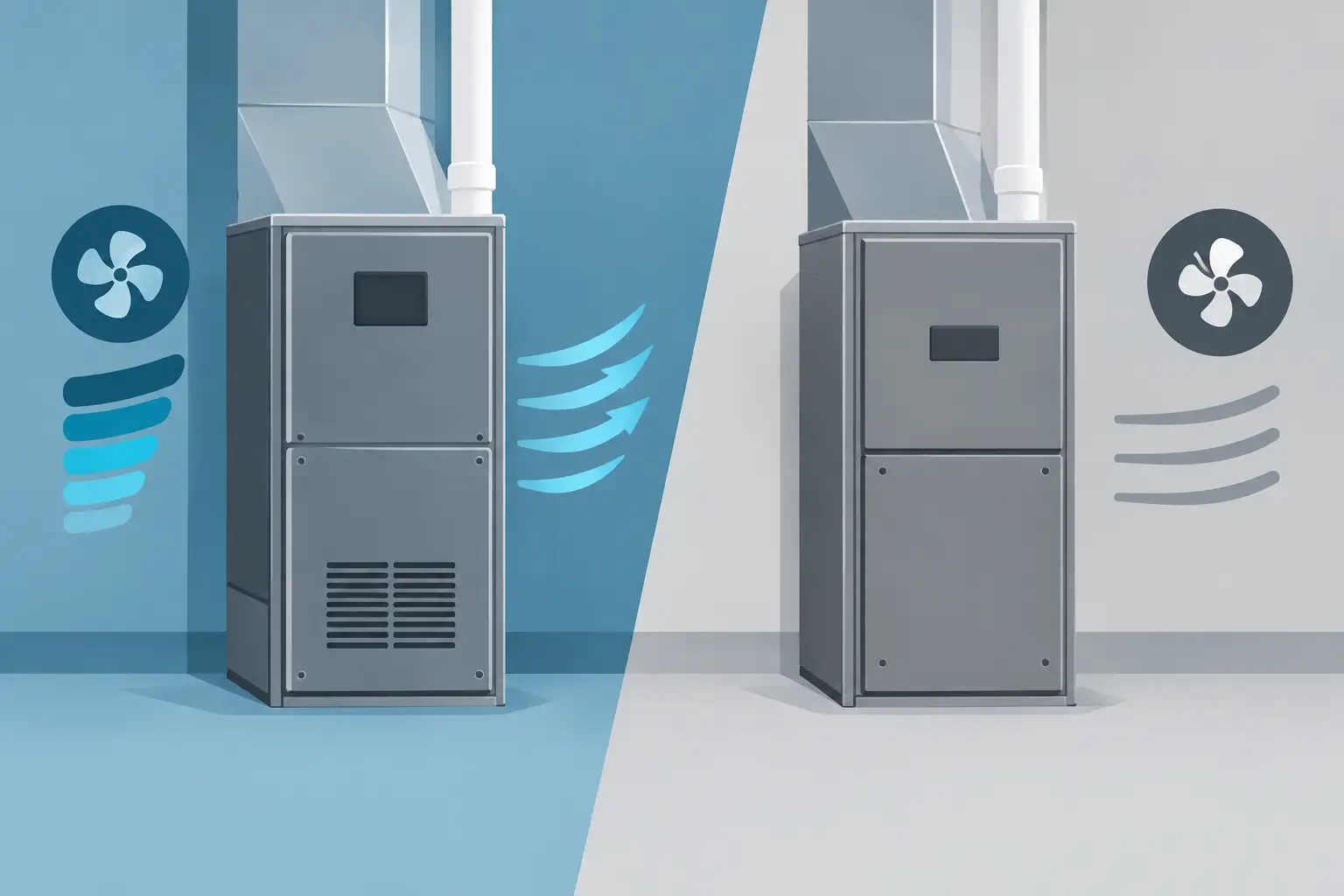
A standard-efficiency option may be appropriate in some replacement situations, while a high-efficiency condensing furnace can be a worthwhile upgrade for others. Variable-speed blowers and two-stage or modulating heating can also improve comfort by allowing the system to run more steadily at lower output instead of cycling at full capacity. That often means quieter operation and more even temperatures, but these features should be chosen for a real benefit rather than simply because they are available.
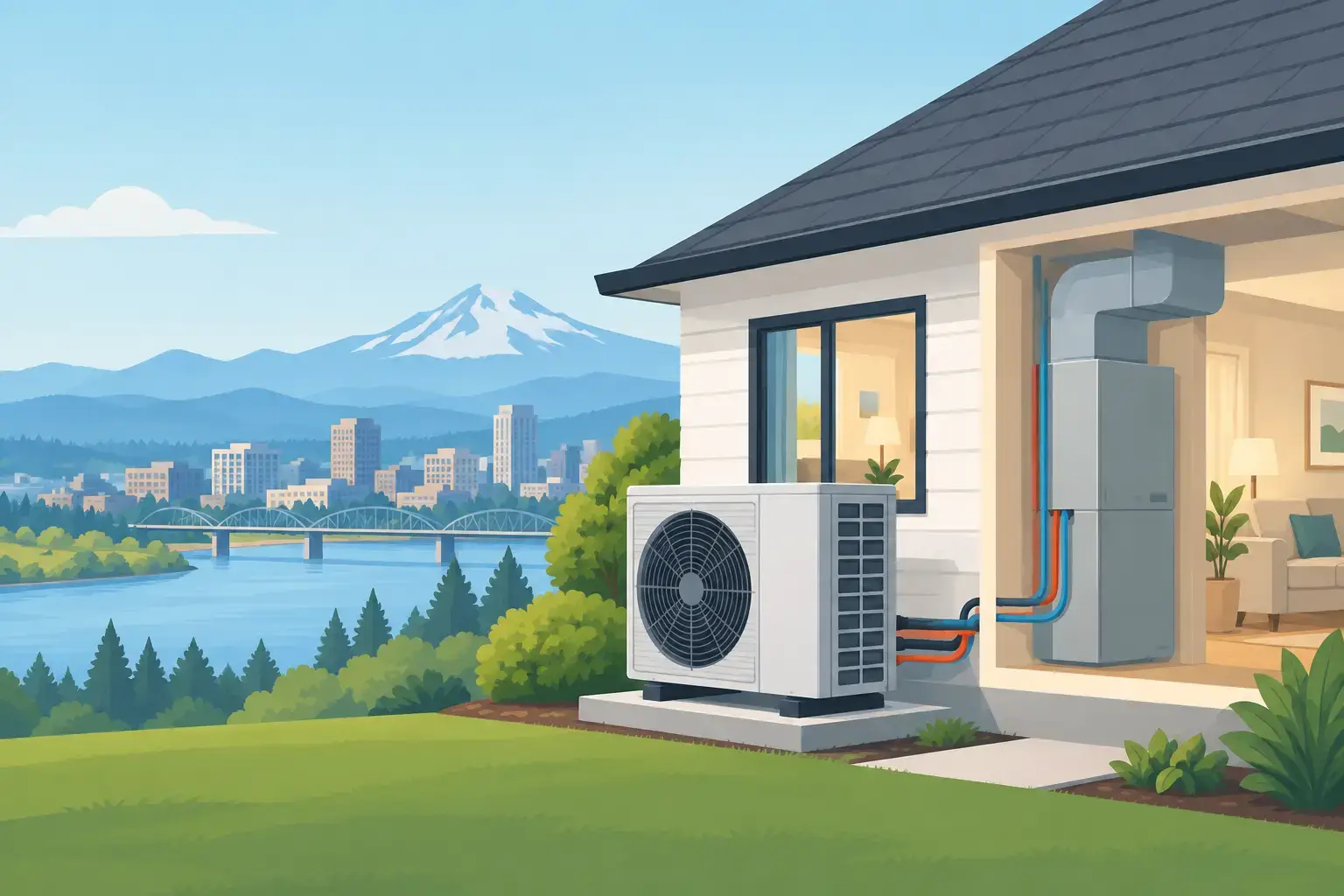
Clark County customers may also want to compare a furnace with heat pump options. Modern heat pumps provide both heating and cooling and can be highly efficient in Pacific Northwest conditions. A dual-fuel system, which pairs a heat pump with a gas furnace, may offer flexibility for certain homes. The right choice depends on your home, available utilities, comfort preferences, and long-term energy goals.
Prepare Your Home for Installation Day
Professional furnace installation is usually straightforward, but a little preparation helps the work move efficiently. Clear a path from the entry point to the furnace location and remove stored items from around the equipment. The furnace area should be accessible so technicians can work safely and inspect related components.
If the system is in an attic, crawl space, garage, or utility closet, make sure access is available and let the installer know about any concerns in advance. Homeowners should also plan for a temporary interruption in heating and, in some cases, electrical or gas service while the work is completed. Timing a planned replacement before the coldest part of the year can reduce the stress of being without heat if your older furnace fails.
After installation, ask for a walkthrough of the new system. You should understand how to operate the thermostat, where the filter is located, what type of filter to use, and when routine maintenance is recommended. Keep the area around the furnace clear after installation as well. Storage items, dust buildup, and blocked return vents can limit safe, efficient performance.
Protecting Your New Furnace After Installation
A new furnace needs routine care to maintain its performance. The simplest task is checking the filter regularly and replacing it when it is dirty. A clogged filter restricts airflow, which can make the furnace work harder and contribute to overheating or reduced comfort.
Annual professional heating service is also a practical investment. During a maintenance visit, an HVAC technician can inspect safety controls, burners, electrical components, airflow, venting, and overall operation. Small adjustments made before winter may help prevent an unexpected no-heat call when demand for service is highest.
Pay attention to changes in your system between service visits. New rattling sounds, frequent cycling, weak airflow, cool air from supply vents, or rooms that suddenly feel harder to heat deserve professional attention. Addressing an issue early is often less disruptive than waiting for a full breakdown.
Questions to Ask Before Selecting an Installer
The contractor you choose matters as much as the equipment. Look for a local HVAC provider that evaluates the full system rather than offering a one-size-fits-all replacement. You should receive a clear explanation of the recommended furnace, installation scope, expected timeline, warranty information, and any needed ductwork or accessory upgrades.
Ask whether the proposed furnace is properly sized for your home, what efficiency options are available, and whether your existing thermostat and ductwork are compatible. It is also reasonable to ask how startup testing will be handled and what maintenance the manufacturer recommends. A professional should answer directly, without pressuring you into features that do not match your needs.
Creekside HVAC provides expert heating and cooling services for homeowners and local businesses throughout Washougal, Vancouver, and Clark County. The goal is not simply to install equipment, but to provide reliable HVAC solutions that support safe, consistent comfort through the seasons.
A well-planned furnace replacement gives you more than a new piece of equipment. It gives you confidence that your home or business has dependable heat when cold, rainy weather settles into Southwest Washington.