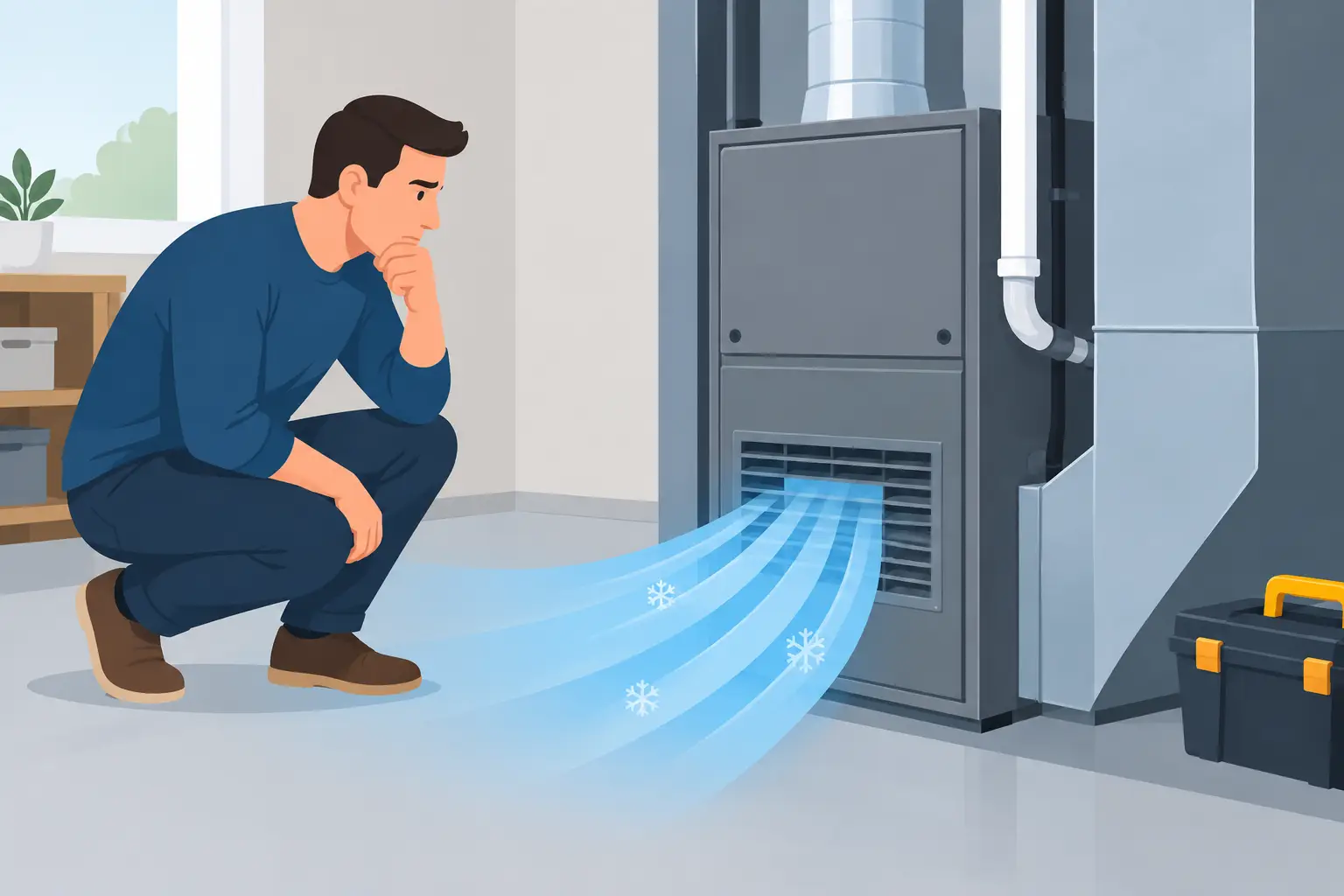
A furnace blowing cold air is more than an inconvenience when temperatures drop in Washougal, Vancouver, or elsewhere in Clark County. Sometimes the fix is as simple as changing a thermostat setting. Other times, cold air points to a safety switch, ignition issue, airflow restriction, or fuel problem that needs professional attention.
The key is knowing which checks are safe to make yourself and when to stop troubleshooting. A furnace that repeatedly starts, blows cool air, and shuts down is not operating normally. Addressing the issue early can help protect your comfort, reduce strain on the equipment, and prevent a minor repair from becoming a larger failure.
Why Is Your Furnace Blowing Cold Air?
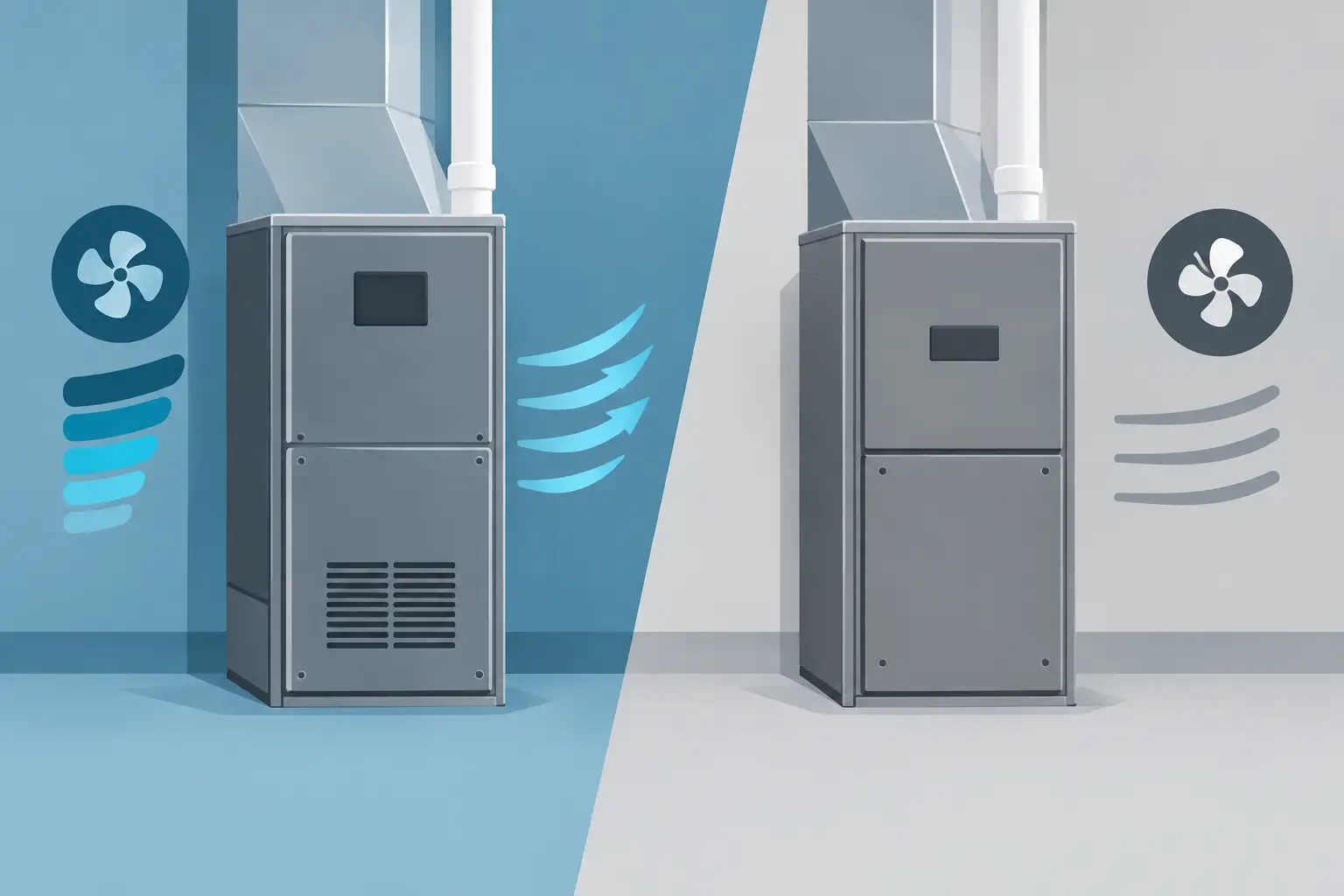
Your heating system should deliver warm air after a short startup period. If it is blowing cool air for only a minute or two after the thermostat calls for heat, that may be normal. The blower often starts after the furnace has begun heating, and it can continue running briefly after a heating cycle ends to use the remaining heat in the system.
If the air stays cold, however, the furnace may not be producing heat at all or may be shutting off before it can complete a proper heating cycle. The cause depends on the equipment type, its age, maintenance history, and what the system is doing when the problem occurs.
The thermostat fan is set to ON
This is one of the simplest causes. Most thermostats have a fan setting marked ON and AUTO. When the fan is set to ON, it runs continuously, even between heating cycles. During those periods, it moves room-temperature air through the vents, which can feel cold.
Set the fan to AUTO, then raise the temperature setting a few degrees above the current room temperature. Give the furnace several minutes to begin a normal cycle. If warm air returns, the equipment may be working as intended.
The thermostat is set incorrectly
Make sure the thermostat is set to HEAT rather than COOL or OFF. Check that the temperature setting is above the indoor temperature. If the thermostat screen is blank or unresponsive, replace the batteries if applicable.
A thermostat issue can also be more involved than a setting. Loose wiring, a failed sensor, poor placement near a draft, or an older thermostat that is no longer communicating properly can prevent the furnace from receiving a consistent call for heat.
A dirty air filter is restricting airflow
A clogged furnace filter can create a chain reaction. When airflow is restricted, the furnace may overheat. Its high-limit safety switch can then shut off the burners while the blower continues running to cool the system down. From the vents, that often feels like cold or lukewarm air.
Check the filter if it is accessible and replace it if it is visibly dirty or past its recommended replacement interval. Use the correct size and filter type for your system. Installing a filter that is too restrictive can also reduce airflow, especially on older equipment not designed for a high-efficiency filter.
If changing the filter does not resolve the problem, do not keep resetting the furnace or forcing repeated heating cycles. A limit switch that trips repeatedly needs a proper diagnosis.
The furnace is not igniting properly
Gas furnaces rely on an ignition sequence. The thermostat calls for heat, the system verifies safe operating conditions, the igniter activates, the burners light, and the blower distributes the heated air. If any part of that sequence fails, the blower may still run without warm air reaching the rooms.
Common causes include a dirty flame sensor, a failing hot-surface igniter, a malfunctioning pressure switch, a control-board problem, or an issue with the gas supply. Modern furnaces typically use electronic ignition rather than a standing pilot light, so there is not usually a homeowner-accessible pilot to relight.
You may notice the furnace attempting to start several times, clicking sounds, or burners that ignite briefly and then go out. These symptoms are useful details to share with an HVAC technician, but they are not a reason to remove furnace panels or attempt burner repairs yourself.
The condensate drain is blocked
High-efficiency furnaces remove moisture from the exhaust process through a condensate drain line. In Southwest Washington's damp winter conditions, drain-related issues can become especially noticeable. If the line, trap, or drain system becomes blocked, a safety switch may stop the furnace from completing its cycle.
A technician can inspect the drain, pressure-switch operation, venting, and related safety controls. This is one of those issues that can appear minor but may be connected to a larger combustion or venting concern.
The fuel supply or electrical power has been interrupted
For a gas furnace, verify that the gas utility service is active and that no one has accidentally turned off the furnace gas valve. The valve handle should generally be parallel to the gas pipe when open. Do not turn gas valves on and off repeatedly, and do not attempt to restore gas service if the utility has shut it off.
Also check the furnace power switch, which often looks like a standard light switch near the unit, and check for a tripped circuit breaker. If the breaker trips again after being reset once, leave it off and arrange for service. Repeated breaker trips can indicate an electrical or motor issue.
Safe Checks Before Calling for Furnace Repair
A few basic checks can save time and may restore heat without a repair visit. Keep the process simple: confirm the thermostat is on HEAT, set the fan to AUTO, replace a dirty filter, make sure supply vents and return grilles are open, and check the breaker and furnace power switch.
Walk through the home while the furnace is running. If only one or two rooms are cold, the problem may involve airflow, ductwork, closed dampers, or insulation rather than the furnace itself. If every vent is blowing cold air, the issue is more likely related to the heating equipment or its controls.
Avoid repeatedly pressing the reset button, cycling power several times, or opening sealed furnace compartments. Those steps can mask diagnostic information, strain components, and create unnecessary safety risks.
When Cold Air Becomes a Safety Concern
Turn off the furnace and seek professional help promptly if you smell gas, hear unusual booming or grinding noises, see soot around the unit, or have a carbon monoxide alarm sounding. Leave the building and contact emergency services or the gas utility if you suspect a gas leak. Do not use electrical switches, lighters, or open flames near a suspected leak.
Carbon monoxide has no odor and cannot be identified by sight. Working carbon monoxide detectors are essential near sleeping areas and on each level of a home. If a detector alarms, treat it seriously, get everyone outside, and follow the detector manufacturer's emergency instructions.
A furnace that is producing cold air without any of these warning signs may still need timely service, particularly if it is short-cycling, making new noises, or failing during colder nights. Heating equipment is designed with safety controls for a reason. When one is stopping operation, the goal is to identify why, not bypass it.
Repair or Replacement: What Makes Sense?
A professional diagnosis should come before deciding whether to repair or replace a furnace. Many cold-air problems, including dirty flame sensors, failed igniters, clogged drains, and thermostat issues, can be repaired without replacing the entire system.
Replacement may be worth considering when a furnace is near the end of its expected service life, requires an expensive major component, has a history of recurring breakdowns, or no longer heats the building evenly and efficiently. The condition of the ductwork, insulation, thermostat, and ventilation also matters. A new furnace cannot fully solve comfort problems caused by undersized ducts or major air leaks.
For homes and small businesses in Clark County, the right answer often comes down to reliability, operating cost, and how long the owner plans to keep the property. A trusted HVAC company can explain the repair, the expected life of the existing equipment, and the practical benefits of replacement without pushing a one-size-fits-all decision.
Get Reliable Help When Heat Does Not Return
If the basic checks do not restore warm air, schedule expert heating service. Creekside HVAC provides dependable furnace repair, installation, and heat-pump support for homeowners, property managers, and local businesses throughout Washougal, Vancouver, and Clark County.
When you call, be ready to describe what the system is doing: whether the blower runs, whether the furnace starts and stops quickly, whether you changed the filter, and whether any thermostat messages or indicator lights appear. Those details can help the technician begin with the most likely causes.
A warm, dependable home should not depend on repeated thermostat adjustments or guesswork. When your furnace is blowing cold air, a careful diagnosis can get your system back to delivering the comfort your household or business needs.