A heat pump in Clark County has to handle more than a few mild winter days. It needs to provide steady heat through cold rain, damp air, overnight freezes, and the occasional snow event, then cool efficiently when summer temperatures climb. The best heat pump for Pacific Northwest homes is not simply the unit with the highest advertised efficiency rating. It is the system that is correctly sized, professionally installed, and matched to your home’s ducts, insulation, electrical service, and comfort needs.
For homeowners in Washougal, Vancouver, and surrounding Southwest Washington communities, a modern heat pump can be an excellent all-electric heating and cooling solution. The key is selecting equipment built for local winter conditions and working with a trusted HVAC company that evaluates the complete system before installation.
What Makes a Heat Pump Right for Pacific Northwest Weather?
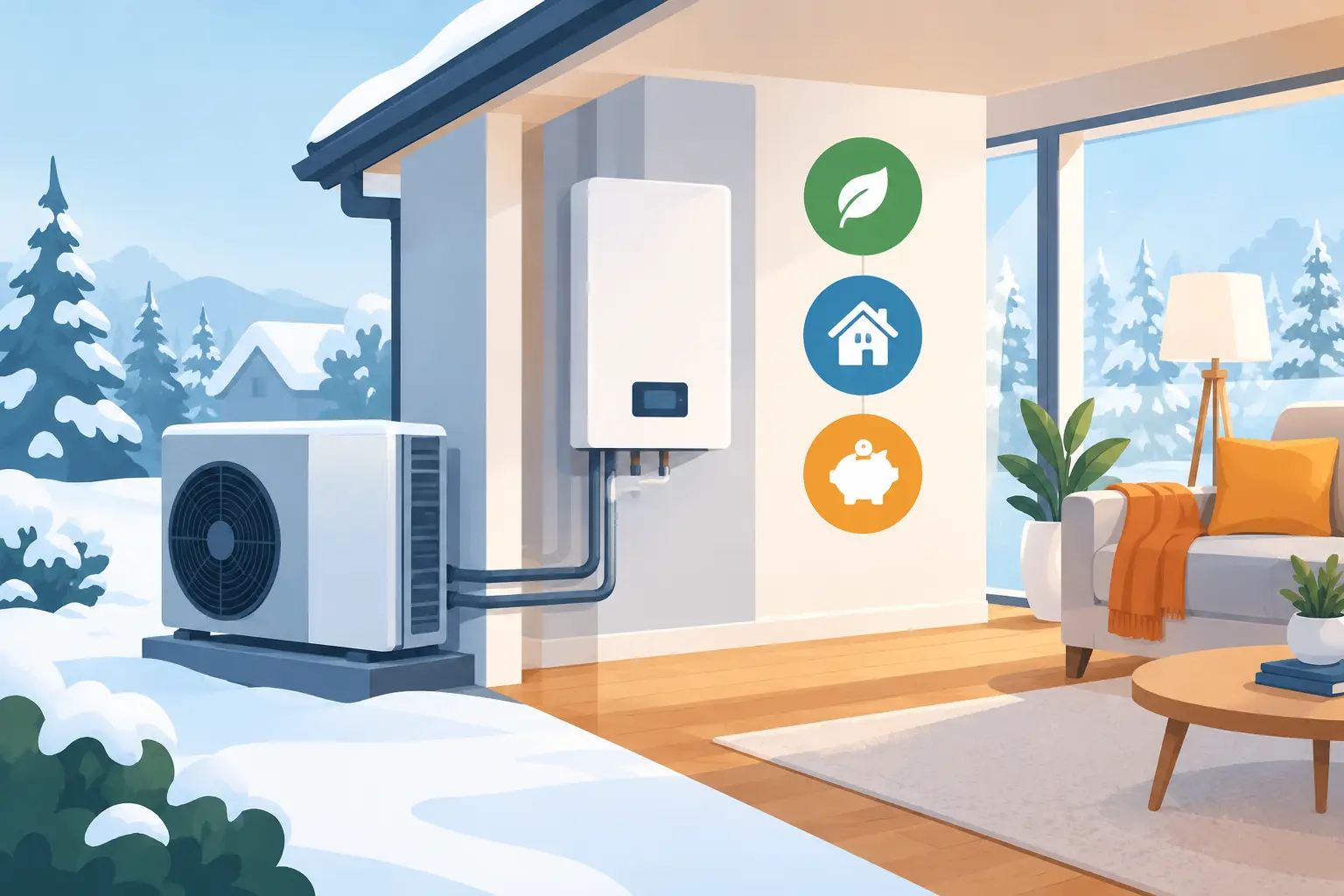
The Pacific Northwest generally has moderate temperatures, which creates favorable conditions for heat pumps. Unlike a furnace that creates heat by burning fuel, a heat pump moves available heat from outdoor air into the home. Even when outdoor temperatures are cold, there is heat energy available for a properly designed system to use.
Our climate also presents a challenge that homeowners should not overlook: moisture. Wet, chilly weather can cause frost to form on an outdoor unit’s coil. A quality heat pump periodically enters a defrost cycle to clear that frost and protect performance. In a properly designed installation, this is normal. A system that seems to run constantly, blows cool air for long periods, or develops heavy ice may need service or may not be sized and configured correctly.
For most local homes, look for a variable-speed, cold-climate heat pump. These systems can adjust output instead of running only at full capacity. That helps maintain more even indoor temperatures, reduces short cycling, and often lowers operating costs during long stretches of cool weather.
The Best Heat Pump for Pacific Northwest Homes Depends on Your House
There is no one model that is the best choice for every property. A 1950s home with limited insulation and existing ductwork has different needs than a newer high-performance home or a small business with several comfort zones.
A ducted heat pump is often the right fit when a home already has usable central ductwork. It can replace or work alongside an existing furnace and deliver heating and air conditioning through the rooms you already use. If ducts are leaky, undersized, poorly insulated, or poorly distributed, those issues should be addressed before expecting a new outdoor unit to solve comfort problems.
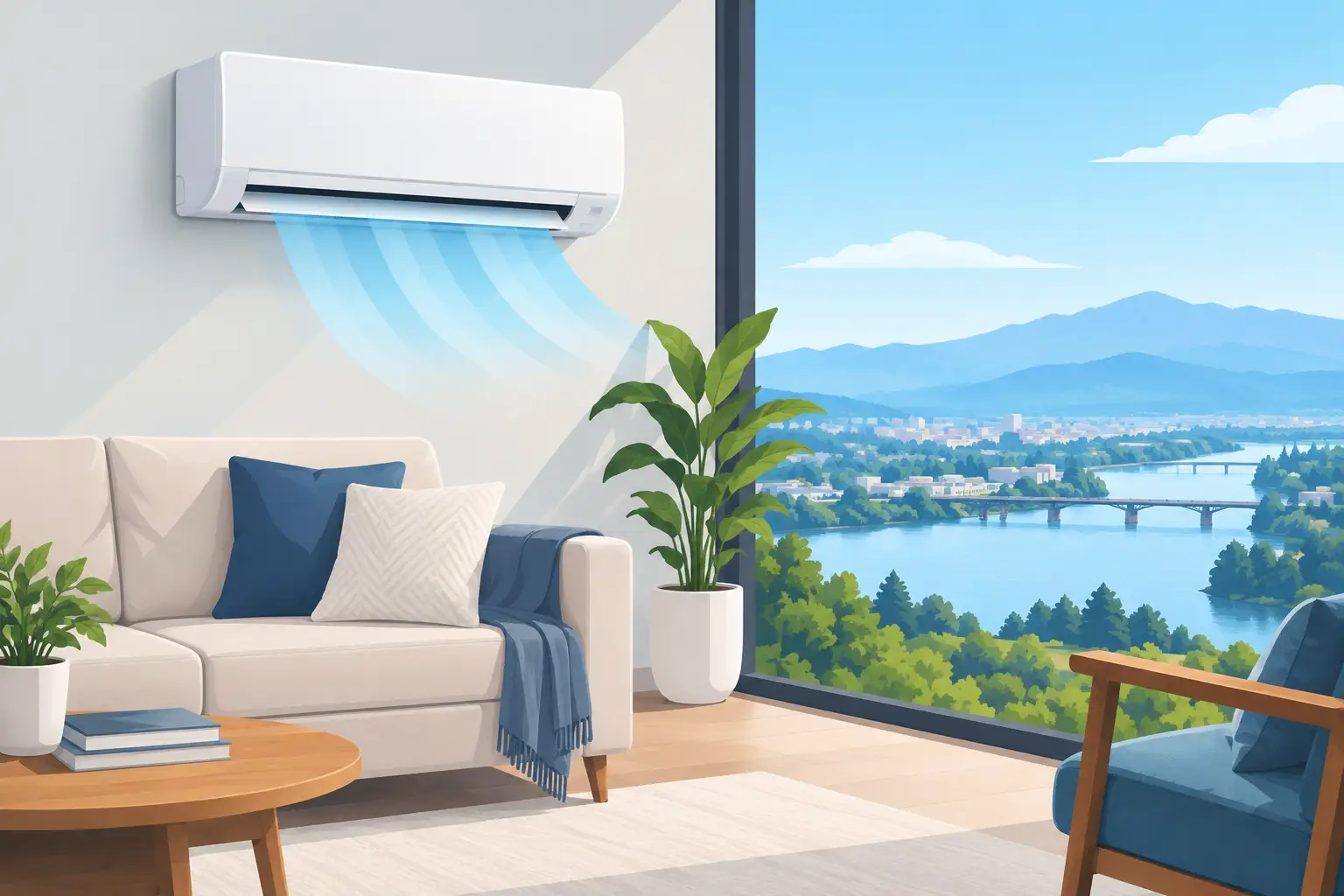
A ductless mini-split heat pump can be a strong option for homes without ducts, additions, converted garages, workshops, and rooms that never seem to match the rest of the house. Wall-mounted or ceiling-mounted indoor units allow for individual temperature control by zone. The trade-off is that a single indoor head may not evenly condition every closed-off room, so placement and system design matter.
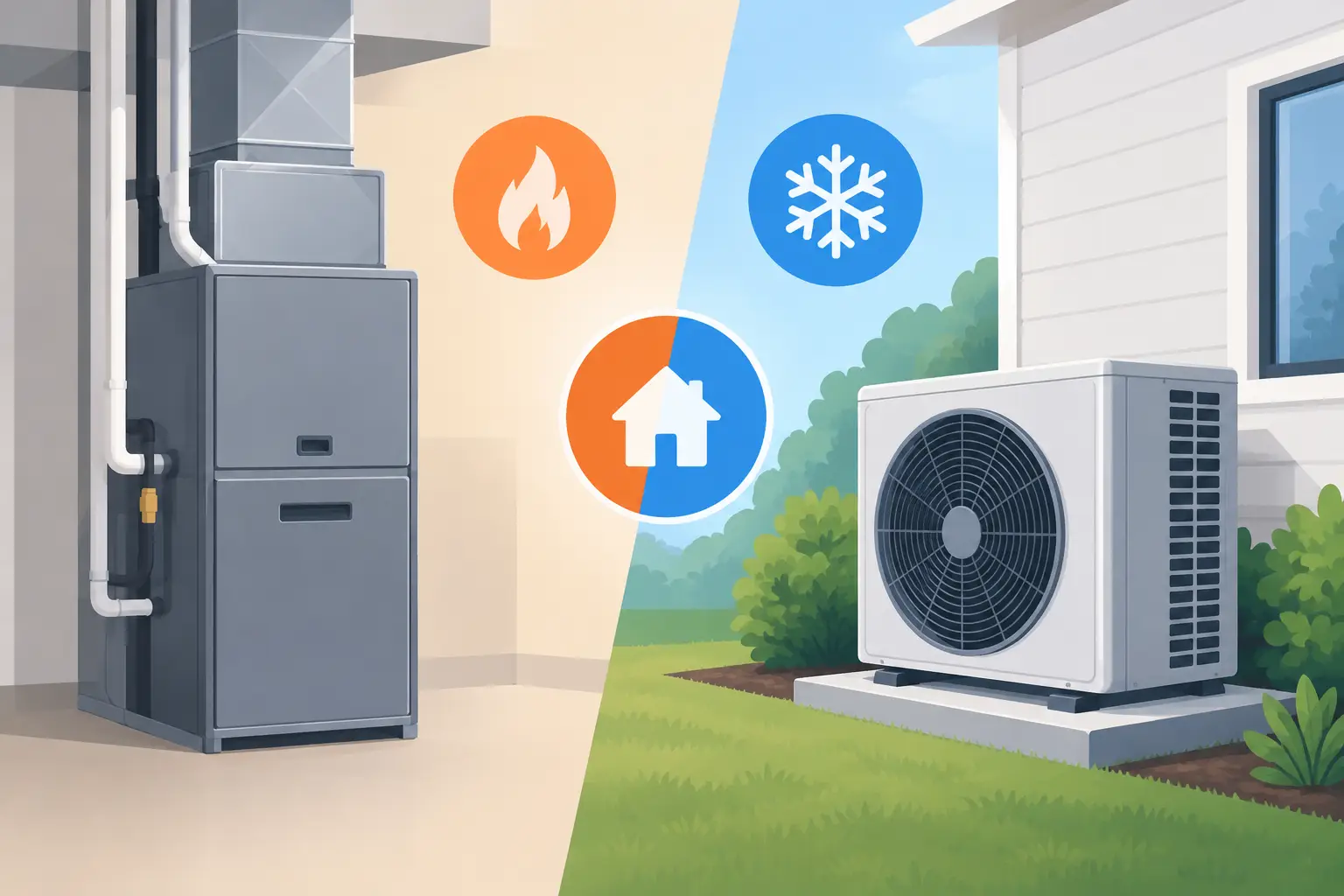
Some properties benefit from a dual-fuel system. This setup pairs a heat pump with a gas furnace that can provide supplemental heat during the coldest conditions. It may make sense for homeowners who already have a newer furnace, have a large home with higher heat demand, or want an additional heating source. For many well-insulated local homes, however, a cold-climate heat pump with properly planned electric backup heat can provide dependable year-round comfort.
Prioritize Cold-Weather Heating Capacity
Cooling efficiency matters, but Southwest Washington homeowners should pay close attention to heating performance. Ask how much heating capacity the proposed equipment can provide at lower outdoor temperatures, not only its capacity under mild test conditions.
Two ratings are useful when comparing systems. SEER2 describes cooling efficiency, while HSPF2 describes seasonal heating efficiency. Higher ratings can be valuable, but they are only part of the decision. A high-efficiency unit that is oversized, poorly installed, or connected to failing ducts will not deliver the comfort or savings you expect.
A qualified installer should also explain the system’s low-temperature performance and when auxiliary heat may operate. Auxiliary heat is not automatically a problem. It is a backup source designed to support the heat pump during defrost cycles or unusually cold weather. The goal is not necessarily to eliminate it completely, but to avoid relying on expensive backup heat more often than necessary.
Do Not Choose Size by Square Footage Alone
Heat pump sizing is one of the most important parts of the project. Bigger is not better. An oversized system can cycle on and off too frequently, leaving rooms uneven, increasing wear, and doing a poorer job of managing indoor humidity. An undersized system may struggle to keep up in winter and rely too heavily on supplemental heat.
Professional sizing begins with a load calculation. This considers the home’s square footage, ceiling height, insulation levels, window type and direction, air leakage, occupancy, and local design temperatures. It also considers whether your ducts can carry the airflow the new equipment requires.
If an estimate is based only on the size of your old furnace or a quick walk-through, ask more questions. Older equipment may have been oversized from the start, and changes such as window replacement, attic insulation, remodeling, or air sealing can significantly affect your current heating and cooling load.
Installation Quality Has a Direct Effect on Performance
The best equipment cannot overcome poor installation. Refrigerant charge, electrical connections, condensate drainage, airflow, thermostat setup, and outdoor-unit placement all affect how a heat pump performs.
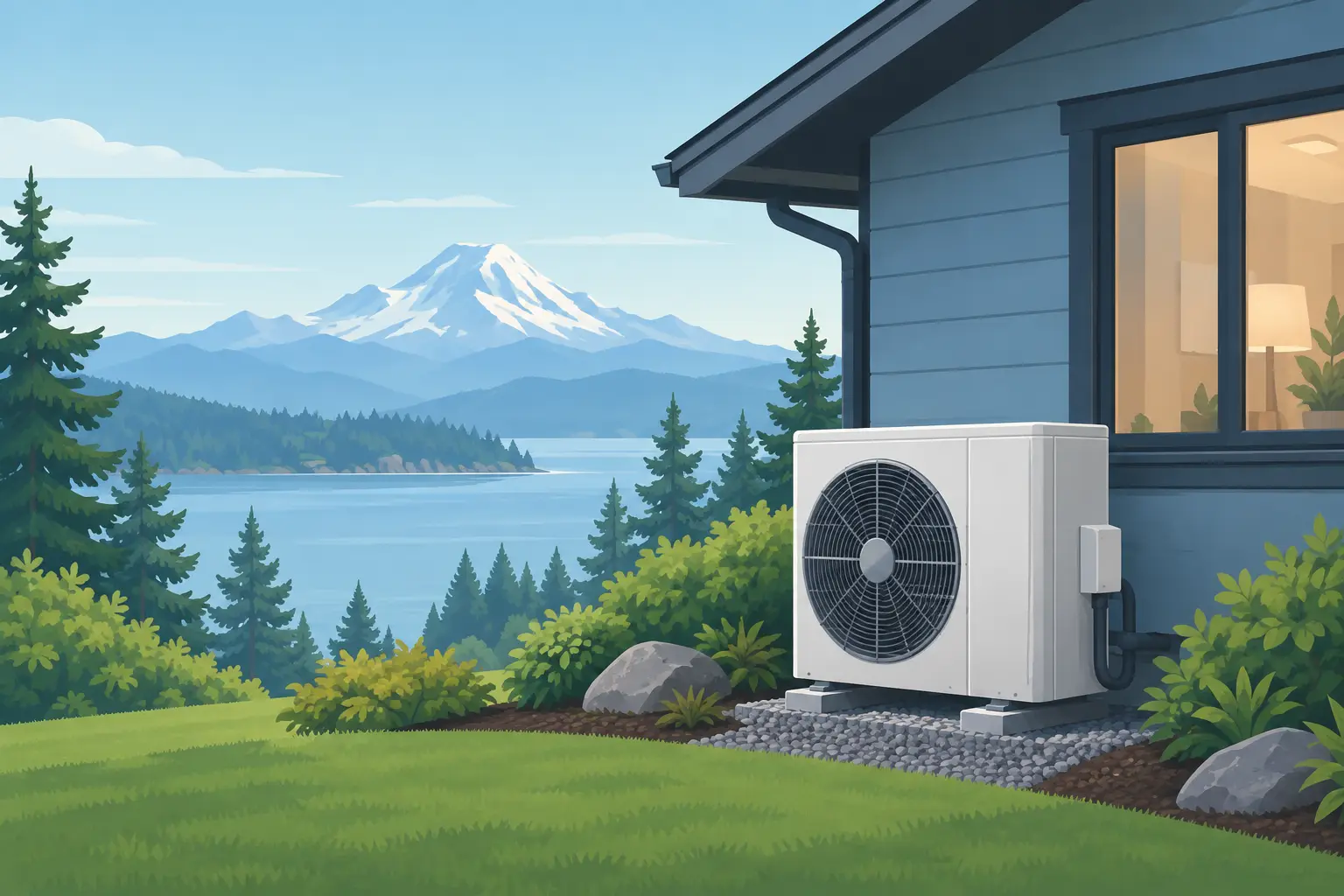
Outdoor units need room for airflow and service access. They should be installed on a stable pad or wall bracket, positioned to manage rain runoff and snow accumulation, and placed thoughtfully to limit noise near bedrooms or neighboring properties. The installer should also account for the unit’s defrost water so it does not create an icy walkway or drainage problem.
Inside the home, airflow is just as important. Duct leaks, dirty filters, blocked registers, and weak return-air pathways can make a new heat pump seem underpowered. In ductless applications, indoor-head location should be based on room layout and air movement, not just on where installation is easiest.
Controls deserve attention as well. A thermostat must be configured for the specific equipment and backup heat setup. Incorrect settings can force unnecessary auxiliary heat operation and increase energy use. Clear instruction after installation helps homeowners understand normal operation, maintenance needs, and when to call for service.
When Replacement Makes More Sense Than Repair
A heat pump can often be repaired, especially when the issue is a capacitor, contactor, drain problem, thermostat fault, or worn electrical component. Regular heat-pump service can extend equipment life and prevent a minor issue from becoming a no-heat emergency.
Replacement becomes worth considering when repairs are frequent, the system uses an outdated refrigerant, efficiency has noticeably declined, or a major component such as a compressor has failed. Age alone does not decide the question, but systems approaching the later part of their expected service life may be better candidates for replacement when repair costs are significant.
A local assessment should look beyond the broken part. If the outdoor unit is failing because of airflow restrictions, duct problems, electrical issues, or neglected maintenance, those contributing factors need attention too. This approach protects your investment in either a repair or a new installation.
Questions to Ask Before Selecting a Heat Pump
Before approving an estimate, ask whether the system is designed for cold-climate heating, what its expected capacity is during colder weather, and whether a load calculation was completed. Ask how existing ducts will be evaluated, whether electrical upgrades may be needed, and what type of backup heat is included.
It is also reasonable to ask about sound levels, maintenance requirements, warranty coverage, and expected defrost operation. A clear proposal should explain the equipment being installed and the work required to make it operate properly. The lowest initial price may leave out duct improvements, electrical work, controls, or commissioning steps that affect long-term comfort.
Creekside HVAC helps homeowners and local businesses evaluate reliable HVAC solutions based on the property, the equipment condition, and the weather challenges common in Southwest Washington. The right recommendation should feel specific to your building rather than copied from a standard quote.
A heat pump should make your home feel consistently comfortable, not leave you adjusting the thermostat room by room or worrying whenever cold rain moves in. Start with an accurate assessment of your home, choose cold-weather-capable equipment, and make installation quality part of the decision from the beginning.