A heating or cooling problem rarely waits for a convenient time. Your furnace may start short-cycling during a cold Clark County morning, your heat pump may blow cool air, or your AC may stop keeping up during a warm afternoon. This residential HVAC diagnostic visit guide explains what happens when a technician arrives, what you can do before the appointment, and how to use the findings to make a confident repair decision.
A diagnostic visit is more than a quick look at a thermostat or an air filter. Reliable HVAC solutions start with identifying the actual source of the issue. A symptom such as weak airflow, uneven temperatures, unusual noise, or a rising utility bill can have several causes. The goal is to avoid guessing and recommend work based on what the system is doing.
What a Residential HVAC Diagnostic Visit Includes
A qualified technician begins by listening. Your observations help narrow the diagnostic process, especially when the problem happens only at certain times of day or in specific weather conditions. Be ready to describe when the issue started, whether it is constant or intermittent, and any changes you have noticed in comfort, sound, odor, or energy use.
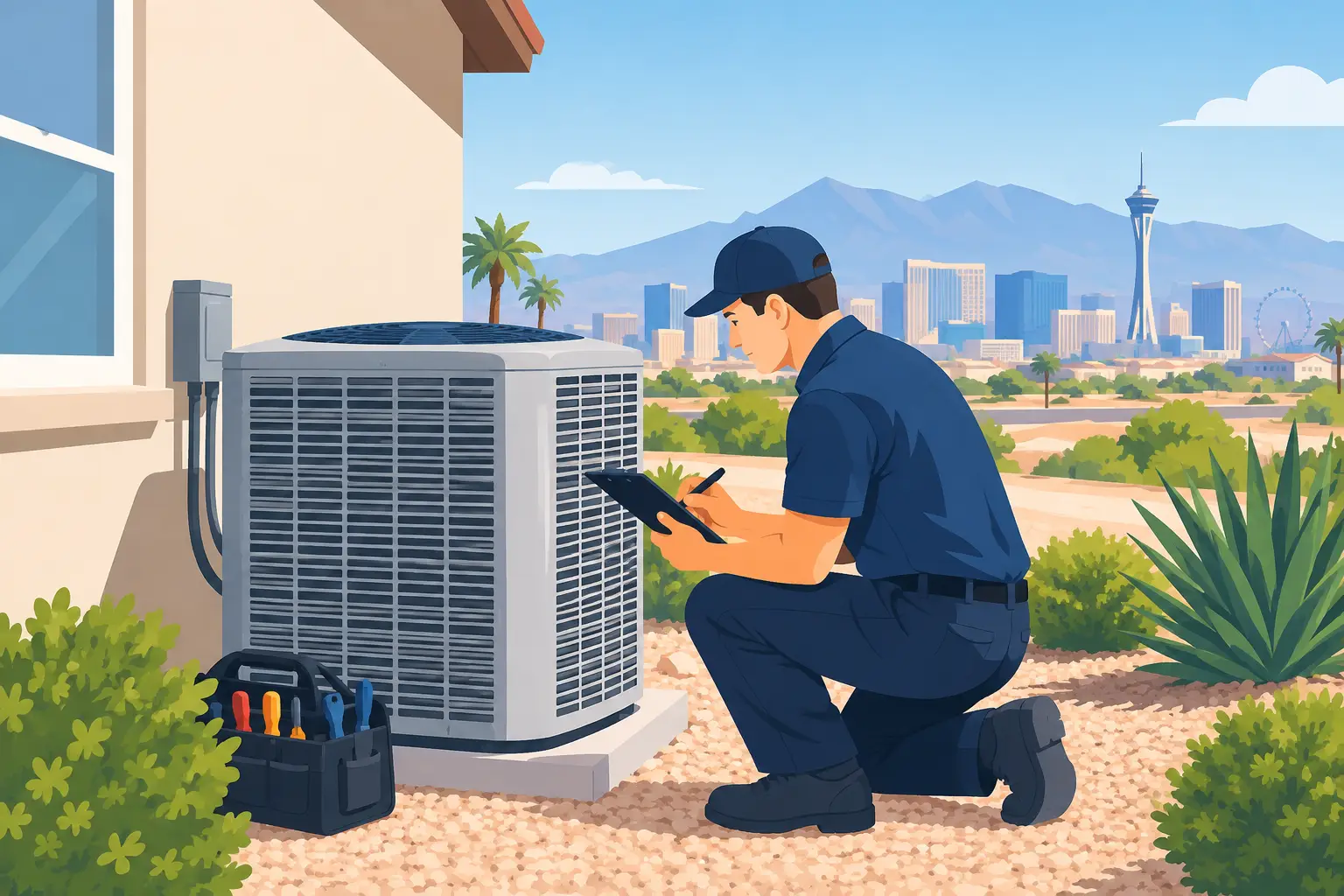
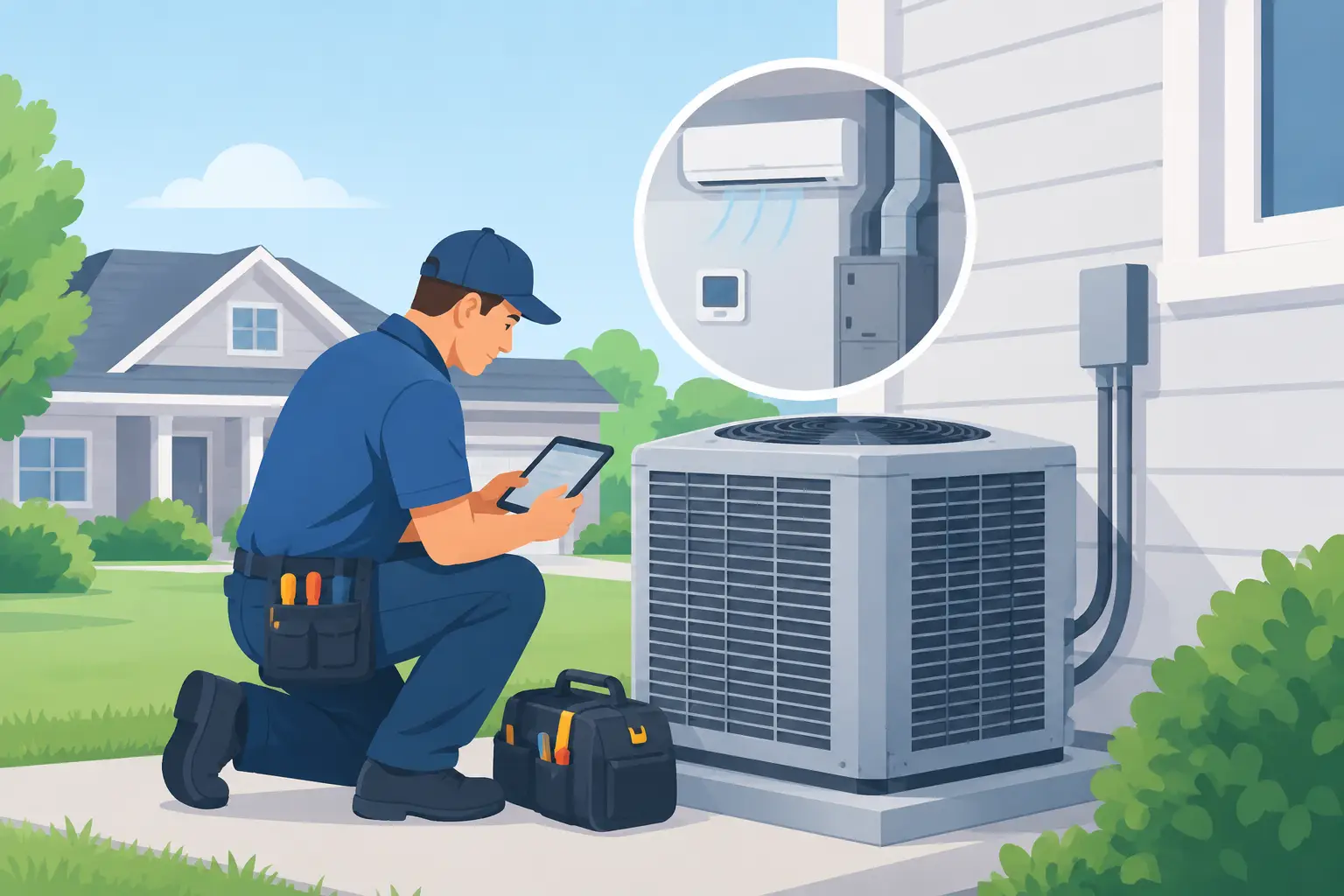
From there, the technician will inspect the equipment and test its operation. The exact process depends on whether the concern involves an air conditioner, furnace, heat pump, air handler, thermostat, or ductwork. A heat pump service call may include checking both heating and cooling operation because the same equipment performs both functions.
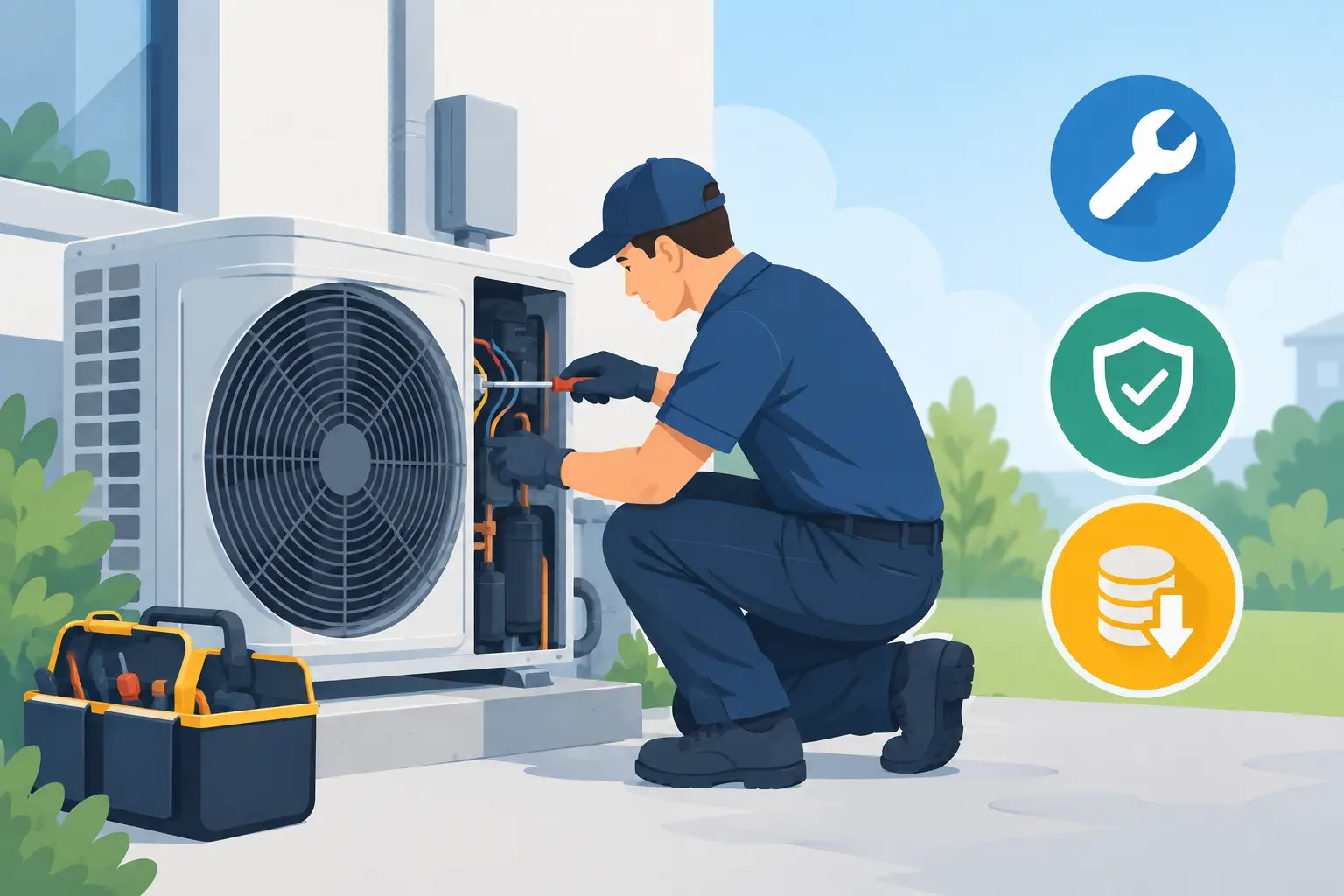
Most visits involve a combination of visual inspection, electrical testing, airflow evaluation, temperature readings, and safety checks. The technician may inspect filters, drain lines, capacitors, contactors, motors, refrigerant-related components, burners, ignition parts, and control wiring. For gas furnaces, safety testing is especially important. A furnace that does not ignite properly or has venting concerns should never be treated as a minor inconvenience.
The technician should explain the findings in plain language: what failed, what may have contributed to the failure, whether other parts show wear, and what repair options make sense. A dependable diagnosis separates an urgent repair from a maintenance item that can be planned for later.
How to Prepare for an HVAC Diagnostic Appointment
You do not need technical HVAC knowledge to help the visit go smoothly. A few simple steps can save time and give the technician a clearer picture of the problem.
First, make the thermostat and indoor equipment accessible. Clear stored items away from the furnace, air handler, heat pump controls, and return-air grilles. If the outdoor unit is involved, remove leaves, branches, or other loose debris from around it without taking panels off or attempting a repair yourself.
Second, write down what you have noticed. Include when the system last worked normally, whether a breaker has tripped, what settings were selected on the thermostat, and whether you heard clicking, rattling, buzzing, or grinding. If the system displays an error code, take a photo before resetting anything. These details can be valuable when an issue is intermittent.
Finally, know the basic service history if possible. The age of the equipment, recent repairs, filter changes, and past performance issues all matter. If you are a property manager, share any tenant reports directly rather than relying on a general description that the system is "not working."
What Not to Do Before the Technician Arrives
Avoid repeatedly resetting breakers or cycling the equipment on and off to force it to run. A breaker that trips more than once may point to an electrical or mechanical concern. Continuing to operate the system can sometimes cause additional damage.
Do not add refrigerant, open electrical panels, bypass a safety switch, or remove equipment covers. HVAC systems contain high-voltage components and, in some homes, combustion equipment. If you smell gas, notice a burning odor, see smoke, or suspect carbon monoxide exposure, leave the area if necessary and seek immediate emergency assistance before scheduling routine HVAC service.
Questions to Ask During the Visit
A professional diagnostic visit should leave you with useful answers, not more uncertainty. Ask the technician to show you the failed or worn component when practical and explain how it affects operation. You can also ask whether the repair addresses the root cause or only restores operation temporarily.
It is reasonable to ask about the expected life of the repair, whether a related component should be monitored, and what maintenance could reduce the chance of another breakdown. For example, a failed capacitor may be a straightforward repair, while repeated capacitor failures can justify checking the motor, electrical connections, and overall system condition.
If replacement is discussed, ask why it is being recommended now. The answer should consider system age, repair cost, efficiency, reliability, refrigerant availability where applicable, and the condition of the rest of the equipment. Replacement is not automatically the right answer because a system is older. On the other hand, putting significant repair dollars into equipment near the end of its service life may not be the best long-term value.
Understanding Common Diagnostic Findings
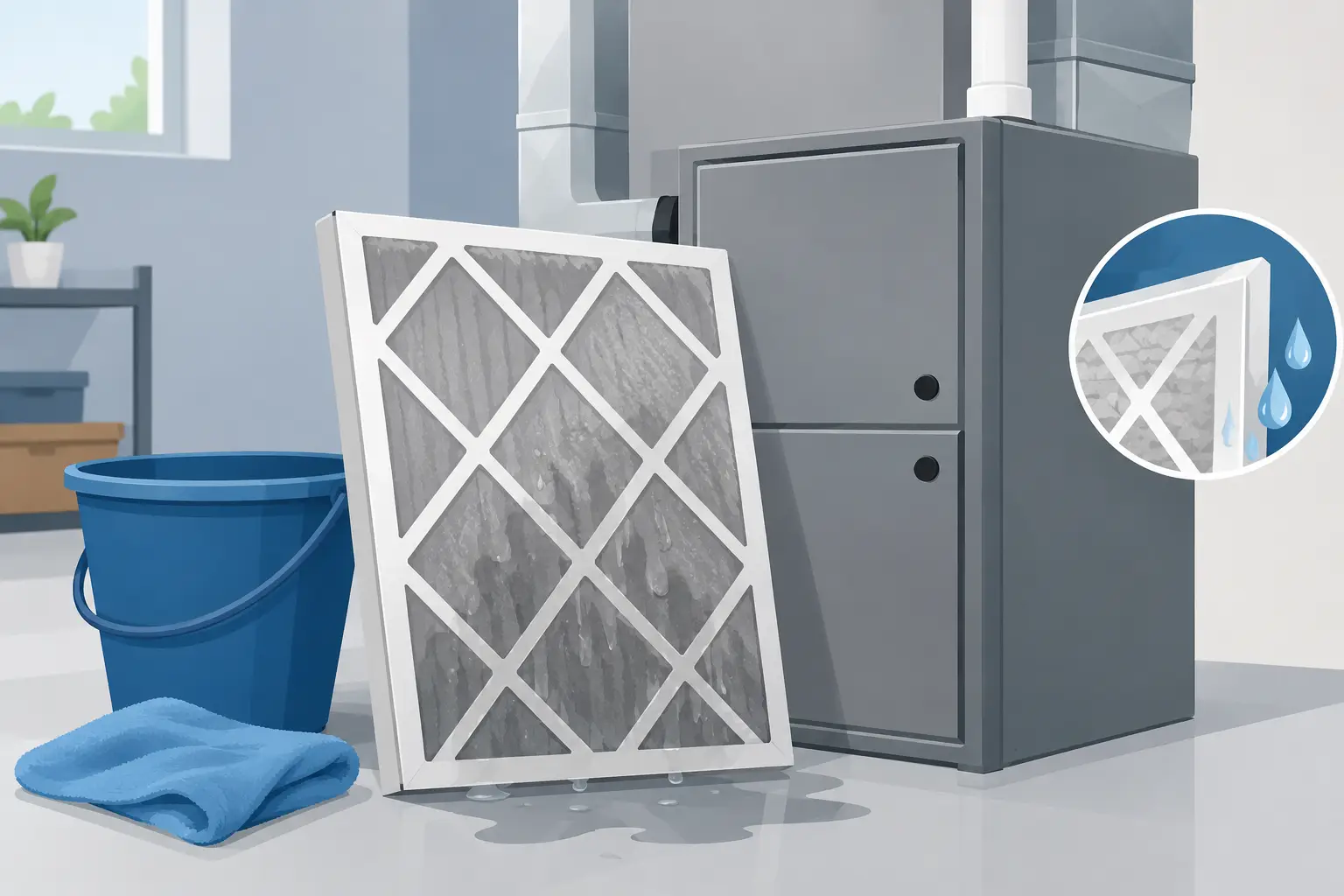
Some HVAC problems are relatively contained. A dirty filter, clogged condensate drain, failed thermostat, worn capacitor, or damaged contactor may have a clear repair path. These issues can still affect comfort significantly, but they do not always mean the entire system is failing.
Other findings deserve a broader conversation. Low airflow can result from a dirty filter, but it may also involve a blower issue, restrictive ductwork, a failing evaporator coil, or improperly sized equipment. An air conditioner that runs constantly may have a refrigerant problem, but it can also be affected by outdoor coil condition, insulation, thermostat placement, duct leakage, or unusually high cooling demand.
In Southwest Washington, heat pumps are a common and efficient comfort solution, but they require careful diagnosis. Defrost cycles, supplemental heat operation, and outdoor temperature can affect what homeowners see and hear. A technician can distinguish normal heat-pump behavior from an issue involving the reversing valve, defrost controls, refrigerant charge, electrical components, or airflow.
Repair or Replacement: How to Decide
The best decision depends on more than one number. Consider the system's age, the type and cost of the needed repair, its recent breakdown history, operating efficiency, and whether it has kept your home comfortable. A newer system with an isolated component failure is often a good repair candidate. An older unit with repeated failures, high operating costs, and a major repair need may be better evaluated for replacement.
Ask for a clear comparison when both paths are reasonable. A trusted HVAC company should help you understand immediate cost, likely reliability, and the expected benefit of newer equipment without pressuring you into a decision that does not fit your home or budget.
After the Diagnostic Visit
Once the work is complete, keep the service record with your home maintenance documents. Note what was repaired, any recommended follow-up, and the date of the next filter change or maintenance visit. Small records make future service easier and help identify recurring issues.
Pay attention to system operation over the next few days. If the original symptom returns, contact the contractor and describe what changed. Intermittent HVAC issues can be difficult to reproduce, but clear follow-up information helps the technician continue from the original diagnosis.
Regular maintenance also matters after a repair. Clean filters, clear outdoor equipment, working carbon monoxide detectors near fuel-burning appliances, and seasonal professional service support safer, more dependable heating and cooling performance.
When to Schedule Service Promptly
Do not wait for a complete system failure when you notice persistent warning signs. Schedule expert heating and cooling services promptly if your system is making loud mechanical noises, tripping breakers, leaking water, producing burning odors, failing to heat or cool, or creating major temperature differences between rooms. Fast attention can often limit damage and restore comfort sooner.
For homeowners and property managers in Washougal, Vancouver, and throughout Clark County, Creekside HVAC provides practical diagnostics, clear repair recommendations, and dependable support for furnaces, air conditioners, and heat pumps. The right visit should give you more than a repair quote - it should give you a clear next step toward reliable comfort at home.