A furnace that quits during a cold Clark County week or an air conditioner that fails at the start of summer can turn a routine rental into an urgent problem. HVAC maintenance for rental properties gives landlords and property managers a practical way to prevent many of those calls, protect their equipment investment, and keep tenants comfortable.
For rental homes, heating and cooling maintenance is not just a seasonal task. It is part of responsible property upkeep. A system that receives regular service is more likely to operate efficiently, last longer, and give owners time to make repair or replacement decisions without pressure.
Why Rental HVAC Systems Need a Maintenance Plan
Rental equipment often works harder than an owner-occupied system. Tenants may not know when to replace a filter, may block return vents with furniture, or may wait too long to report an unusual sound. None of that is necessarily neglect. Most tenants simply expect the heating and cooling system to work, and landlords are left managing the consequences when it does not.
A maintenance plan creates a clear schedule for inspecting equipment before the high-demand seasons arrive. In Southwest Washington, that usually means checking heating performance before cooler weather settles in and inspecting air conditioning before warmer stretches begin. Heat pumps deserve attention before both seasons because they provide heating and cooling in one system.
Routine service also creates a record of the equipment's condition. That documentation helps when comparing repair costs, planning capital improvements, handling warranty questions, or communicating with tenants about access for service.
What Professional HVAC Maintenance Should Cover
A professional visit should go beyond changing a filter and looking over the thermostat. The exact work depends on whether the property has a furnace, central air conditioner, ductless system, or heat pump, as well as the equipment's age and condition.
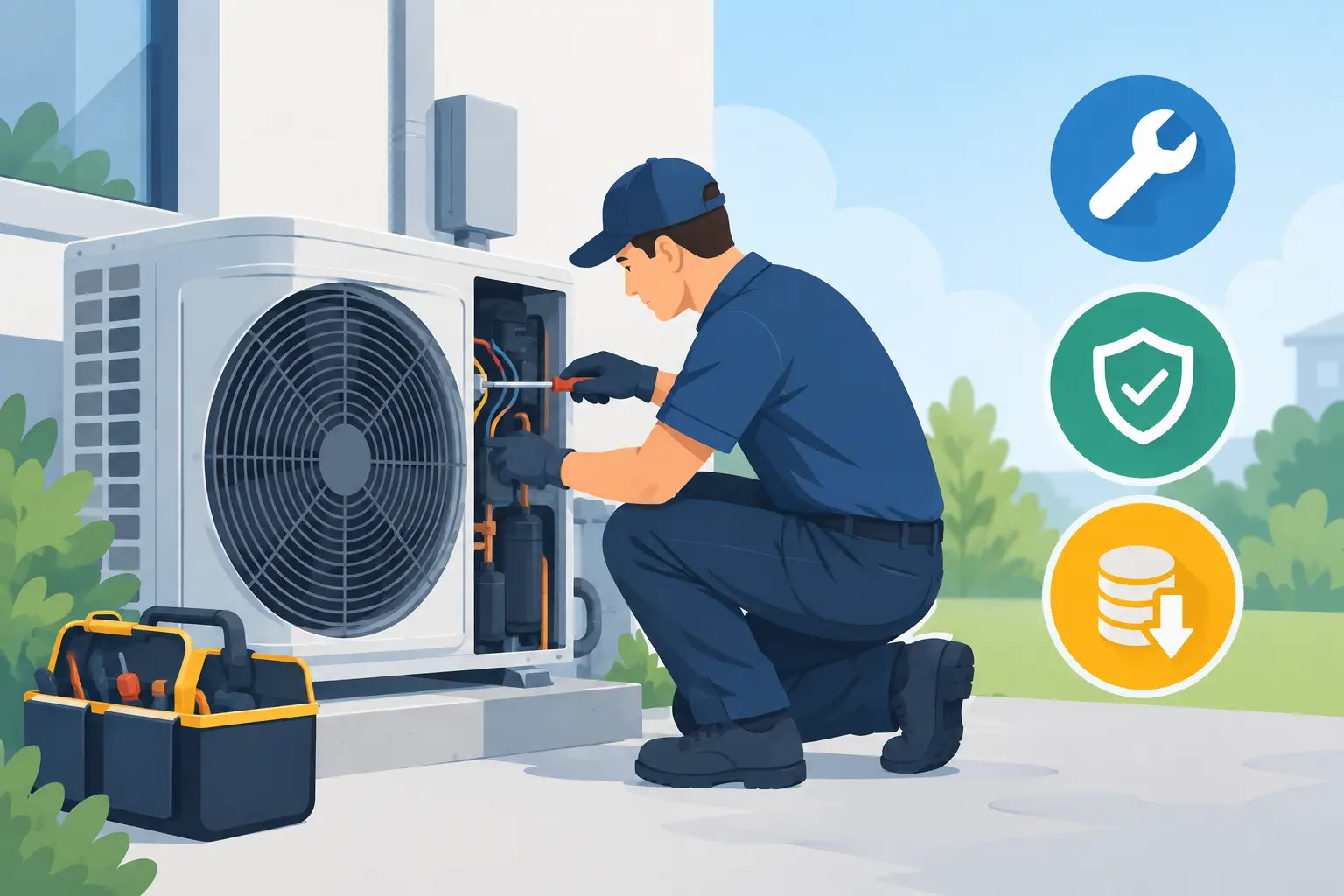
During a typical maintenance appointment, a qualified technician may inspect electrical connections, test safety controls, check operating temperatures, clean key components, assess airflow, and look for early signs of wear. For cooling equipment, this can include checking the condensate drain and outdoor unit. For a furnace, the technician should evaluate ignition components, burners, venting, and other safety-related parts. Heat-pump service may include examining the reversing operation and defrost cycle.
The goal is not to replace parts that are still working. It is to identify issues while they are smaller, less disruptive, and easier to schedule. A weak capacitor, worn contactor, dirty coil, loose electrical connection, or restricted drain line can become a no-cooling or no-heat call at exactly the wrong time.
Filters Still Matter
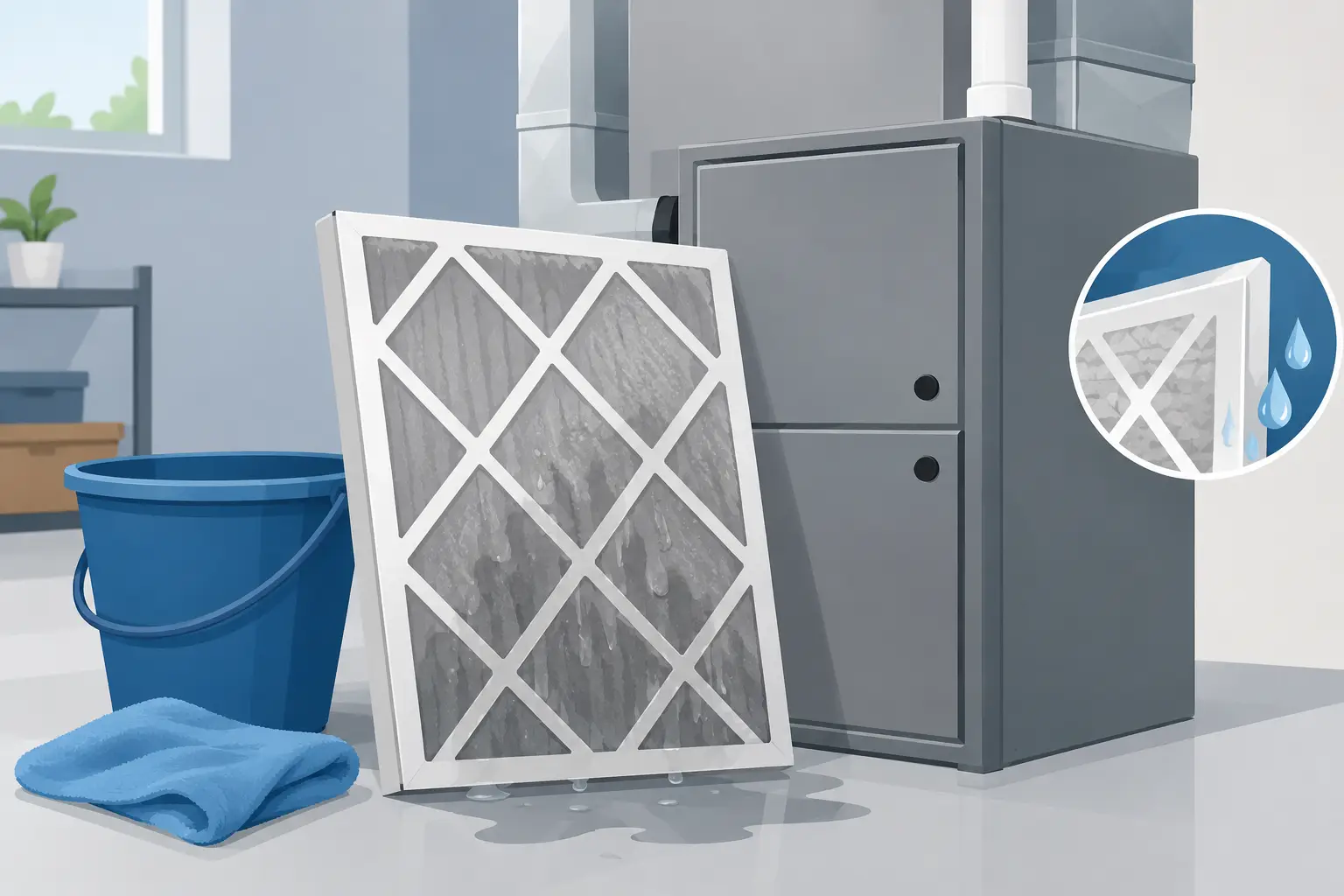
Filter changes are simple, but they are one of the most common reasons systems lose airflow and efficiency. A clogged filter can contribute to frozen cooling coils, overheating furnaces, unnecessary strain on blower motors, and uneven room temperatures.
Landlords should decide who is responsible for filters and make the expectation clear in the lease or move-in materials. Some owners provide the correct filter sizes and ask tenants to replace them on a defined schedule. Others handle changes during inspections or maintenance visits. Either approach can work if it is consistent.
A filter does not need to be changed on the same calendar date in every property. Homes with pets, multiple occupants, construction nearby, or higher runtime may need more frequent replacement. The right interval depends on the filter type and household conditions.
A Seasonal Schedule That Works for Most Rentals
For many rental properties, two planned service visits per year offer a sensible baseline: one before heating season and one before cooling season. That schedule is especially useful for older systems, homes with year-round occupants, and properties where an equipment failure would be difficult to manage quickly.
A newer system with light use may not require the same level of attention, while a heavily used heat pump may benefit from more regular checks. The important point is to avoid waiting for a breakdown to learn the system has been struggling for months.
Between professional visits, property owners or managers can watch for practical warning signs:
- Uneven heating or cooling between rooms
- A sharp increase in utility use without a clear cause
- Rattling, buzzing, grinding, or repeated cycling
- Water around indoor equipment or a clogged condensate line
- Tenant reports of weak airflow, odors, or thermostat problems
These symptoms do not always mean the system needs replacement. They do mean the issue deserves timely diagnosis. Continuing to run equipment with a developing problem can turn a manageable repair into a larger expense.
Protecting Tenant Comfort and Owner Costs
Tenant comfort is directly tied to rental retention, maintenance satisfaction, and the overall condition of a property. When heat or cooling is unreliable, tenants are understandably frustrated. Prompt communication and planned maintenance show that the owner takes essential systems seriously.
There is also a financial benefit to acting early. Emergency service can be necessary, but it gives owners fewer options. If a furnace fails on a cold evening, the immediate priority is restoring heat. If an aging system is identified during a scheduled inspection, an owner can compare repair and replacement options, consider efficiency goals, and schedule installation around tenant availability.
That does not mean every older furnace or air conditioner should be replaced. A well-maintained system may have useful life remaining, and a targeted repair can be the most sensible choice. Replacement becomes more compelling when repairs are frequent, major components are failing, energy costs are high, or the equipment can no longer provide dependable comfort.
Do Not Overlook the Thermostat and Airflow
Many service calls begin with a thermostat setting, a tripped breaker, a blocked outdoor unit, or a closed supply register. These are quick items to check, but they should not be used to dismiss an ongoing comfort complaint.
Airflow is especially important in rental homes. Closed or obstructed vents, dirty filters, damaged ductwork, and undersized return air paths can all affect performance. A system may be operating, but not distributing conditioned air where tenants need it. A professional assessment can separate a simple airflow issue from a mechanical failure.
Setting Clear Responsibilities With Tenants
A rental maintenance plan works best when tenants know what to report and what not to alter. Provide straightforward instructions at move-in: keep outdoor equipment clear of leaves and stored items, do not cover supply or return vents, use the thermostat normally, and report water, unusual noises, weak airflow, or loss of heat or cooling promptly.
Owners should also make it easy to report concerns. A tenant who thinks a noise is minor may wait until the system stops completely. A quick report gives the property manager time to arrange service before the problem affects comfort.
For scheduled maintenance, provide appropriate notice and explain the purpose of the visit. Most tenants welcome preventive service when they understand it helps reduce disruptions and keeps the home comfortable.
Choosing a Local HVAC Partner
Rental property maintenance depends on reliable scheduling, accurate diagnosis, and clear communication. Look for an HVAC contractor that can service the equipment types in your portfolio, explain what was found in plain language, and provide recommendations that match the system's actual condition.
For owners in Washougal, Vancouver, and the surrounding Clark County area, Creekside HVAC provides expert heating and cooling services for furnaces, air conditioners, and heat pumps. A local service team understands the seasonal demands placed on equipment in Southwest Washington and can help owners address problems before they become tenant emergencies.
Keep service records for every property, including equipment age, model information, filter sizes, repairs, and maintenance dates. That small amount of organization makes turnover planning, budgeting, and future service calls easier.
The best time to address a rental HVAC concern is when tenants still have comfort and owners still have choices. A scheduled inspection today can be the difference between a routine service visit and an urgent call when the weather changes.